
Commercial Roofing in LEDA Southpark, Lafayette, LA
Home / Service Areas / LEDA Southpark
Talk With Our Lafayette Team
Tell us the address, what changed, and whether water is entering. We can inspect the roof and discuss a practical response.
Call 555-555-5555
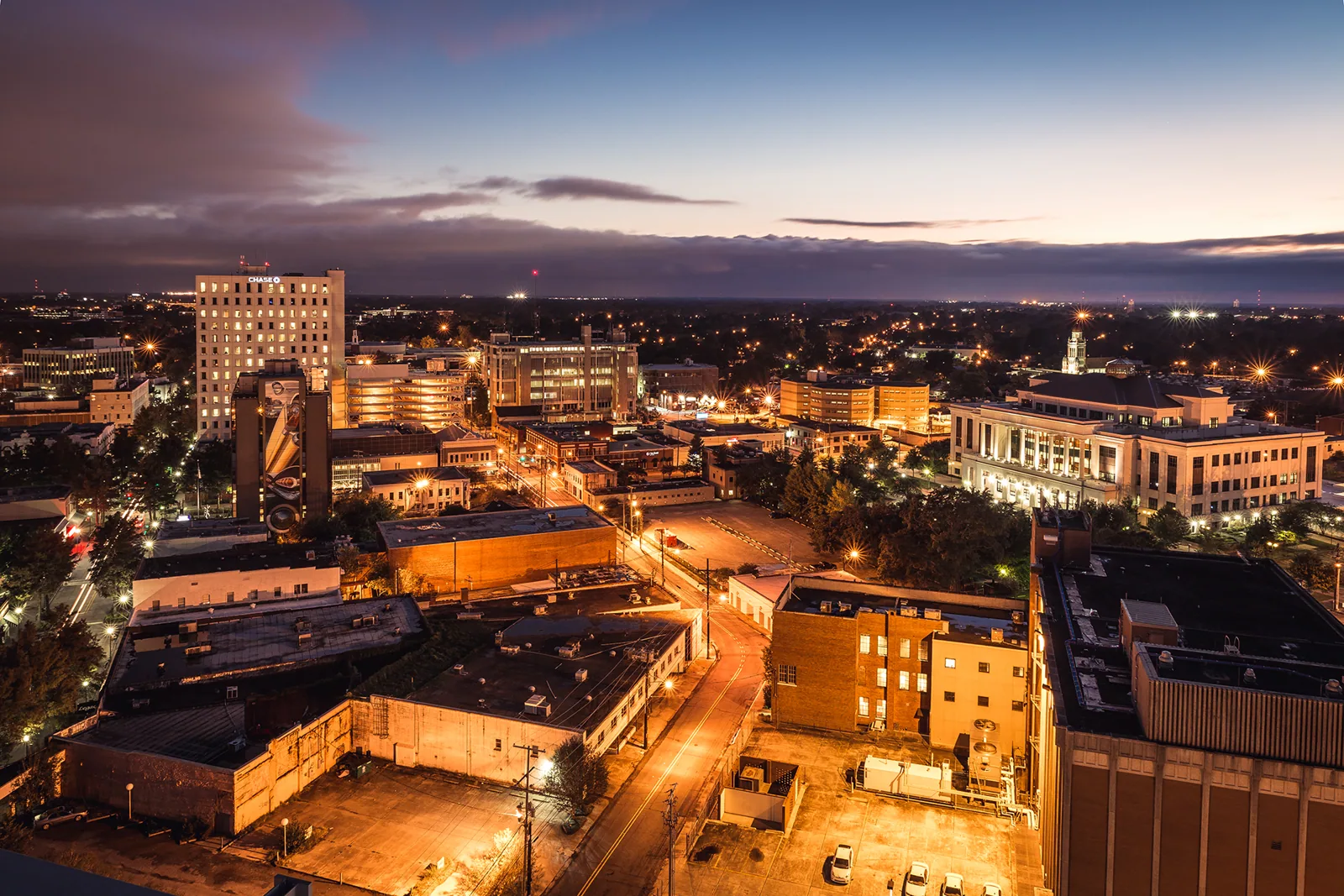
Arrange storm-related roof service in Southpark
After a severe-weather alert, the roof may look intact from the parking area while a seam or edge detail has lifted out of sight. At LEDA Southpark, we begin with the property address and reported condition, then inspect the assembly rather than infer damage from the weather. Southpark is part of LEDA's four business parks in Lafayette Parish. LEDA describes those parks as support for commercial and industrial development and job retention. That role makes a clear repair plan useful to the businesses operating there.
We check membrane edges, seams, drains, penetrations, and any metal displaced by wind or service activity. Lafayette Parish coordinates hurricane preparedness, and the market also experiences heavy rain and heat. Those conditions make prompt documentation useful, but an inspection must establish what happened at a specific roof. Our storm damage roof service starts with visible evidence and a work boundary.
Document the roof before debris is moved
Loose metal, punctures, open seams, and debris can change how water reaches the building. We photograph the affected area before removing material when it is safe to do so. The pictures should show the detail, a nearby reference, and any interior report that helps locate the roof zone. We note what is visible and what still needs a closer look. A weather event can prompt the visit, but it does not prove a roof failure.
Lafayette Parish's hurricane-season guidance calls on local businesses to prepare for tropical weather. For Southpark, we inspect the roof for loose edge metal, split flashing, open seams, and water entry, then record any conditions that may need attention before a storm. If the owner is documenting an insurance claim, we can provide photos and a factual description of observed conditions through roof claim documentation.
For urgent protection, we assess safe access and whether a temporary cover can limit entry. We explain what the cover protects and what remains open. Permanent work may wait until the roof is dry enough for proper preparation or until a material can be matched. The visit record should distinguish temporary stabilization from completed repairs.
Check drainage after a hard rain
Water standing near a drain can signal debris, a slow outlet, or a low area in the roof. We inspect the bowl, overflow, membrane tie-in, and nearby slope. A blocked inlet is not the same repair as a split seam, even when both are close to a ceiling stain. We compare the water path with interior reports and follow it across the roof before recommending work.
Airport normals for Lafayette show a yearly rainfall average of 60.50 inches; the June average is 7.08 inches. We use those city-wide readings to frame seasonal drainage checks, then inspect the outlet at the property. If insulation is wet, we map the area before closing the roof. Drain and scupper repair can address a damaged connection when the inspection confirms it.
Hurricane preparation also includes knowing which roof areas are already vulnerable. We can record prior patches, loose flashing, rusted fasteners, and access limits before the next storm season. That record is not a prediction of storm performance. It gives the property contact a current list of observed conditions and repair priorities.
Protect business activity during the response
Even urgent roof work needs a safe route to the work area. We confirm who can open the building, where the crew can stage, and whether people or equipment below need protection. If water is entering a work area, the property contact can help isolate it while we assess the roof. We identify whether a repair can happen during normal activity or needs a different access window.
A tarp or temporary seal may slow additional water, but it does not replace a compatible permanent repair. We identify the affected section and explain what must dry or be removed before restoration. When conditions allow, a localized patch may close a small opening. Broader damage, wet insulation, or compromised attachment may require removal and replacement over a larger area.
LEDA's other named business parks include Northpark and Industrial Park. They have their own roof histories and access requirements. At Southpark, we schedule from the actual tenant operation, roof condition, and safe staging available at the address.
Set a repair that reaches sound material
Wind can expose weak terminations, while hail or dropped equipment can puncture a membrane. We inspect the field sheet, laps, curb corners, and roof perimeter to see whether one visible mark connects to a wider failure. A sound area around a small puncture may support a focused patch. If the membrane is brittle or insulation is wet, the work may need to extend to dry, secure layers.
We identify the material before using a repair method. Thermoplastic sheet, EPDM, modified bitumen, metal, and coating each have different preparation and tie-in requirements. At an edge, we check fasteners and laps along with the membrane termination. A damaged perimeter may need more than sealant over a lifted corner. Wind damage repair and hail damage work are scoped from the details found at the roof.
If damage repeats in several areas, we mark each point and compare the combined scope with the roof's age and condition as observed. A section replacement or full reroof review may be more practical than repeated emergency calls. Replacement planning can consider removal, insulation, drainage, and operating constraints alongside the repair alternatives.
Keep the storm response record complete
We record the report date, roof zone, visible condition, temporary protection, and permanent work completed. Photographs show the detail before and after service when conditions permit. If an area remained inaccessible or wet, we list it for follow-up. For an insurance file, the notes should distinguish observed damage from an open question and avoid assigning a cause that inspection cannot support.
Lafayette's commercial standards cite the 2021 edition of the International Building Code, with select chapters excluded. Existing-building work is referenced to the separate 2021 International Existing Building Code. Project review still depends on scope. We can describe the roofing assembly and repair approach; the owner or design team confirms project approvals. Our condition reporting can preserve current photographs and recommended next actions.
To request a Southpark inspection, share the address, the reported leak or damage, and any access limits. We can check the roof, discuss interim measures where needed, and prepare a scope based on visible conditions. If water is entering now, call to arrange a safe response without delaying basic protection.
Questions About LEDA Southpark
Does a regional storm report prove my Southpark roof was damaged?
No. A storm record gives regional context, while the roof inspection establishes site conditions. We look for punctures, displaced metal, open seams, and water entry, then document what is confirmed.
What should happen before temporary protection is installed?
We confirm safe access, the affected zone, and what lies below it. Temporary protection can limit entry, but we explain its coverage and the permanent work still needed.
Can a leak be repaired before the roof is fully dry?
Some temporary measures may be possible, but permanent materials need suitable surface conditions. We explain what can be done on the first visit and what must wait for preparation.
How do you support an insurance claim after roof damage?
We provide a description of visible conditions, photographs, and work performed. The report separates confirmed findings from questions that need more inspection and does not promise a coverage decision.
When is storm damage too broad for a local patch?
Several failed areas, wet insulation, loose attachment, or recurring entry can support a wider review. We map the defects and compare localized work with section replacement or reroof options.