
Manufacturing Plant Roofing in Lafayette, LA
Home / Property Types We Roof / Manufacturing Plant Roofing
Talk With Our Lafayette Team
Share the production constraints, roof history and any recent equipment changes. We will inspect the affected area, identify coordination needs and outline a repair or replacement plan.
Call 555-555-5555
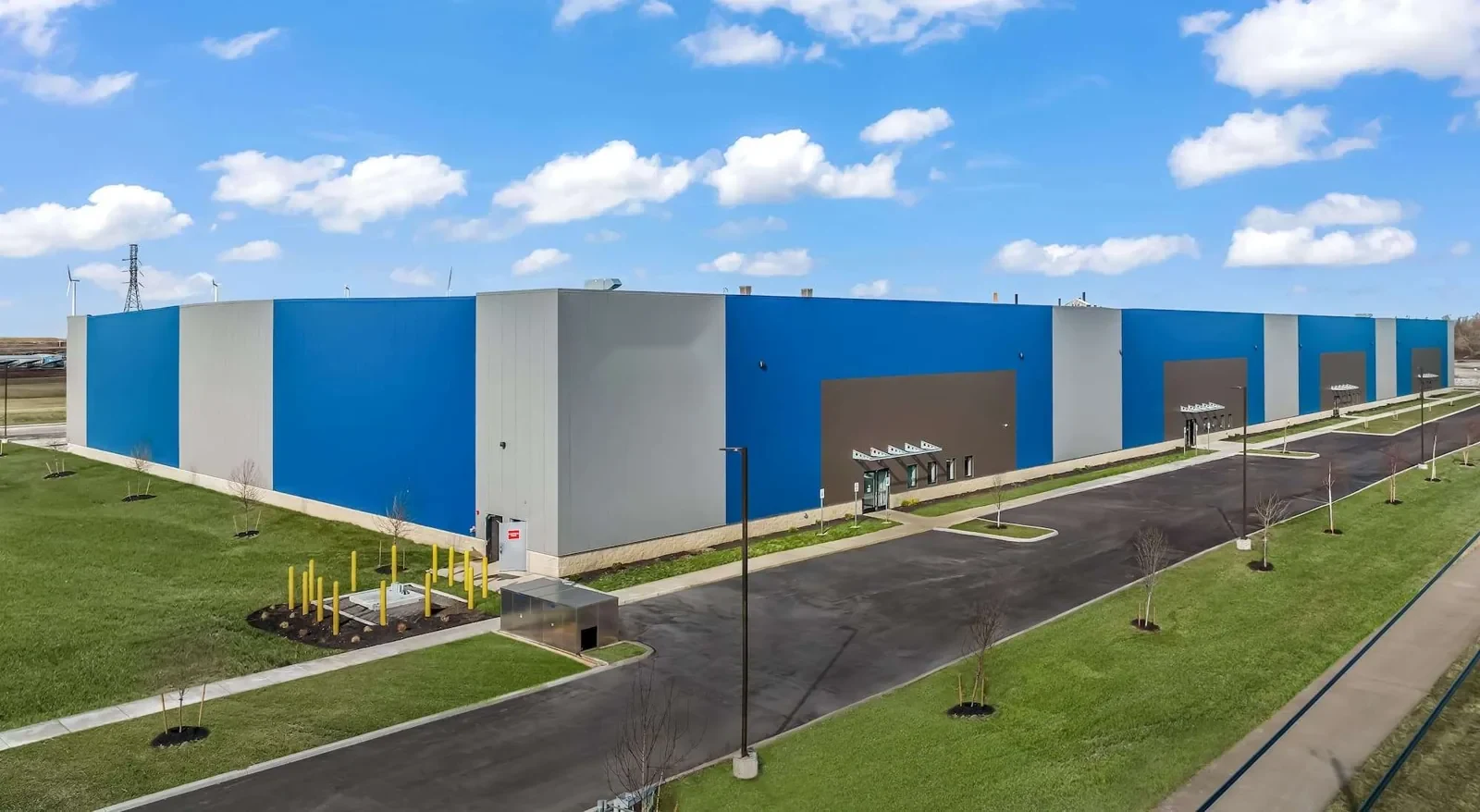
Review the roof before the next shutdown
A new exhaust line can leave an old roof detail in the wrong place. The same is true after a fan, conduit or support is changed. We inspect the membrane or metal, trace the water path and review nearby equipment before setting repair limits. Production schedules and site controls matter, but the roof still decides what work is needed.
Manufacturing and energy services are part of Lafayette Parish's employer mix. St. Martinville's economy includes sugar processing and food manufacturing, while Broussard's US 90 corridor carries oil, gas, maintenance and production businesses. Those local facts show varied operating uses. We inspect each plant and ask about its roof exposure before recommending materials.
Map roof conditions near the process
Process exhaust, warm air, dust, oils or chemical discharge may affect the roof near a vent. We ask what is released, where it exits and whether the owner has compatibility information. A membrane that appears sound from a distance can change near a discharge point. We inspect the surface, seam, curb and drainage area, then identify any review that needs the product manufacturer or design team.
Equipment changes also create new openings. We compare current curbs and penetrations with available roof records and ask whether maintenance work has moved a unit. A patch around an abandoned pipe may conceal a second opening. We document the active service route and do not assume a detail remains unchanged because the equipment is still running.
If a line must be shut down for access, the facility contact sets the timing. The roofing scope identifies when a roof area can be reached and whether other trades must isolate equipment. We do not operate plant machinery or modify process systems.
Coordinate access and plant controls
Manufacturing sites may have controlled entry, vehicle routes, clean zones, hot-work permits or required briefings. The plant's safety representative sets those rules. We collect the instructions before scheduling, confirm the roof access route and identify which spaces below need protection. A project plan is useful only when it matches the site's actual operating procedures.
Material staging should not obstruct production traffic, emergency access or loading. Lifts and debris removal may need a narrow window. We coordinate with the authorized site contact and record the work area. If the plant remains active below, we agree how the crew will protect equipment and close the roof before leaving each shift.
For buildings at Billeaud Properties or in the St. Martinville Industrial Park, access and delivery conditions come from the site. We use those local references to discuss coordination, not to assume what a specific plant produces or which roof it has.
Follow water through the assembly
A leak near a production line can run along a deck before reaching machinery or a finished-goods area. We compare the interior location with roof seams, curbs, walls and drains. Lafayette's airport normals place June precipitation at 7.08 inches, the highest monthly value. We check whether the outlet can handle the route and whether water has been collecting near a process penetration.
Grease, dust and other residue may obscure a seam or block drainage. We inspect the surface carefully and use cleaning methods that suit the roof material. A drain may need clearing, while a recurring low area may need design correction. We identify which issue is present rather than describe every pond as a failed membrane.
Our drain and scupper service can review outlets. If water is active, leak repair can stabilize the affected area. A roof inspection can document conditions across a wider section when one process area is not the only concern.
Choose materials for the plant conditions
We identify whether the roof is single-ply, built-up, modified bitumen, metal or another system. Compatibility matters because weld methods, adhesives, coatings and flashings differ. The building's use, roof traffic, exhaust, insulation and support structure guide the comparison. We review project specifications and available product data before proposing a repair.
For low-slope areas, PVC roofing or TPO roofing may be considered when the exposure and assembly fit. Exposed-fastener panels may call for a metal roof retrofit instead. A flex-industrial roof assessment can address a building that combines production and storage; a warehouse roof review can focus on inventory and dock use.
Material recommendations remain tied to the actual plant. We do not infer a chemical exposure, roof type or structural capacity from the business name. When those details affect system choice, we ask the owner or design team for the relevant information.
Keep the production plan visible
Large plants may have several roof areas with different maintenance histories. We label each zone and separate urgent leak control from later restoration or replacement. If a production line cannot stop, we can plan roofing phases around approved windows, provided each exposed area can be made weather-tight and safe. The owner sets any process restrictions.
Removal can uncover wet insulation, deck deterioration or a previous patch layer. We stop at a safe point, document what changed and request direction through the agreed project contact. This matters when an unexpected opening could affect a production area. The proposal should explain how concealed conditions are priced and approved.
A phased reroof plan can address work zones and building operations. For broader planning, commercial replacement can consider insulation, curbs, roof edges, drains and new tie-ins together. We report likely disruptions before mobilizing.
Record equipment and repair changes
Plant roofs change as equipment is added, moved or retired. A roof file should show current penetrations, support locations, repair materials and areas that collect debris. Photos should identify the roof zone and nearby equipment without exposing restricted process information. The facility decides what images and records may leave the site.
LEDA's employer list includes manufacturers alongside logistics, healthcare, energy services and technology firms. That mix can mean facilities teams oversee different building types across the parish. A photo-backed condition report can keep repair priorities and open questions clear. If a new service line changes roof access, update the record.
Call when a penetration opens, corrosion spreads or water threatens an active area. We will inspect the roof detail, coordinate site access and explain whether a focused repair or wider project is appropriate. Emergency response is available after hours, on weekends and holidays when water is entering the plant.
Questions About Manufacturing Plant Roofing
Can roofing work happen while a production line is operating?
Often, if the site approves the access, noise, staging and protection plan. The plant contact sets process limits and work windows. We sequence the roof area around those controls and close exposed work at the end of the shift.
How should we handle a new process vent through the roof?
Coordinate the vent location and roofing detail before installation. We can review the membrane transition while the process contractor handles ductwork and equipment. The selected material must suit the documented discharge.
What if the roof smells of oil or chemical residue?
Tell us what substance is used and where it exits. We inspect the affected surface and seek product compatibility information before proposing a repair. The material name alone does not establish exposure suitability.
Can you repair around operating equipment?
We can work around equipment when access and safety controls permit. If a unit must be disconnected or moved, the qualified mechanical trade handles that work. We coordinate the roofing detail and protection plan.
How do you manage hidden deck damage?
The crew records the opening and affected area, secures the roof and follows the approved change process. The authorized plant contact reviews the condition before additional work proceeds.