
Commercial Roof Replacement in Lafayette, LA
Home / Commercial Roofing Services / Commercial Roof Replacement
Talk With Our Lafayette Team
Share the roof history and the areas that keep demanding attention. We can inspect the assembly, document the findings, and lay out a practical next step for your Lafayette building.
Call 555-555-5555
Get a clear replacement assessment
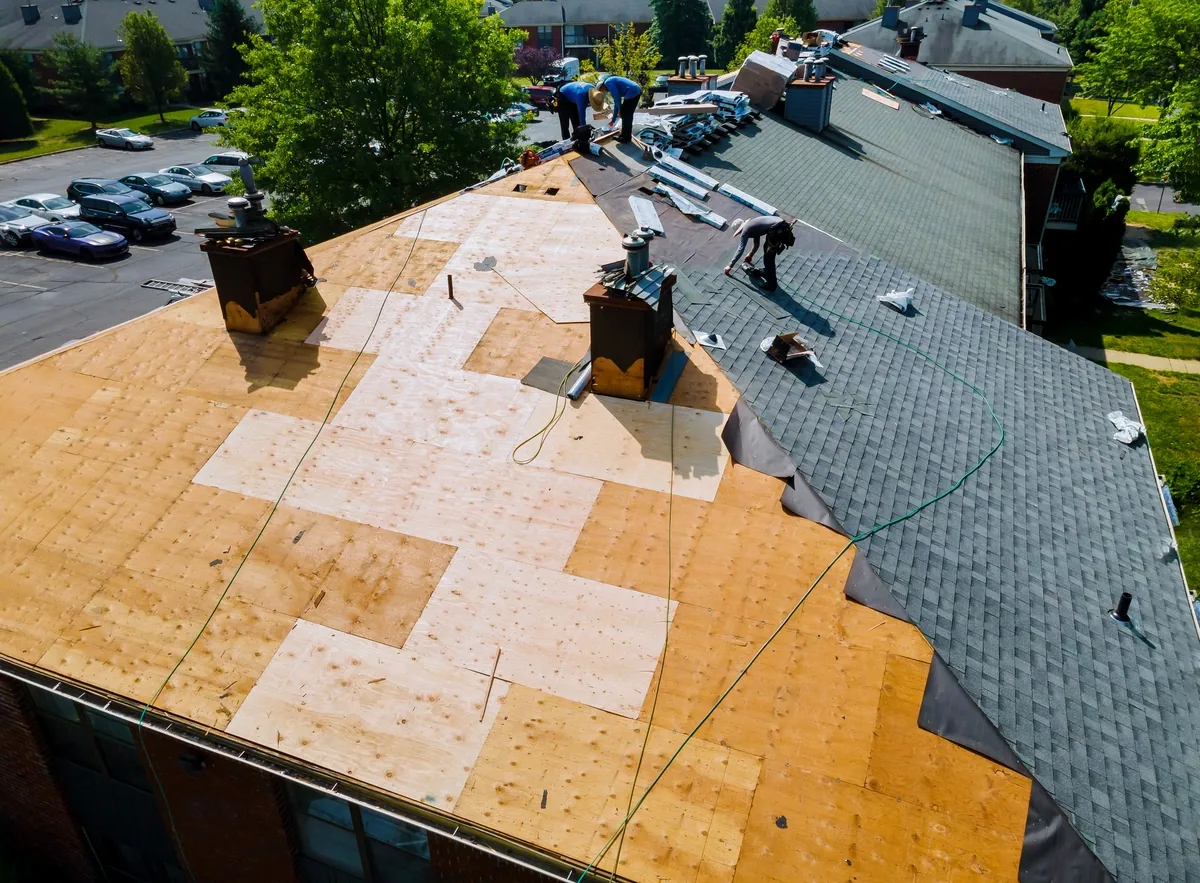
A roof replacement becomes a real decision when repairs keep returning, wet material spreads, or the roof no longer gives you a dependable repair window. In Lafayette, LA, summer heat and heavy rain put ordinary details under repeat pressure. We look at the membrane, insulation, seams, edges, drains, and rooftop equipment before recommending a tear-off. The goal is a roof plan you can weigh against building use, not a material choice made from a surface glance.
On a medical campus such as Our Lady of Lourdes, access and interior activity matter alongside the roof assembly. The same is true for a busy commercial property near the Johnston Street-Louisiana Avenue corridor or Ambassador Caffery Parkway. We document what is failing, what still has service life, and where water has traveled. That review may support a full replacement, a focused repair, or a recover if the existing assembly qualifies. A planned repair remains a real option when the findings support it.
Read the roof before choosing a system
A replacement scope starts with visible conditions and the roof history you can provide. We check field seams, penetrations, flashing transitions, edge securement, drainage paths, and past repair areas. Blisters, open laps, loose metal, soft insulation, or recurring interior marks each point toward a different question. A stain near a drain does not prove the drain caused it. We trace the path and note whether water appears to be entering at a seam, curb, wall, or another detail.
Where moisture is suspected below the membrane, infrared imaging or selective core cuts can help map the affected area. The result matters because wet insulation can hold water against the deck and compromise the new assembly if left in place. We pair photos with written findings, then separate confirmed conditions from items that need closer testing. For a roof with scattered defects, a photo-backed condition report can help organize repair and capital decisions without assuming every section needs the same work.
Choose the replacement assembly
Once the deck and insulation condition are understood, we compare systems that fit the building and its use. TPO, PVC, EPDM, KEE, modified bitumen, built-up roofing, standing seam metal, and retrofit metal each bring different seam methods and detail requirements. Traffic, rooftop equipment, drainage, substrate, and future access affect the choice. A low-slope office roof near Downtown Lafayette may call for a different assembly than a metal roof over an industrial operation. The existing roof is evidence, not an automatic instruction to repeat its material.
Insulation and cover board are part of the decision, too. A tear-off can expose deck conditions that were not visible during the first review. We check attachment needs, transitions, edge details, and how new work meets walls and curbs. The written scope identifies which layers come off, what stays, and what conditions could change after opening the roof. If a recover is feasible, we compare that path separately through an overlay assessment, including code limits and moisture findings.
Keep the building working during the work
Phasing changes the experience for tenants and staff. We divide the roof into workable areas, agree on daily protection, and coordinate noisy or access-sensitive tasks around building operations. At an occupied property, staging, deliveries, lifts, and temporary closures need to be discussed before tear-off begins. We keep an eye on the forecast because an open roof needs a secure daily stopping point. Rain planning includes temporary dry-in, material protection, and a clear handoff before crews leave.
The Johnston Street-Louisiana Avenue corridor is a useful local reminder that access and movement can shape a project. The city describes that route as connecting businesses, schools, UL Lafayette, Moncus Park, and other destinations while addressing drainage, safety, and congestion. A replacement schedule near an active corridor needs practical delivery and parking coordination. We set phases with the property contact, then update them when field conditions change. For occupied properties, a phased reroof plan can reduce disruption while preserving safe access.
Account for Lafayette rain and heat
Water management deserves close attention in a warm, humid market. Lafayette Regional Airport climate normals record about 60.5 inches of annual precipitation, with June averaging about 7.08 inches. Those figures do not predict a project day, but they explain why drainage and temporary protection deserve room in the plan. We check drain bowls, scuppers, overflow routes, slope, and low points, then note any correction that belongs in the replacement scope. A new membrane cannot fix a blocked or poorly directed water path by itself.
Heat adds another practical constraint. The same climate record lists July and August average highs above 92 degrees. Crew sequencing, adhesive or welding conditions, and material storage all need to follow the system requirements and current site conditions. A sound plan keeps materials protected and avoids leaving exposed work when weather shifts. Lafayette has also recorded severe hail and tornado events in the region; after storm damage, we distinguish impact evidence from older wear before setting the scope. A hail-related roof review can document that distinction.
Put the decision in writing
A useful proposal states the work area, removal depth, substrate assumptions, insulation plan, membrane system, flashing details, edge work, drainage corrections, and closeout records. It also identifies allowances or concealed conditions that may change once the roof is opened. That language helps an owner compare scopes that use different materials or include different detail work. We explain the practical effect of each option in plain terms, including where a repair may be adequate and where repeated failures make replacement more sensible.
For a portfolio owner with several properties, a written record supports future budgeting. River Ranch includes office and retail property alongside grocery, restaurant, healthcare, banking, and professional tenants. That mix illustrates why one roof strategy may not fit every property in a portfolio. We can log roof sections, observed conditions, repair history, and next steps in a format that supports longer-range roof planning. If water is active before replacement, around-the-clock emergency response is available, including weekends and holidays, to protect the building while the permanent scope is prepared.
Questions About Commercial Roof Replacement
How do you decide whether a roof needs full replacement or more repair?
The decision follows the extent of failed material, moisture below the membrane, deck condition, and the pattern of repeat repairs. We map defects and test suspected wet areas before comparing options. A few isolated details may justify repair. Widespread wet insulation or failures across multiple roof sections can make a full replacement more practical. The written findings show what supports each path.
Can tenants stay in the building during a commercial reroof?
Most occupied projects can be phased, but the plan must fit the building. We coordinate access, deliveries, noise-sensitive areas, daily dry-in, and any temporary closures with the property contact. A clinic near Ambassador Caffery Parkway has different circulation needs from a warehouse near an industrial park. We set work zones and communication before the roof is opened.
What happens if the crew finds wet insulation after tear-off starts?
A concealed condition gets photographed and measured before the scope changes. We identify the affected area, check the deck, and explain the added removal or replacement needed to leave a sound assembly. Lafayette rain makes daily dry-in important, so the crew protects the exposed section while the owner reviews the finding. The contract should describe how those decisions are documented.
How do you schedule replacement work during Lafayette's rainy season?
We plan manageable sections, watch current forecasts, and define a secure stopping point for each shift. Long-range climate records show substantial annual rainfall, but they cannot call the weather for a workday. The job plan instead gives each exposed area a dry-in method and assigns time for drainage and detail checks before a section is closed.