
Commercial Roofing in LEDA Industrial Park, Lafayette, LA
Home / Service Areas / LEDA Industrial Park
Talk With Our Lafayette Team
Share the property address, reported leak, and access limits. We can inspect the roof and explain a repair scope based on what is present.
Call 555-555-5555
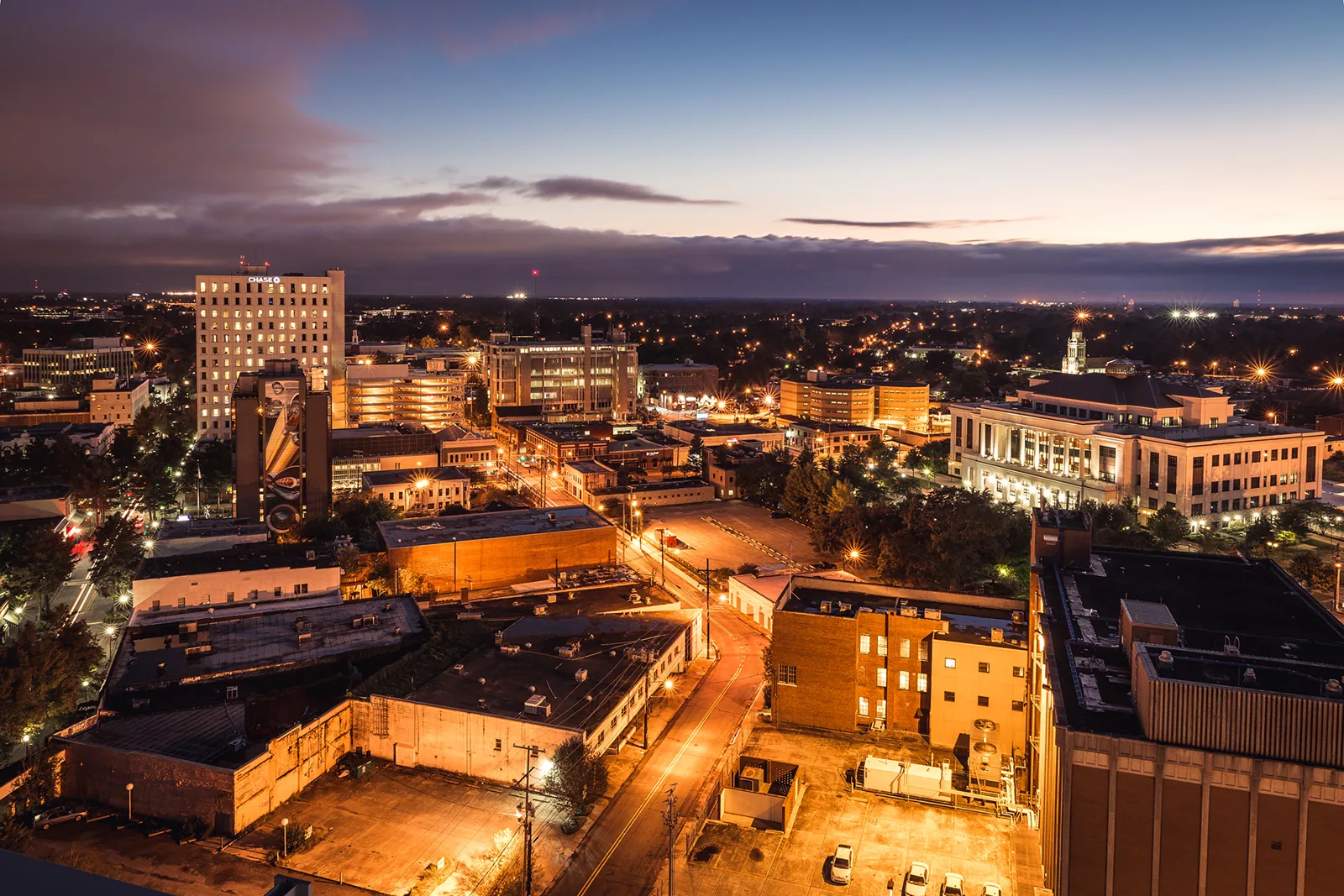
Arrange a roof inspection at LEDA Industrial Park
A drip over stored inventory or a damp ceiling near production equipment can put an industrial workday on hold. LEDA Industrial Park is one of four business parks managed by the Lafayette Economic Development Authority across the parish. The organization describes the parks as support for industrial and commercial development, recruitment, and job retention. That tells us the site serves working businesses; it does not tell us what roof sits above any address. We inspect the actual assembly and reported area before setting a repair boundary.
On the first visit, we check the roof edge, drains, seams, equipment transitions, and any patch already in place. Lafayette's heat and heavy rain make surface condition and runoff worth reviewing, while the roof history determines what repair is suitable. Our commercial roof inspection documents visible conditions, access limits, and questions that may need testing.
Follow the leak back through the roof
A ceiling mark is one clue. Water can move along insulation joints or deck ribs before it reaches an occupied room. We compare the report with the roof area above it, then trace nearby seams, drains, pipe flashings, curbs, and perimeter details. A line of sediment can show where water has stood. A lifted patch or open lap may point to entry, but we check the layers before calling it the source.
Lafayette Regional Airport's climate records show 60.50 inches of average yearly precipitation, with a June average of 7.08 inches. That June average makes the drain path an important part of a roof review at this Lafayette location. We inspect the inlet and overflow separately, look for debris or slow runoff, and note whether a low area remains wet after nearby surfaces dry.
If insulation feels soft or a membrane has separated, a surface patch may not be enough. We map the wet area, discuss a selective opening when it could change the scope, and explain how the repair will connect to dry material. Drain and scupper repair addresses a confirmed outlet or flashing defect; it is not a substitute for checking the entire water path.
Set access before materials reach the roof
Industrial work has its own movement below the roof. We ask where the affected area sits, what rooms or equipment are underneath, and how the crew can reach the roof without crossing an active operation. The property contact can identify loading times, restricted areas, and a safe place for tools. We confirm whether a lift, ladder, hatch, or other approved route is available before scheduling material delivery.
We do not assume all tenants or buildings at LEDA Industrial Park share the same hours or access. The roof zone and operating schedule set the sequence. If a repair sits above equipment or inventory, we discuss protection below and identify who will verify the area before and after the work. A focused patch may fit a short window; wet insulation or several failed details can call for staged work.
LEDA manages other parish business parks, including Interstate Park and Northpark. Each has its own inspection and access limits. For this location, we record the building address, roof access point, area under repair, and any operating restriction that could affect the service call.
Check transitions that interrupt the membrane
Rooftop equipment, pipes, walls, and edges break up a continuous roof surface. We inspect the membrane where it turns up a curb, meets metal, or passes a penetration. Loose counterflashing, cracked sealant, open welds, or a lifted termination can let water under the sheet. We photograph the detail with enough surrounding context to show how it relates to a drain or seam.
The material matters. A welded thermoplastic seam needs different preparation from an EPDM repair or a metal panel joint. We identify the assembly from records and field conditions before choosing a compatible patch. If a previous coating or recover hides the original layer, we state that limit and explain whether a test opening will answer a useful question. Flashing repair should close the confirmed entry point and tie into sound material.
Fasteners, supports, and equipment work deserve attention too. A recent service date can guide the inspection, but it does not establish cause. We look for a puncture, altered curb, displaced metal, or debris around the reported area. When the roof transition needs attention, curb and support work can be scoped with the membrane repair.
Compare a patch with a broader roof plan
A small opening surrounded by dry, secure material may be repaired locally. Repeated leaks, wet insulation, or widespread seam separation may call for a larger section. We note the roof type, visible damage, removal area, access needs, and any concealed condition that could expand the work. Cost and timing change with roof height, staging, material compatibility, interior protection, weather, and the hours available at the property.
Lafayette's commercial building code lists the 2021 International Building Code, with specified chapters excluded, and the city references the 2021 Existing Building Code for existing work. Code questions for a particular project depend on its scope and applicable review. We can document roof conditions and coordinate the roofing portion; the project team should confirm permitting requirements for its proposed work.
If the roof is broadly worn, commercial replacement planning can compare removal, insulation, drainage, and access needs. A recover may be considered only when the existing assembly is dry and suitable. Our recover evaluation checks those conditions before an overlay enters the options. The recommendation follows the roof findings, not the name of the business park.
Leave a record the next shift can use
After service, we record the building, roof zone, material identified, preparation, repair completed, and any limitation. Photos should pair the detail with a reference point that facilities staff can recognize. If equipment blocked a section or a test remains open, the report says so. A clear record helps the next service call distinguish an old stain from a new leak and shows what changed on the roof.
LEDA's stated role includes supporting business development and job retention through its four parks. Keeping roof observations tied to a specific property helps owners plan around operating needs without treating every building as the same project. Our roof condition report can organize photos, repair notes, and follow-up items. Planned care can revisit drains and prior patches before they become another interruption.
When requesting service at LEDA Industrial Park, share the exact address, affected area, access route, and any previous repair notes. We can inspect accessible details, discuss whether testing would change the repair boundary, and outline the next step. If water is entering now, call to arrange safe access and temporary protection.
Questions About LEDA Industrial Park
Can roof work fit around an active industrial operation?
We coordinate the roof zone, work hours, loading activity, and protection below with the site contact. A small repair may fit a short window. Work that exposes wet insulation or multiple details can need a phased schedule.
How do you confirm whether a drain caused the leak?
We inspect the drain bowl, membrane tie-in, overflow, and nearby slope, then compare those details with the reported interior area. Slow drainage may be a factor, but a seam or curb can be the actual opening.
What if the roof assembly is unclear?
Field details and available records help identify the material. If a recover or coating hides layers, we explain whether a selective opening could affect the repair choice before recommending one.
Will a roof patch require work inside the building?
We check the area below the repair and discuss protection with the property contact. A dry, limited defect may need only roof work. Wet insulation, interior finishes, or active operations can change the sequence.
What should I send before a service visit?
Provide the property address, leak location, roof access instructions, operating limits, and any earlier repair information. Those details help us plan a safe first walk; the inspection confirms the roof condition.