
Wind Damage Roof Repair in Lafayette, LA
Home / Roof Damage Repair / Wind Damage Roof Repair
Talk With Our Lafayette Team
Tell us what moved, where you found water, and when the storm passed. We will inspect the roof, document the conditions, and discuss the repair that fits.
Call 555-555-5555
Schedule a close look at the roof
A loose coping cap can be the first thing noticed after a Lafayette storm. The membrane below it may also have shifted, or a curb corner may have opened where wind pressed against rooftop equipment. Our close look starts at the reported area and follows the roof details that could have moved with it. Storm planning in Lafayette Parish accounts for tropical systems and severe weather. That history makes a careful post-storm inspection useful, but it does not tell us what happened to one particular roof. We record what is visible, check for moisture, and identify the repair window before water reaches ceilings or equipment.
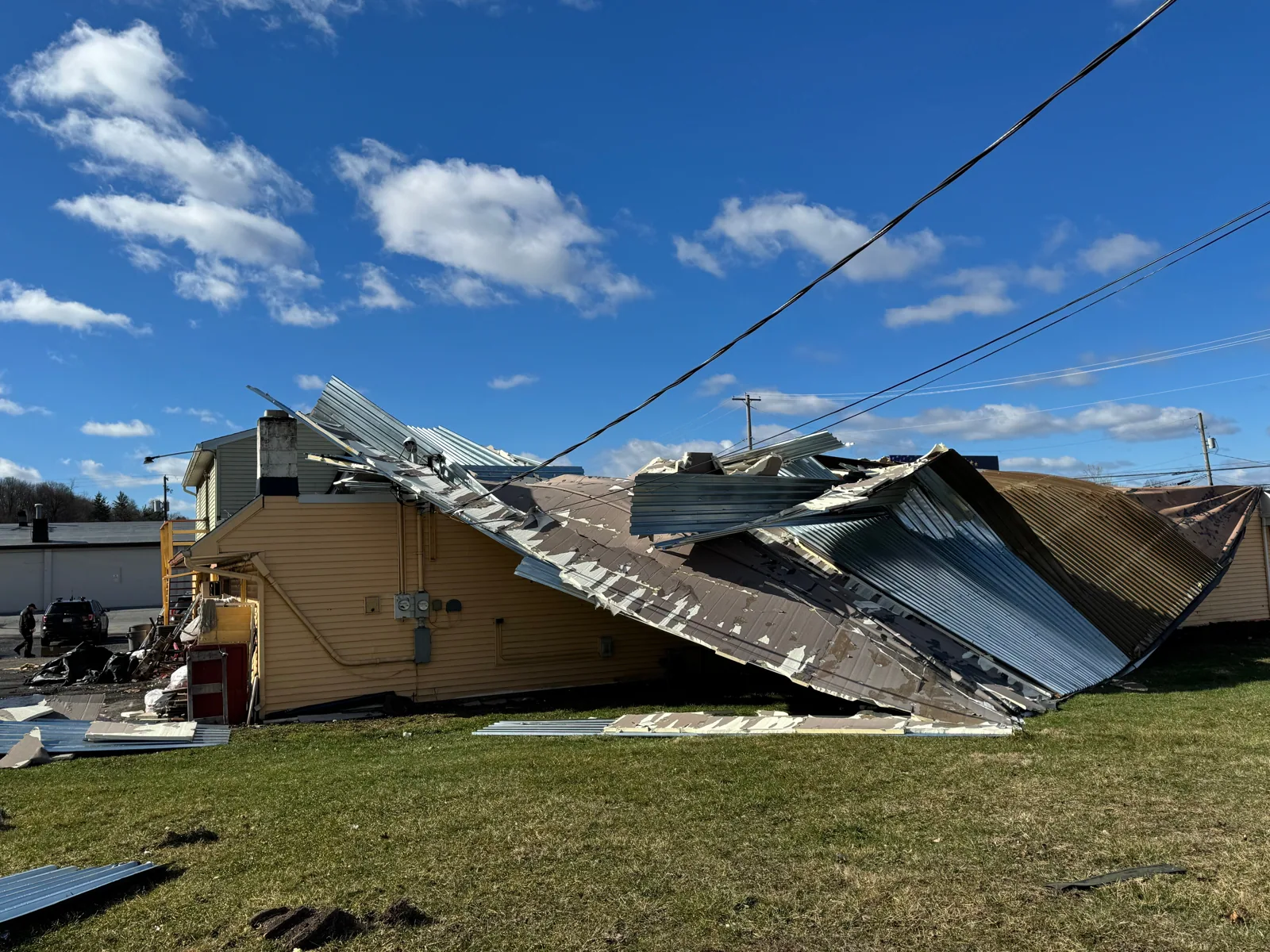
Wind damage is not limited to a peeled membrane. Fasteners can loosen, edge metal can pull away, tree debris can scrape a surface, and pressure can work at seams or penetrations. We photograph each finding, mark the roof area, and separate a secure repair from a section that needs broader attention. The written scope can include a storm damage roof inspection, a commercial roof repair, follow-up work on the affected system, or related hurricane roof damage repairs.
Trace what moved across the roof
Start at the edge, then work inward. A lifted detail may point to loose fasteners, an open termination, or a damaged corner. We check coping, fascia, membrane attachment, field seams, curbs, pipe boots, and rooftop supports. We note branches, displaced accessories, and marks that show where debris traveled. Wide and close photographs give context and show the seam or flashing that needs work.
Inside, we compare new ceiling marks or wet insulation with roof findings above them. Water may travel along a deck flute before it appears in an occupied room. A drone can document hard-to-reach areas; hands-on review confirms details that need probing or a moisture check. We note limits when debris or unsafe conditions block a view.
After rain, an open edge or seam can admit water before anyone sees an interior mark. We tie each repair item to a photographed condition and roof zone.
Check attachment, laps, and roof transitions
The repair must match the assembly. We identify TPO, PVC, EPDM, modified bitumen, built-up, metal, or coating before choosing materials. A thermoplastic patch needs clean membrane and a compatible weld. EPDM calls for its own primer, tape, or flashing detail. Metal panels need sound fasteners, clips, and laps. Older patches or overlays can also affect how new material bonds.
At corners and equipment curbs, we check the flashing bond and substrate. At the perimeter, we inspect the termination that transfers wind load. A visible flap does not define the full scope; attachment damage may extend beyond it. We can pair the repair with edge metal and coping work where that detail has failed.
Choices depend on how far material moved, whether insulation is wet, and whether the surrounding roof remains serviceable. We mark patch limits and explain when a larger section is more practical. The surface must be dry enough to inspect before final limits are set.
Keep an opening from taking on more water
For an active opening, call for emergency service. Our response runs around the clock, including nights, weekends, and holidays. We work to control water entry and protect occupied space. The temporary measure depends on wind, access, electrical hazards, and the material that came loose. Temporary protection limits exposure; it does not replace permanent work or show whether insulation is dry.
Near the Johnston Street-Louisiana Avenue corridor, tenant and vehicle movement may affect lift placement or staging. The city project spans 8.5 miles and links businesses, schools, and UL Lafayette. We plan access around the actual property, then coordinate interior protection and timing with its contact.
After the temporary step, we document the permanent scope. A dry-out, membrane patch, metal reset, or larger replacement may be needed. We can organize photos and a dated record through roof claim documentation. Our report describes observed damage without promising an insurance decision.
Choose the repair window and next step
Welding, adhesives, coatings, and sealants each have surface and temperature requirements. Wet substrates must be addressed before they are covered. Lafayette's humidity can slow drying after rain, while another forecast storm can shorten the work window. We explain what can proceed, what needs dry conditions, and how long temporary protection should remain.
A written commercial roof inspection can separate wind damage from prior wear. A condition report with photographs helps a facilities team compare areas and schedule work. We can mark immediate repairs, watch items, and locations that may need a moisture survey.
Before the visit, identify ceiling leaks, access limits, critical equipment, and tenant hours. We confirm lift placement, debris removal, and who needs updates if the plan shifts. The scope should state its starting point, repair limits, and closeout record.
Leave a clear record of the storm repair
After work, we photograph the repaired area and note its material, seam or edge, and any condition outside the scope. We report whether interior moisture needs another check after rain. If wind exposed a recurring weakness, we show the evidence and suggest a maintenance step. Unrelated wear stays separate from storm findings.
The NWS archive records a Lafayette tornado on January 25, 2004. That history supports preparation, not a conclusion about a current building. Near Downtown Lafayette or the Oil Center, we still identify the assembly, map visible conditions, check the interior where needed, and match the work to the evidence. A hail damage inspection follows the same evidence-first approach but checks for impact marks and punctures. Arrange an inspection or discuss the next repair step. We will start with the condition you can point to.
Wind inspection should trace the roof as a connected assembly: field membrane, seams, perimeter, corners, flashings, and rooftop equipment supports. A loose edge can expose adjacent material, while a displaced item can create a separate penetration concern. Photograph each condition before fastening or removal, then stabilize exposed areas and define permanent repair separately. The final map should show which sections were checked so the owner can distinguish observed damage from uninspected areas.
Questions About Wind Damage Roof Repair
What should we do when wind exposes the roof before a full repair is possible?
Call for a safe temporary measure and describe where water is entering. We will check access, weather, electrical hazards, and the roof surface before choosing a cover or other short-term protection. Then we will document the permanent work needed.
Can a small lifted edge mean damage farther into the roof?
The attachment beneath the visible lift decides how far the repair must reach. We inspect the termination and nearby membrane, then mark the sound material that can hold a lasting patch. A photo alone cannot confirm concealed damage.
Will you tell us whether the storm caused every roof problem we see?
Our report separates conditions that appear consistent with the reported event from existing wear or items needing more review. It records observations, dates, and photos. We do not determine coverage or promise how an insurer will classify a claim.
How do you plan work at an occupied Lafayette property?
We coordinate roof access, staging, interior protection, and noisy work with the building contact. The Johnston Street-Louisiana Avenue route connects many kinds of activity, but each property's entries and tenant hours set the actual plan.
When can a permanent membrane repair begin?
A sound, dry surface and suitable weather set the repair window. We identify whether the material needs heat welding, primer, adhesive, or another compatible detail, then schedule the permanent repair when those conditions are available.