
Cold Storage Roofing in Lafayette, LA
Home / Property Types We Roof / Cold Storage Roofing
Talk With Our Lafayette Team
Tell us where moisture appears, which areas are refrigerated and whether lines or equipment have changed. We will inspect the roof details and plan work around the facility's operating limits.
Call 555-555-5555
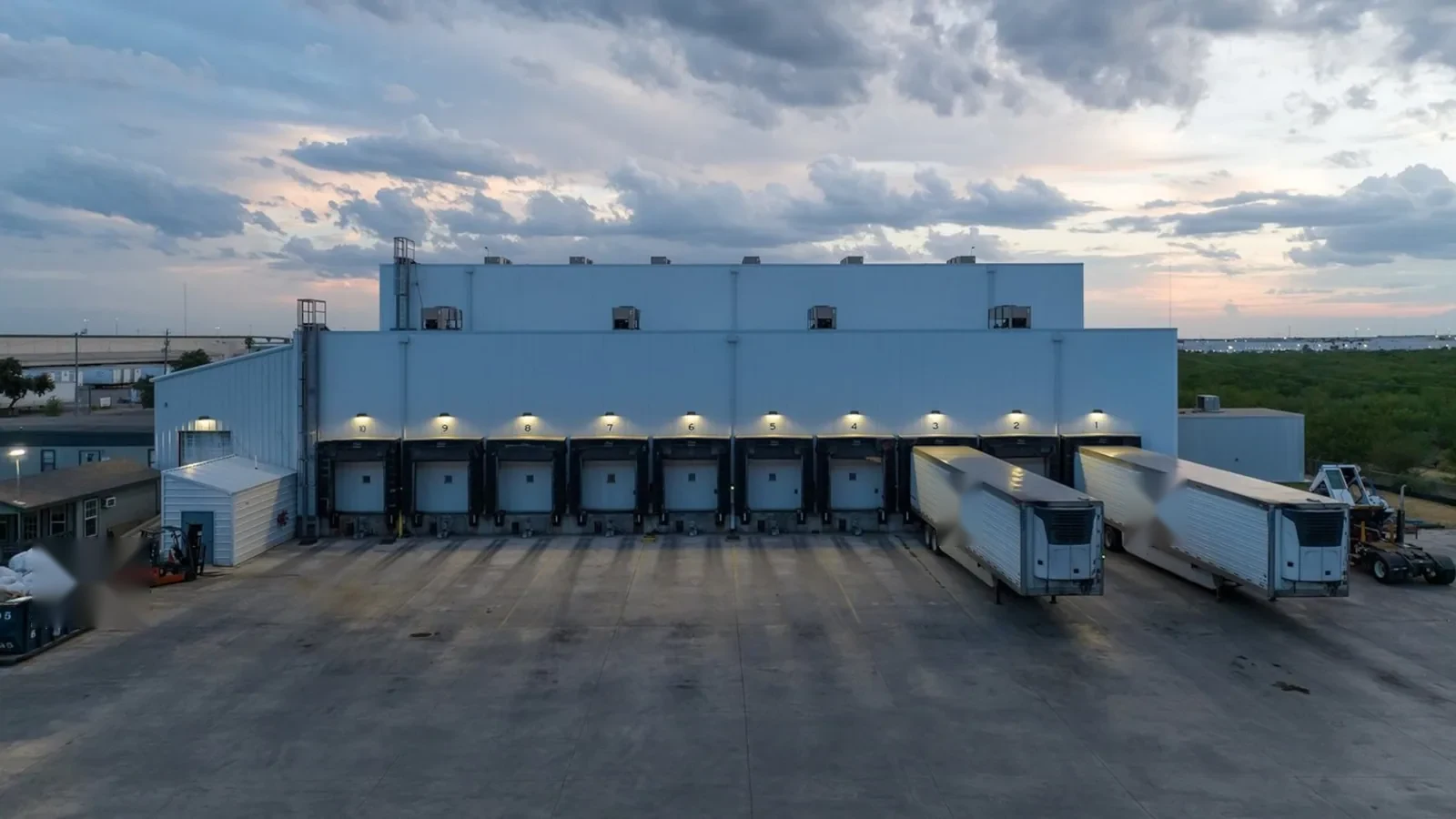
Check the roof and cold-room transition
Condensation at a freezer ceiling can resemble a roof leak. The source might be a vapor-control problem, a cold bridge, an open roof detail or water entering above. We inspect the roof and compare the interior pattern with equipment, joints and drainage before calling it a roofing failure. Temperature control depends on more than the outer membrane.
Lafayette Parish includes food manufacturing, logistics and healthcare employers. St. Martinville Industrial Park is an identified enterprise zone; the city's economy also includes sugar processing and food manufacturing. That local mix makes cold-storage planning relevant, but we inspect the actual building before describing its roof or operating conditions.
Separate roof water from indoor condensation
Cold rooms create temperature differences across ceilings and walls. Moisture may condense where warm, humid air reaches a cold surface or where a vapor retarder is interrupted. A roof opening creates a different path. We inspect the roof membrane, insulation, joints and penetrations, then ask the facility team when moisture appears and which areas are refrigerated.
Interior patterns can help narrow the cause. Condensation may follow thermal bridges or occur near a door, piping route or panel joint. A roof leak may align with a curb, seam or drain, but water can travel before it shows indoors. We document observations and identify where another building-envelope or refrigeration specialist should confirm conditions.
If wet insulation is found, the scope must address it before covering the assembly. A new membrane over saturated material can leave the thermal problem in place. We note what was confirmed, what remains concealed and whether selective openings or testing would clarify the extent.
Inspect joints, penetrations and equipment bases
Refrigeration lines, exhaust, condensers and roof-mounted equipment interrupt the weather surface. We check each curb and pipe boot for movement, loose flashing, open sealant and water staining. A support that has shifted can stress the membrane. If a unit must be moved or disconnected, that work belongs to the qualified mechanical or refrigeration trade.
Panelized cold rooms may meet a separate roof assembly at the exterior. We inspect the junction for gaps, metal cover movement and insulation exposure. The building's air and vapor control layers should be considered with the roof detail. We keep our recommendation within roofing and describe any interface that requires design review.
Our penetration and flashing work can correct roof transitions. A curb and equipment-support inspection can look at bases and adjacent membrane. The refrigeration contractor remains responsible for maintaining the equipment and thermal envelope components within its scope.
Keep drains accessible and clear
Condensate discharge and roof runoff must not be confused. We identify whether water is coming from a roof drain, refrigeration line or exterior surface. June's monthly precipitation normal peaks at 7.08 inches at Eunice. The local wet-season pattern makes drain access and overflow paths important, particularly when roof equipment or piping sits near an outlet.
We check drain bowls, scuppers, gutters and low areas for blockage or standing water. A drain path should remain accessible for maintenance even after equipment is added. If runoff collects beside a cold-room transition, we inspect both the roof and the joint instead of assuming one condition explains the other.
For outlet corrections, drain and scupper service can document cleaning or repair needs. If moisture may be trapped in the roof assembly, an infrared survey may identify areas for follow-up. Results are used with visual evidence and confirmed before a broad repair is defined.
Compare membranes with the temperature boundary
Roof material should fit the deck, insulation, attachment and service conditions. TPO and PVC are single-ply options with different product properties. The design should also account for vapor control, thermal continuity, penetrations and transitions to refrigerated wall panels.
For some existing roof conditions, silicone coating may be considered after confirming the substrate and project limits. Coating does not repair wet insulation or restore a missing vapor barrier. We inspect and document the assembly before presenting a restoration option.
A building used for distribution has different door cycles and loading patterns from a production cold room. The adjacent distribution center and warehouse assessments address those separate uses. Here, roof work must fit refrigeration operations and keep the thermal boundary intact.
Schedule around temperature-sensitive operations
Opening a roof above a cold room can affect temperature control, product handling and equipment schedules. We coordinate the affected area with the facility contact, establish protection below and keep each phase within a secure weather boundary. The owner identifies any inventory or process restrictions and coordinates refrigeration shutdowns if required.
Weather windows matter in Lafayette. Heavy rain can interrupt removal, while humidity and surface moisture affect preparation and adhesion. We review current conditions and the selected system requirements before starting an area. If the roof cannot be closed safely within the planned shift, the work sequence needs to change.
A replacement scope should identify insulation, vapor-control interfaces, roof penetrations, flashing and the connection to cold-room panels. If opening the assembly reveals wet material or damaged deck, we record the finding and wait for approved direction. The project documents should state who can authorize a change and how the product area will be protected in the meantime.
Record thermal and roof observations
A useful service record notes which rooms are refrigerated, where interior moisture appears and which roof detail sits above. We record roof repairs, insulation openings, line changes and drain conditions. Facility staff can then compare future condensation or water marks with the same location and operating conditions.
Our commercial roof inspection can document visible conditions and repair priorities. A follow-up visit can check seams, curbs and outlets after equipment service or severe weather. If another trade alters piping, the site file should show whether the roof flashing was restored.
Call when water or condensation appears above a cold room, or after a new roof penetration is made. We will inspect the roof-side details, ask about operating conditions and explain the next check or repair. Emergency response is available after hours, on weekends and holidays when active water entry threatens stored product.
Temperature-controlled buildings need careful attention to air and vapor control as well as water shedding. At roof openings, transitions, and penetrations, a small discontinuity can affect more than the membrane surface. Document interior conditions that may help locate a concern, then assess the assembly without assuming condensation or a roof leak from appearance alone. Any repair sequence should coordinate access and protection with the facility's operating requirements and preserve insulation continuity where the assembly is opened.
Questions About Cold Storage Roofing
How can we tell a roof leak from condensation?
We compare where and when moisture appears with roof seams, curbs, insulation and cold-room boundaries. The roof inspection can identify an opening or wet material. A refrigeration or envelope specialist may need to confirm a vapor-control issue.
Can a reroof affect freezer temperatures?
Opening the roof can expose the area to weather and change conditions below. We coordinate phases and protection with the facility contact, who sets product and temperature restrictions. The refrigeration team handles equipment operations.
Should wet insulation be covered during a reroof?
Wet material should be identified and addressed in the scope before a new assembly closes it in. We document the area and request direction if the condition differs from the planned removal assumptions.
Can refrigeration piping pass through the roof?
Yes, but the penetration and flashing must suit the roof system and piping layout. We inspect the roof transition and coordinate with the refrigeration contractor for any pipe movement or shutdown.
Does coating solve condensation in a cold room?
A roof coating cannot correct a missing vapor retarder or thermal bridge by itself. We inspect the roof surface and document the symptom, then identify which building-envelope questions need further review.