KEE Roofing in Lafayette, LA
Home / Roof Systems / KEE Roofing
Talk With Our Lafayette Team
Share any available product records and describe the roof exposure. We will inspect seams, transitions and drainage, then explain a repair or system plan for the Lafayette property.
Call 555-555-5555
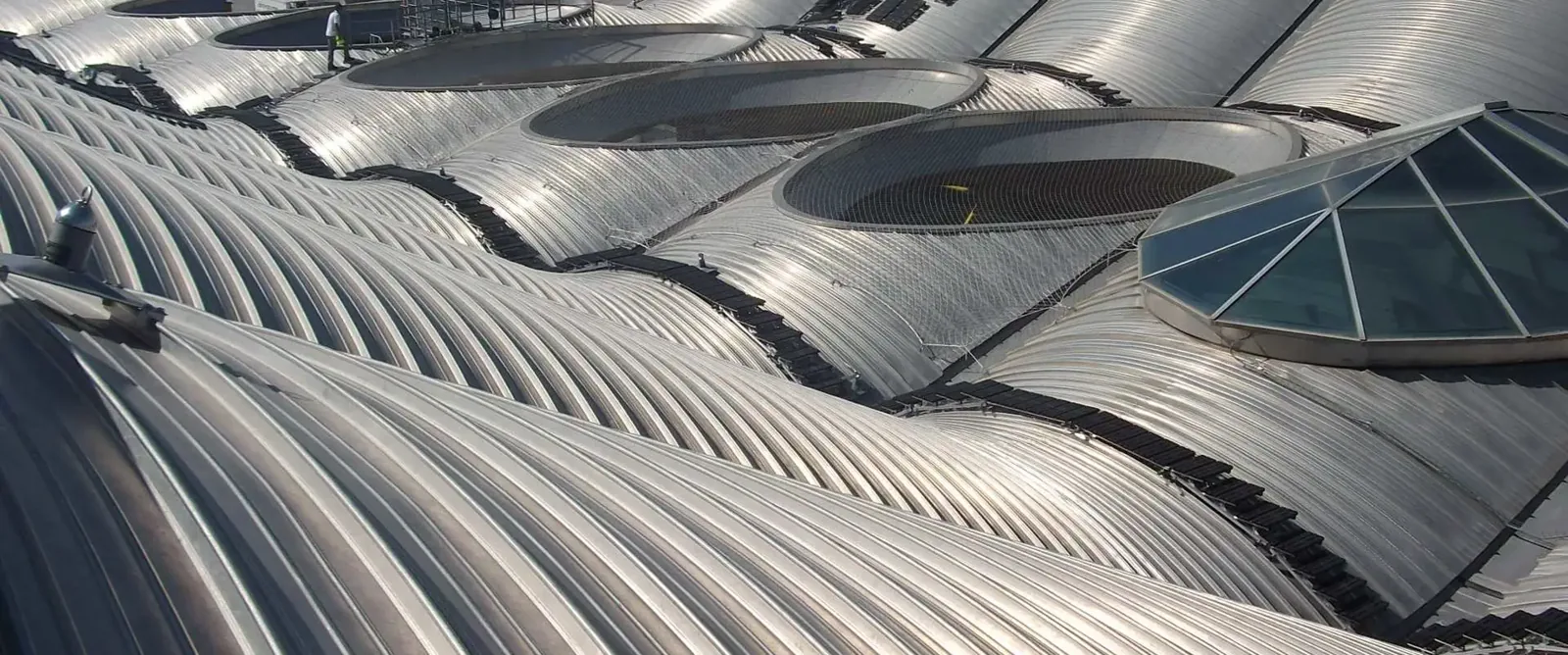
Review the KEE system on your roof
KEE is a modified PVC roofing membrane that may be selected for demanding commercial conditions. The material name alone does not tell whether it fits a particular roof. We inspect the existing assembly, ask about rooftop use and compare the specified product with the details that need protection. Seams, flashings, drains and equipment bases all have to work as one roof.
That close look matters at facilities near UL Lafayette Research Park, along US 90 toward Broussard and around Lafayette's medical districts. Lab, industrial and clinical buildings have different rooftop exposures and access needs. We build the recommendation from the actual structure and its operating conditions.
Confirm the membrane and product
KEE describes a ketone ethylene ester polymer used in PVC-based roof membranes. Product formulations differ, so the exact manufacturer's data and project specification should guide selection. We identify the membrane where possible and record thickness, reinforcement, attachment and prior repair materials. If the roof record is missing, a close inspection may still reveal clues, but product confirmation should come from labels, submittals or other reliable documentation.
Surface appearance is not enough to identify KEE. White thermoplastic sheets can look alike from the roof hatch. We avoid assuming that an existing membrane is KEE without evidence because repair materials and welding procedures depend on the actual system. When uncertain, we note the limitation before proposing a repair.
In Lafayette, warm-season roof exposure and regular rain put attention on seams and drainage. A material discussion should include insulation, deck, edge condition, rooftop equipment and the building's maintenance pattern. The membrane is one layer in an assembly, not a stand-alone answer to every roof problem.
Match the material to the exposure
A KEE/PVC formulation may be considered where the building's operations involve grease, chemicals or frequent rooftop service. Suitability depends on the specific substance, concentration and product formulation. We ask the owner what reaches the roof, where it discharges and whether the surface has changed. A broad label such as chemical resistance does not replace compatibility review for the actual exposure.
Our inspection looks for residue, discoloration, softening, cracks, open seams and damage near exhaust fans or process equipment. We note the route of discharge and nearby flashing. If the roof carries a kitchen exhaust, the owner should share cleaning practices and service history. A mechanical contractor remains responsible for the exhaust equipment; our scope addresses the roofing around it.
Properties tied to Lafayette's US 90 corridor support energy, maintenance and production businesses. The corridor continues through Broussard toward I-10. That local context suggests varied rooftop equipment, but it does not establish any one building's chemical exposure. We inspect the property and request process details before recommending a membrane.
Check welds, corners and penetrations
Thermoplastic sheets use hot-air welded seams. On a KEE roof, we inspect lap edges, patches, corners, wall terminations and equipment curbs. A lifted edge may come from contamination, movement or a poorly prepared surface. We test suspect welds where practical and check whether damage extends beyond the first visible opening.
Transitions often have several pieces working together. A curb corner, pipe boot or wall termination needs a secure tie-in to the field membrane. If another trade has moved equipment or opened the roof, we ask what changed. We identify a condition that requires mechanical or electrical coordination before roofing work proceeds.
If a roof opening has reached the interior, we follow water evidence rather than assume the nearest seam is responsible. A flashing and penetration repair can address an isolated transition. For recurring moisture, moisture survey work may help mark areas for further confirmation before broad repair limits are set.
Review runoff and ponding
Lafayette Regional Airport's long-term record puts June precipitation at 7.08 inches, the highest monthly normal in the table. That seasonal water load makes roof drainage a useful part of a KEE inspection. We look at drain bowls, scuppers, overflow routes, low spots and areas where equipment has changed the path. A clear membrane does not mean the roof drains correctly.
Ponding can follow a blocked outlet, a settlement, an insulation seam or an original slope condition. We record whether the water has a route to the drain and whether the outlet is clear. If slope correction is needed, a patch or coating will not create it by itself. The scope should address the source of the standing water and the membrane details affected by it.
Commercial properties near Ambassador Caffery Parkway and the Sugarland Business Park have different site layouts, even within the same market. We inspect each roof's actual outlets, surrounding equipment and access rather than rely on an area-wide assumption. A drain and scupper service can document specific outlet concerns.
Choose between repair and replacement
A repair can suit an isolated puncture or failed weld when the surrounding membrane is sound and compatible materials are known. We clean and prepare the area, install the approved detail and check the finished tie-in. Repair limits should reach sound membrane, not stop at the visible stain or tear.
Widespread seam problems, loss of flexibility, wet insulation or deck damage can shift the decision to a larger project. We describe how far the condition extends and what remains uncertain. If the roof is a candidate for another system, we compare PVC roofing or TPO roofing only after reviewing the building, exposure and project requirements.
When a new assembly is warranted, commercial replacement work can address membrane, insulation, edges, drains and penetrations together. We document removal assumptions and what should happen if concealed damage appears. For a contained leak, commercial leak repair can stabilize the issue while the permanent plan is developed.
Keep the roof history current
After work, a dated roof record helps the next service visit locate repairs, monitor seams and see whether a new detail has changed. We can record membrane identification, repair materials, equipment bases and drainage observations. The owner can add contractor visits or process changes to keep the file useful.
UL Lafayette Research Park includes laboratories, offices, testing and consulting operations, an immersive visualization complex and a technology incubator. A campus with varied building uses benefits from clear roof-area labels and access notes. That fact does not establish KEE on any building there. It illustrates why records should identify the actual structure, system and observed condition.
A photo-backed condition report can help a property team distinguish a recurring defect from a new issue. Call when a seam lifts, a surface changes near equipment or ponding returns. We will inspect the membrane and explain which next step the roof evidence supports.
Questions About KEE Roofing
What does KEE mean on a roofing specification?
KEE refers to a ketone ethylene ester polymer used in PVC-based roof membranes. The exact formulation varies by product. We check the project specification and product data before identifying the material or selecting repair products.
Is KEE roofing suitable near kitchen exhaust?
It may be considered, but the exhaust discharge and selected formulation need compatibility review. We inspect the roof surface and ask about operating conditions before recommending a system or repair.
Can a KEE membrane be repaired with ordinary PVC patch material?
Do not assume so. The existing product, repair method and manufacturer requirements determine compatibility. We identify the membrane where possible and use an appropriate detail for the specified system.
What causes a KEE seam to lift?
Contamination, movement, poor preparation or age can affect a weld. We inspect the full lap and nearby transitions, then check whether a localized repair can bond to sound sheet.
When does a KEE roof need replacement?
A wider project may be appropriate when seam failures repeat, moisture is extensive or the substrate is compromised. We document the area involved and compare repair boundaries with replacement scope.