Commercial Roofing for Manufacturers in Lafayette, LA
Home / Industries We Serve / Manufacturers
Talk With Our Lafayette Team
Share the facility access rules, affected line or bay and recent equipment work. We can inspect the roof, coordinate around production and document the repair or capital options.
Call 555-555-5555
Review a Lafayette manufacturing roof
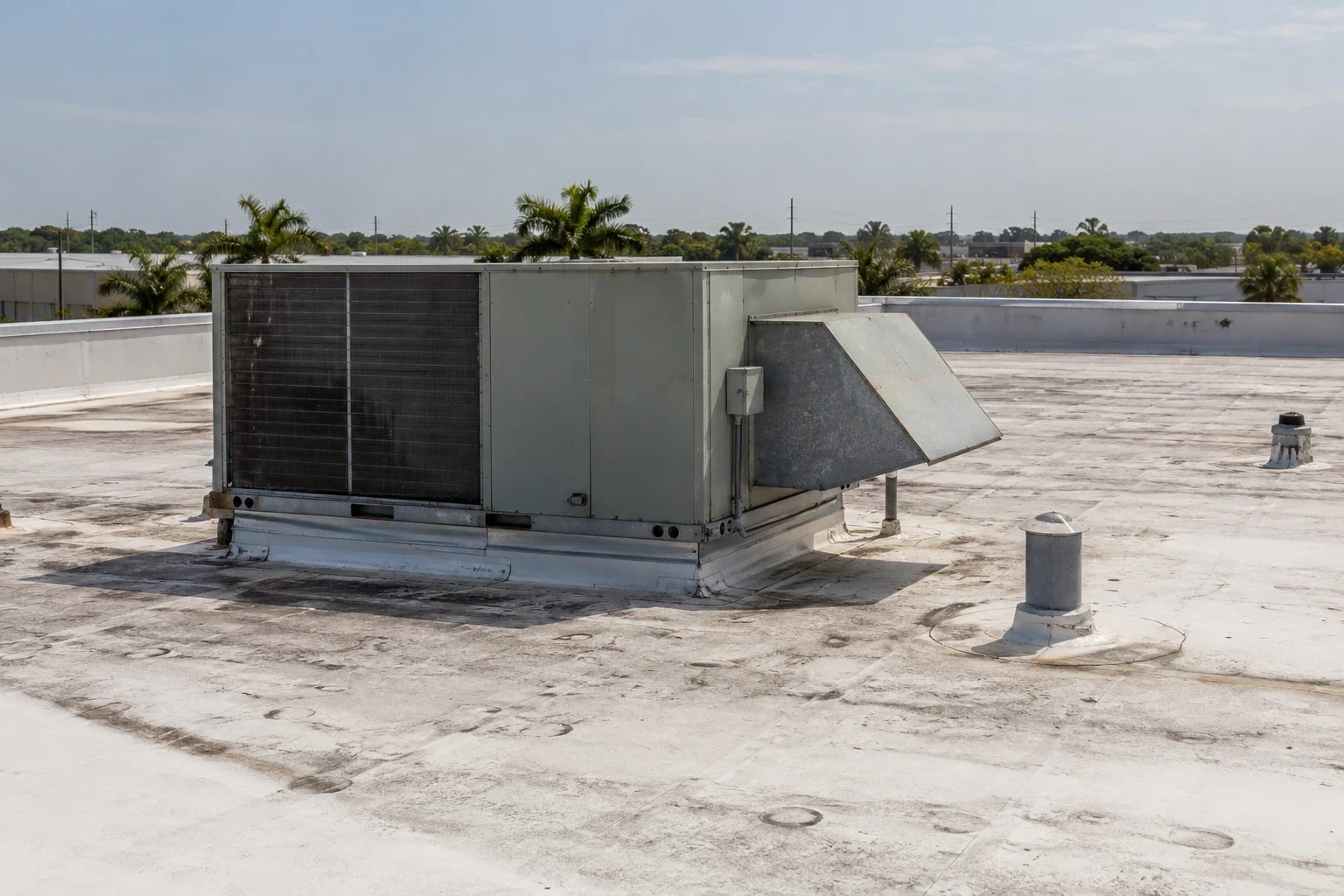
A line change can leave a new exhaust, conduit run or curb through the roof. If the flashing is disturbed, water may travel before it appears over a work area. We inspect the roof around the alteration, identify the system and document any opening before setting a repair boundary. The plan can account for production shifts and material movement below.
LEDA's parish employer list includes Stuller and Bilfinger among employers in a market with manufacturing and energy services. UL Lafayette Research Park supports laboratories, offices, testing and consulting operations. These local uses do not define a plant's roof assembly, but they show why inspection needs to account for equipment, access and the work happening under each roof.
Trace process changes to roof details
Manufacturing roofs can change as exhaust, make-up air, piping, dust collection or electrical systems are added. We compare the current roof with prior photos and service records, then inspect curbs, penetrations, support points and nearby seams. If an equipment contractor made the change, we coordinate the roof tie-in with that vendor and note which party owns each part of the work.
A production manager can identify restricted zones, forklift routes, overhead work, shift changes and areas where a lift cannot sit. We agree on roof access and staging before mobilization. If a repair affects a clean or controlled room below, the facility tells us the protection procedure and who can authorize access. The work scope stays tied to the approved area.
Equipment curb and support work can address a defined transition. A commercial inspection can review adjacent seams and drains when the alteration may have affected more than one detail.
Separate a roof leak from process moisture
Water inside a plant can come from a roof opening, condensation, process piping or equipment. We ask where the water appears, when it occurs and whether it follows rain or a production cycle. Then we inspect above the report for membrane seams, metal laps, wall transitions, drains and previous repairs. The report separates what the roof shows from other causes the facility may need to check.
If wet insulation is suspected, a moisture survey or a controlled opening may help define the affected area. We explain the test before requesting approval. Photographs should show the roof detail and location without exposing restricted process information. If the leak is active after a shift, emergency response is available nights, weekends and holidays; a temporary securement remains distinct from the permanent repair.
Leak repair can address a confirmed entry point. A moisture survey can help map concealed conditions that need further review.
Identify the assembly across production bays
A plant may have membrane on a low-slope addition and metal panels over another bay. We identify each surface, fastening approach, insulation and drainage route before selecting material. A metal fastener repair differs from a membrane seam repair. Prior coatings and overlays may affect how a new detail bonds, so we inspect the substrate before proposing that work.
Some facilities compare standing-seam metal, TPO or modified bitumen when planning renewal. The existing deck, structural support, roof slope, chemical exposure and ventilation arrangement guide the discussion. We record visible conditions and coordinate questions about process emissions or equipment heat with the facility team rather than assume how the roof is used.
At Opelousas, listed facilities include laboratories, offices, testing and consulting operations. That campus is not a manufacturing plant, but its varied work areas illustrate why roof scope should track the specific rooms and equipment beneath the inspected section.
Check outlets where production residue can collect
Roof drains and gutters can collect leaves, dust or other debris that reaches the roof from nearby operations. We inspect strainers, sumps, scuppers, overflows and low areas, then note whether the water path is obstructed or the roof plane holds water after an outlet is clear. Lafayette Regional Airport normals show 60.50 inches of annual rainfall, including a June average of 7.08 inches, making outlet access a practical maintenance item.
Cleaning is not the same as correcting a settled section or failed seam. We list each condition by roof zone so the plant can decide whether to authorize drain work, a membrane repair or additional evaluation. If production equipment blocks an access route, the site contact can arrange a shutdown window or identify another safe approach.
A drainage maintenance visit can clear an obstruction or address a damaged fitting. We can note the equipment access needed for recurring checks.
Inspect after severe weather
A National Weather Service report recounts a supercell and tornado activity along the Lafayette-to-Breaux Bridge stretch during spring. A plant should not infer damage from the regional report alone. We inspect the actual roof for impact marks, displaced edge metal, open seams, punctures and water entry, then compare the findings with available pre-storm photos.
Wind can affect edge details and rooftop equipment supports differently from hail impact on a panel or membrane. We report those conditions separately and note any safe-access limits. If the building remains in production, the manager can identify equipment, product or employee areas that need temporary protection while the roof scope is arranged.
Hail damage assessment can document impact findings. For a broad roof project, phased reroofing can keep the sequence connected to plant operations.
Plan work by line, bay and approval
One roof section may need a curb repair while another is nearing renewal. We map each recommendation to a production bay or building, include photos and identify access assumptions. A repair scope states what it corrects and what remains. A capital option can account for tear-off, insulation, drains, edges, equipment tie-ins and protection of work below.
LEDA manages four business parks in Lafayette Parish to support commercial and industrial development. In a wider regional setting, St. Martinville's local economy includes sugar processing and food manufacturing. These places support an industrial market, while the facility's own assembly and maintenance file determine the project sequence.
Logistics operators and general contractors may need related access and closeout records. We keep the manufacturer's facility scope specific to its buildings and approval path.
Manufacturing roof scopes should account for production schedules, rooftop process equipment, and safe access to each work zone. Identify where a shutdown or temporary interruption could affect operations, and separate roof repairs from equipment work that requires another trade. A report should include the specific detail or assembly condition that supports each recommendation. When the facility has multiple additions, note transitions between roof sections because different ages or systems may require different repair methods.
Questions About Manufacturers
Can roof repairs be scheduled between production shifts?
Yes. The facility contact can identify line schedules, restricted zones and material routes. We coordinate staging and work hours, then secure each exposed roof section before the area below returns to normal use.
How do you handle a roof penetration added by an equipment vendor?
We inspect the curb, flashing and surrounding roof, then coordinate the tie-in with the mechanical contractor. The written scope identifies the roofing work and any equipment adjustment assigned to the vendor.
What if moisture appears during production but not after rain?
We record when and where it occurs, then inspect the roof and nearby details. The pattern may call for other facility checks as well; the report keeps roof observations separate from process or piping questions.
Can you inspect without photographing process equipment?
The site contact can set photography limits and restricted areas before the visit. We document the roof conditions and use approved room or asset labels in the report.
When does a plant need more than a spot repair?
Repeated failures, wet insulation across several bays or deteriorated attachment may support a broader assessment. We map evidence by section and identify what a localized repair would leave in place.