
Commercial Roofing for Property Managers in Lafayette, LA
Home / Industries We Serve / Property Managers
Talk With Our Lafayette Team
Share the property list, open leak calls and current roof records. We can inspect priority buildings, map findings and outline maintenance or capital steps for each asset.
Call 555-555-5555
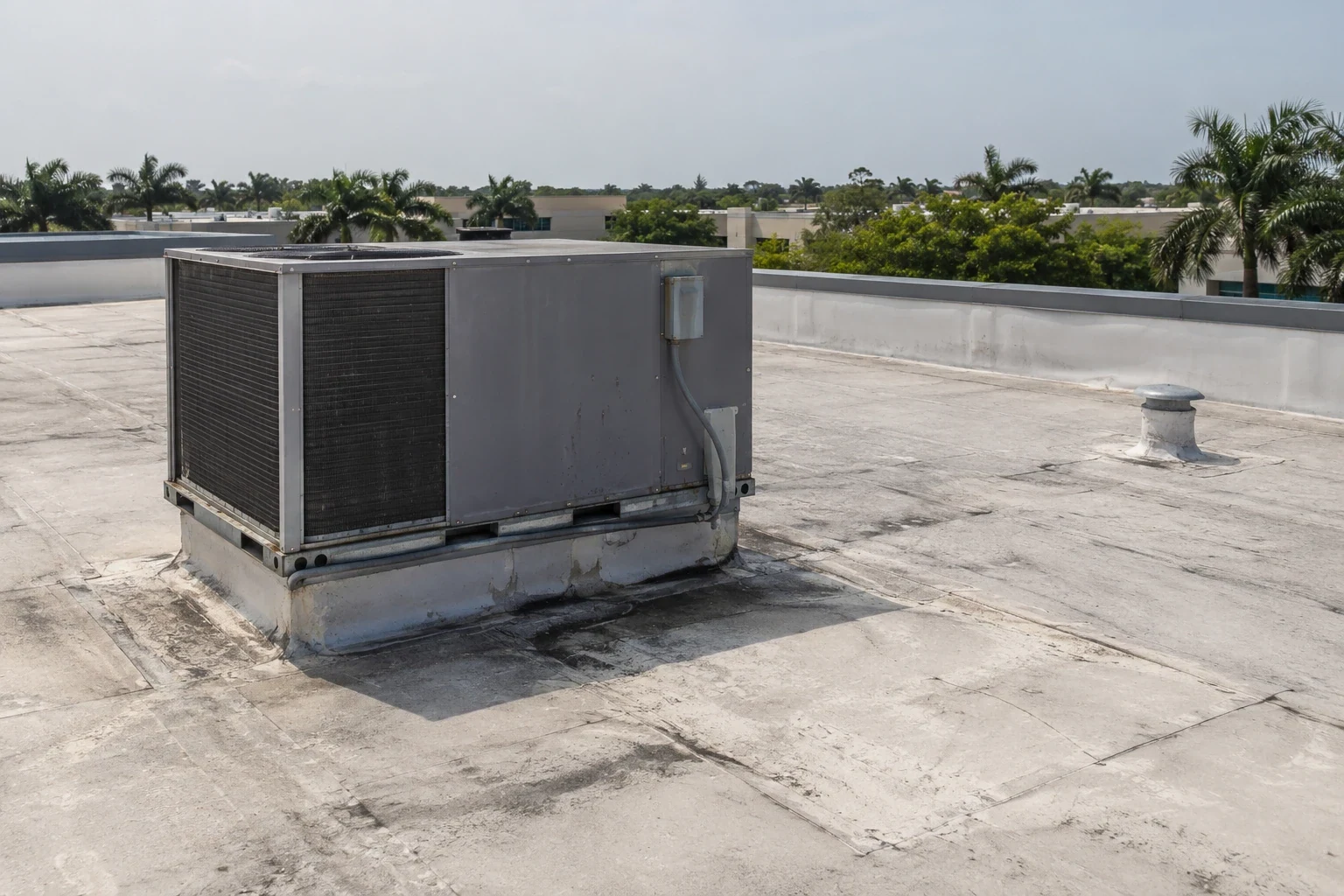
Review your Lafayette roof portfolio
A manager gets three roof calls before the morning check-in. One tenant sees a ceiling mark, another reports a full gutter, and a vendor has left a curb repair undocumented. Each property needs a separate inspection record and a clear owner decision. We help management teams sort the immediate leak from the maintenance item, then connect the roof condition to a service or capital scope.
LEDA manages business parks across Lafayette Parish, while River Ranch combines office and retail properties with healthcare, grocery and professional tenants. That range gives local managers different access and reporting needs. We map each roof by building and zone instead of treating a portfolio as one assembly.
Keep each building on its own record
A useful portfolio file starts with address, roof area, system, age if documented, last repair, warranty information and current open items. Add inspection photos with a location reference, not just a folder labeled by property. When a tenant reports water, connect the room to the roof zone above it and record whether the leak stopped after the service call.
Owners may hold different assets across Downtown Lafayette, Oil Center and the Ambassador Caffery corridor. The city plan identifies these as mixed-use or commercial settings, but each roof still needs individual review. A report should show which building has an open seam, slow drain or damaged edge. That lets an asset manager compare urgency without transferring a condition from one address to another.
A roof asset record can connect inspections, repairs and planning dates. For a separate property group, investor roof planning can help organize condition and capital decisions across held assets.
Sort leak response from routine work
When a call comes in, capture the affected room, first observed time, current water activity, weather and any equipment below the stain. We inspect above and around that area, then label what is visible and what needs more testing. A ceiling tile can mark the symptom without locating the entry point. The service record should say whether the area was dried, protected or repaired.
Active entry needs attention outside regular hours too. Emergency response is available nights, weekends and holidays. We can secure a defined opening when access is safe, then return to document the permanent repair. Keep the temporary step in the property log so a later manager does not mistake it for a completed roof correction.
Emergency roof response can address an active opening. If several details need review, a commercial roof inspection can map related conditions before management authorizes broader work.
Track outlets before the wet months
Lafayette Regional Airport climate normals record 60.50 inches of precipitation each year, with June averaging 7.08 inches. A manager can use that seasonal pattern to schedule drain and scupper checks ahead of heavier rainfall. We inspect strainers, overflow routes, gutters and low areas, then note whether debris or the roof slope appears to be the issue.
One clogged outlet may need cleaning. Water that remains after the outlet is clear may point to a settled section or a detail that needs further review. Separate those findings in the work order. That helps avoid assigning a drainage cleaning to a membrane failure or treating repeated ponding as a routine housekeeping call.
Drain and scupper service can address an identified outlet problem. Add the date, roof zone and follow-up condition to the property file so the next visit can compare what changed.
Coordinate tenants and outside trades
Roof access often overlaps tenant operations, HVAC service, signage work and deliveries. Before a vendor arrives, management can identify keys, escort rules, loading access, quiet hours and areas that must remain open. We mark where a lift or materials can sit and tell the property contact when the roof will be secured at the end of the shift.
The Johnston Street-Louisiana Avenue project connects businesses, schools, neighborhoods and UL Lafayette along an 8.5-mile route. That busy mix is a useful reminder to plan work by actual building schedule. At a medical or retail property, protect the rooms and customer routes below the roof work, then give the manager a clear update if weather or a hidden condition changes the sequence.
Occupied-building reroofing can phase a larger job around tenants. A multi-location retail program may also need consistent work records, while access plans stay specific to each address.
Compare repairs with portfolio priorities
A capital recommendation should link each proposed scope to observed conditions. We can list immediate repairs, monitor items and replacement candidates by roof zone, with photos and notes on moisture, insulation, edges and drainage. A single flashing repair may be enough for one section. Repeated wet areas or broad system deterioration can justify a wider review.
LEDA's employer list includes healthcare, schools, retail, manufacturing and logistics among the parish's major building users. A portfolio manager may therefore coordinate roofs with different hours and critical spaces. We identify the timing drivers, access needs, material choices and what is excluded so ownership can compare projects on a consistent record without assuming all roofs need the same scope.
Replacement planning can set out assembly, insulation, edges and equipment tie-ins. Our roof capital review can separate near-term work from future budgeting based on the inspected conditions.
Make closeout useful to the next manager
After repair, retain the work area, materials, photos, date, contractor notes and any remaining limitation. If a leak returns, the history can show whether it reappeared at the same detail or a nearby transition. That helps management decide whether to extend the repair, investigate a second entry point or request a broader condition assessment.
At multi-tenant places such as River Ranch, a tenant directory does not show which assembly sits above a particular suite. The roof map should identify the actual building and section. Share only the access and condition information the property team needs, and keep any warranty terms attached to the correct roof area.
Call when your team needs a first inspection, an active leak response or a portfolio roof review. We can document the condition and provide a next step that management can track property by property.
Portfolio managers can make roof decisions faster when each property record uses the same fields: assembly, approximate section boundaries, drainage, open repairs, and next review date. Keep observation, recommendation, and authorization separate so an owner can see what is known before approving work. If several properties share a contractor, consistent photo labels and closeout notes reduce follow-up calls and help a new manager understand the roof history without relying on memory.
Questions About Property Managers
What details help triage a roof call across several buildings?
The property address, room or suite, first observed time, active water status and recent weather help us prepare. We inspect the roof area above and around the report, then record confirmed conditions separately from items needing further testing.
Can emergency calls be handled after regular office hours?
Yes. Response is available nights, weekends and holidays for active openings. We first assess safe roof access, then document any temporary protection and the permanent repair that remains.
How can managers compare roofs for annual capital planning?
Use consistent roof maps, photos, condition notes and separate repair and replacement recommendations. We connect each priority to a specific section so ownership can compare evidence across properties.
Should one roof maintenance plan cover an entire portfolio?
A portfolio calendar can set common review dates, but each building needs its own system, access notes and repair history. We record the local condition before assigning work or timing.
What belongs in a roof repair closeout?
Keep the exact work area, repair material, photos, service date and any unresolved condition. That record gives the next manager a clear starting point if the same room reports water again.