
Data Center Roofing in Lafayette, LA
Home / Property Types We Roof / Data Center Roofing
Talk With Our Lafayette Team
Share access rules, the affected roof zone and any operational restrictions. We will inspect the roof details, coordinate with your facility contact and provide a clear repair plan.
Call 555-555-5555
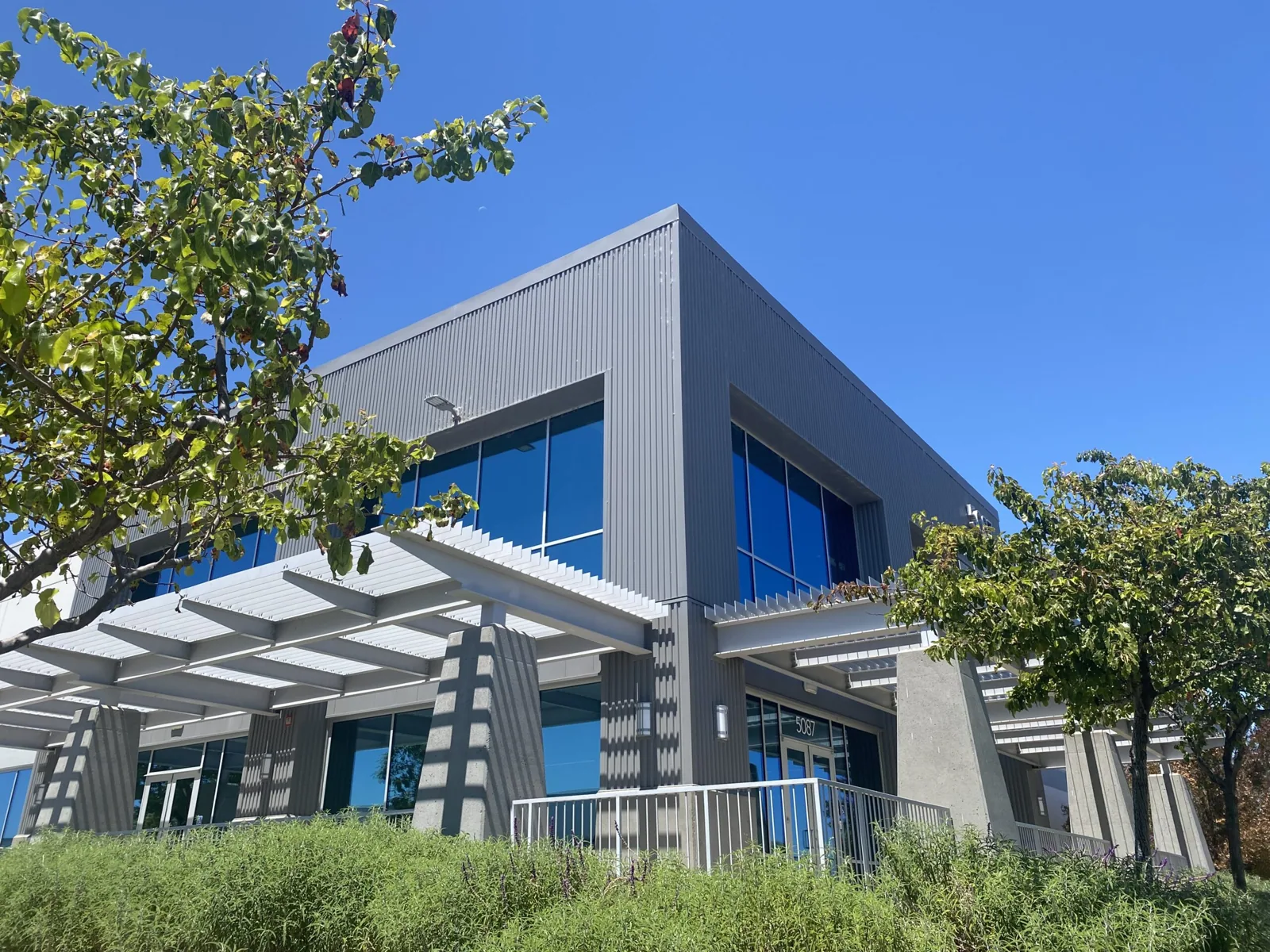
Plan a controlled roof inspection
A small roof leak can become a facilities incident when it is near power, controls or cooling equipment. We inspect the roof above the reported area, trace water routes and document nearby seams, penetrations and drains. The facility team controls operational response. Our roofing scope identifies the condition and a safe way to correct it.
Lafayette has technology and research activity at Opelousas, whose facilities include laboratories, offices, testing operations and an incubator. Those research and testing uses make careful facility coordination familiar in Lafayette; we inspect each building's roof and confirm its own service restrictions with the owner.
Confirm access and critical-area rules
Before a roof visit, the facility contact identifies badging, escort, tool, photography and work-area rules. The crew needs an approved access path and a place for materials that does not interfere with operations. If the roof hatch opens into a controlled area, we confirm how the route is protected and who must be present.
Work scheduling should account for cooling equipment and electrical service. We do not shut down or move data-center equipment. If a roofing detail is beneath a unit or cable tray, the facility's mechanical and electrical staff define what can be isolated. We plan the roofing access and repair sequence around that direction.
For after-hours access, the site representative sets the call tree and approval process. Our emergency response is available nights, weekends and holidays, but entry remains subject to facility authorization. The service plan should name who can open the roof, approve temporary protection and receive an update before the crew leaves.
Trace water before it reaches equipment
Water can run under a roof surface or along a deck before it reaches a ceiling. We compare the reported area with seams, curbs, wall transitions, drains and low spots above. Lafayette Regional Airport normals record 60.50 inches of annual precipitation; June averages 7.08 inches. A roof serving critical rooms needs a clear drain path and reliable flashing, especially during wet-season storms.
We check outlets for blockage and inspect the membrane around equipment supports. A clogged drain can put water against a seam, while an open penetration can admit water before it reaches the low area. We record each condition separately. A repair plan should not treat a drainage problem as a membrane defect or the reverse.
For drain concerns, drain and scupper work can identify cleaning or detail repairs. If the entry point is unclear, a commercial roof inspection can review a broader section. An active leak may need emergency roof repair to limit exposure before permanent work is set.
Review cooling and power penetrations
Cooling lines, conduit, cable routes, antenna supports and unit curbs interrupt the roof membrane. We inspect each transition for loose flashing, open sealant, movement and water staining. A system added after the roof installation may leave a mismatched detail. We ask which contractor installed or serviced the equipment and whether the roof was restored afterward.
Heavy rooftop service can wear a path or damage a seam. We note where technicians walk and whether protective pads or walkway material are present. If a support is unstable, the equipment trade may need to secure it before roofing work. We identify that division of work so the repair does not depend on an uncorrected movement.
For membrane options, TPO roofing and EPDM roofing have different seam and detail requirements. A product choice should reflect the existing assembly, equipment layout and project criteria. We confirm project criteria and the existing assembly before recommending a membrane.
Keep repairs controlled and documented
A roof repair near critical equipment needs clear limits. We identify the work area, what must stay energized or accessible and what protection is required below. The owner or facility operator determines allowable impacts. We plan roofing steps with the responsible site staff to limit disruption and keep required access available.
When a section is opened, the crew needs an agreed stopping point and a method to secure it before leaving. If wet insulation or damaged deck appears, we record the location, protect the opening and request authorization before expanding the scope. The response plan should identify who can make that decision and how the issue will be communicated.
At UL Lafayette Research Park, laboratories and testing operations require coordination around their own access and building procedures. Those uses illustrate why a facility manager may need photos and precise zone labels. We apply the same care to the data center site, following its rules and naming the roof area consistently.
Select roofing that fits the building
Data-center roofs may use membrane or metal systems, but the installed assembly must be confirmed. We inspect the deck and insulation where accessible, review prior repairs and map equipment zones. The decision should consider drainage, roof traffic, curb details and future service routes. Selection follows the documented assembly, drainage needs, equipment access and project criteria.
For a candidate roof, office-building roof planning and manufacturing plant roof work address related access questions, while this property type brings additional operational controls. A replacement assessment can compare the full assembly with targeted repair. We identify scope assumptions and any design questions that need a qualified professional.
LEDA lists Industrial Park and Northpark among Lafayette Parish's business parks. For each project, the property address, building records and roof inspection establish the service plan.
Maintain a precise roof record
Facility staff need to find a repair without guessing which unit or roof section is meant. We use building and zone labels supplied by the owner, then photograph the seam, curb or drain where allowed. The record should include date, materials, work boundary, access conditions and items awaiting another trade.
A roof condition report can help keep visible defects and follow-up items together. Maintenance staff can add access history after electrical, mechanical or communications work. If a contractor changes a roof penetration, the facility should confirm the flashing was restored and record the change.
Call when a leak appears near equipment, a drain backs up or a repair has separated. We will inspect the roof zone, coordinate with your site contact and explain the next safe step. For active water entry, emergency crews can be reached after normal hours, including holidays and weekends.
For a critical facility, roof work planning should connect the roof map with equipment zones, service routes, and the building's change-control process. Identify which areas can be accessed, what protection is needed around rooftop equipment, and how debris will be controlled. A repair scope should specify the affected detail and the inspection needed before the area is closed. That record helps facility staff schedule work without confusing a roof condition with an equipment or interior systems issue.
Questions About Data Center Roofing
Can a roofer work around live data-center equipment?
Roofing access and work boundaries can be coordinated, but the facility operator controls equipment and electrical procedures. We confirm approved access, work windows and protection before mobilizing.
How do you respond to a leak near electrical equipment?
We follow the facility's emergency procedure, inspect the roof-side details when access is approved and identify practical protection. The facility team controls electrical safety and operational response.
Should the cooling units be shut down for roof repairs?
The facility's mechanical lead decides whether equipment can be isolated. We plan the roofing detail and schedule around that direction; our crew does not operate or disconnect cooling systems.
Can you photograph the roof and equipment?
Photography rules come from the site, and we follow its information-security procedures. If images are restricted, we use the approved documentation method and label conditions for the facility contact.
How often should a data center roof be checked?
The inspection schedule should reflect roof condition, access activity, weather exposure and facility policy. We can document an initial condition and recommend follow-up points based on the roof findings.