About Commercial Roofing Lafayette
Home / About
Commercial Roofing for Lafayette Buildings
Commercial Roofing Lafayette works with building owners, facility managers, property managers, and contractors who need a clear answer about a commercial roof. We inspect low-slope and metal systems, repair leaks and damaged details, maintain serviceable assemblies, and plan coatings or replacement when the roof condition supports that work. The job begins with the building in front of us: the roof material, drainage, seams, penetrations, edges, interior report, and repair record. We document what is visible and identify what needs a closer test.
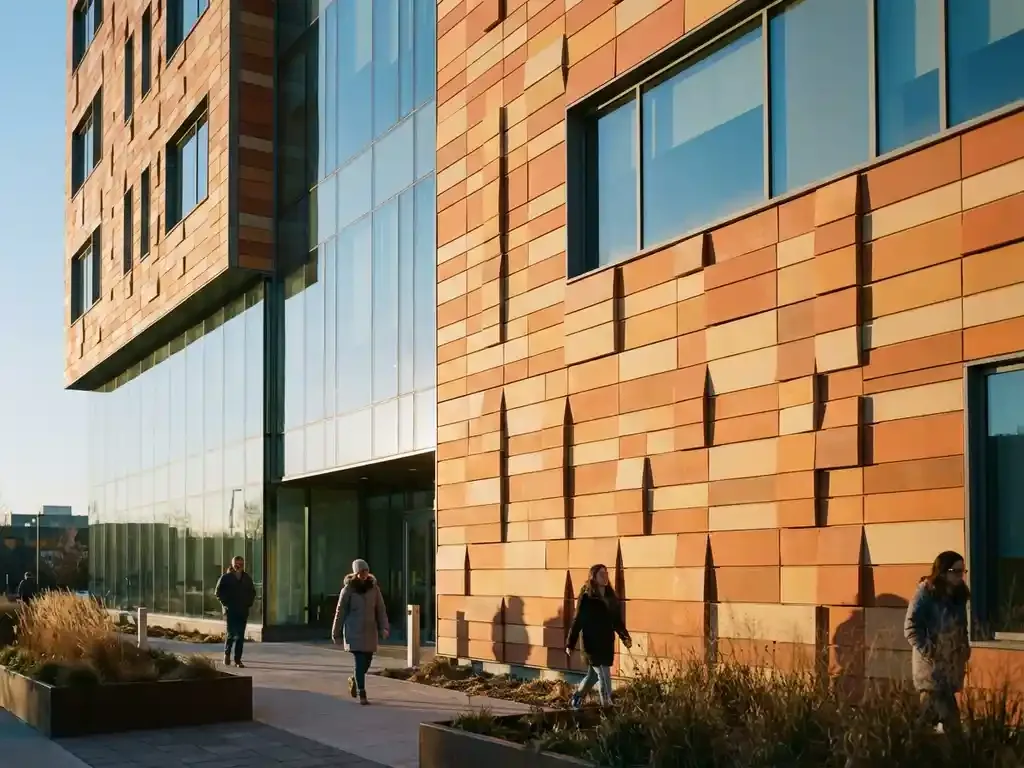
Lafayette's commercial properties serve healthcare, education, retail, manufacturing, logistics, energy services, public agencies, and technology. The parish's employer base includes Ochsner Lafayette General, UL Lafayette, the Lafayette Parish School System, and Our Lady of Lourdes. Each property has a different roof and operating schedule. Our scope ties findings to the actual address, instead of assuming two buildings in the same industry share the same construction or needs.
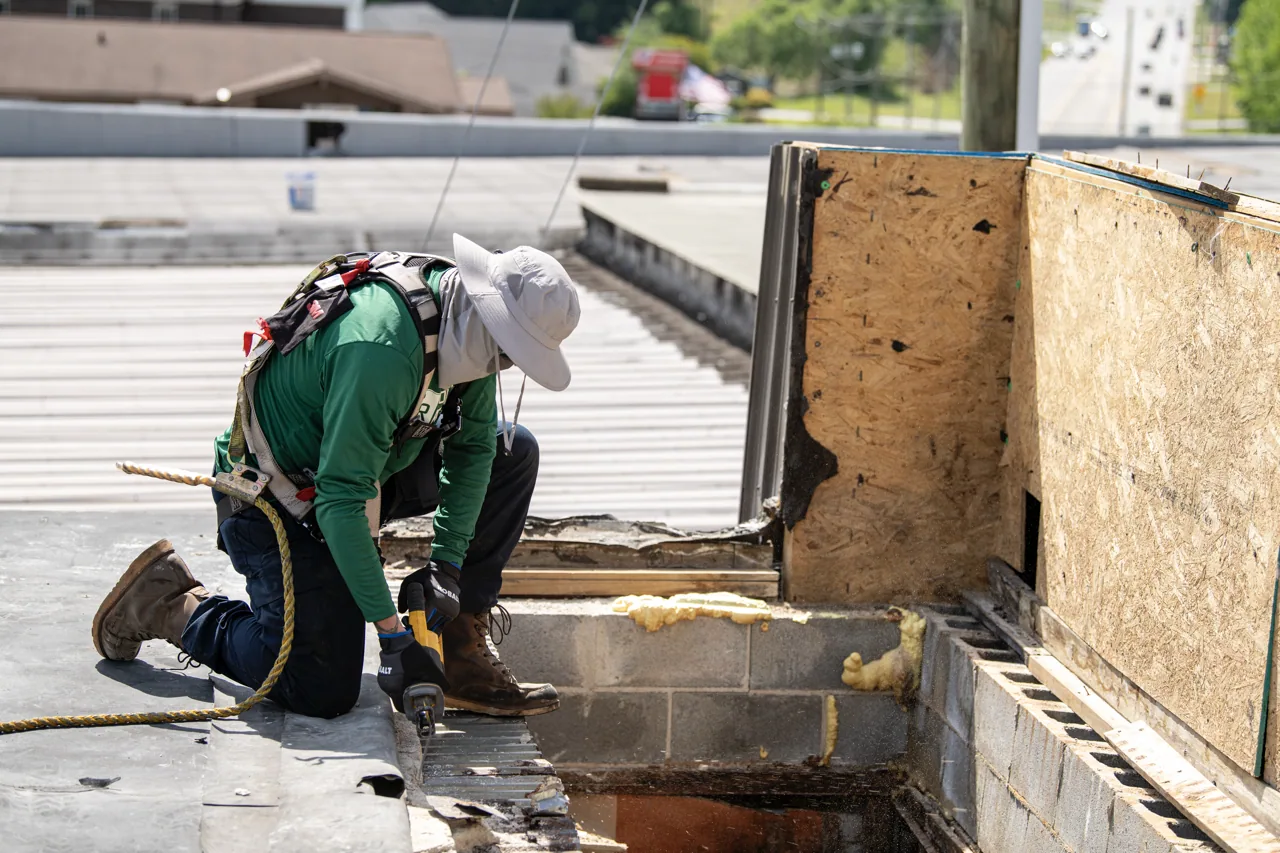
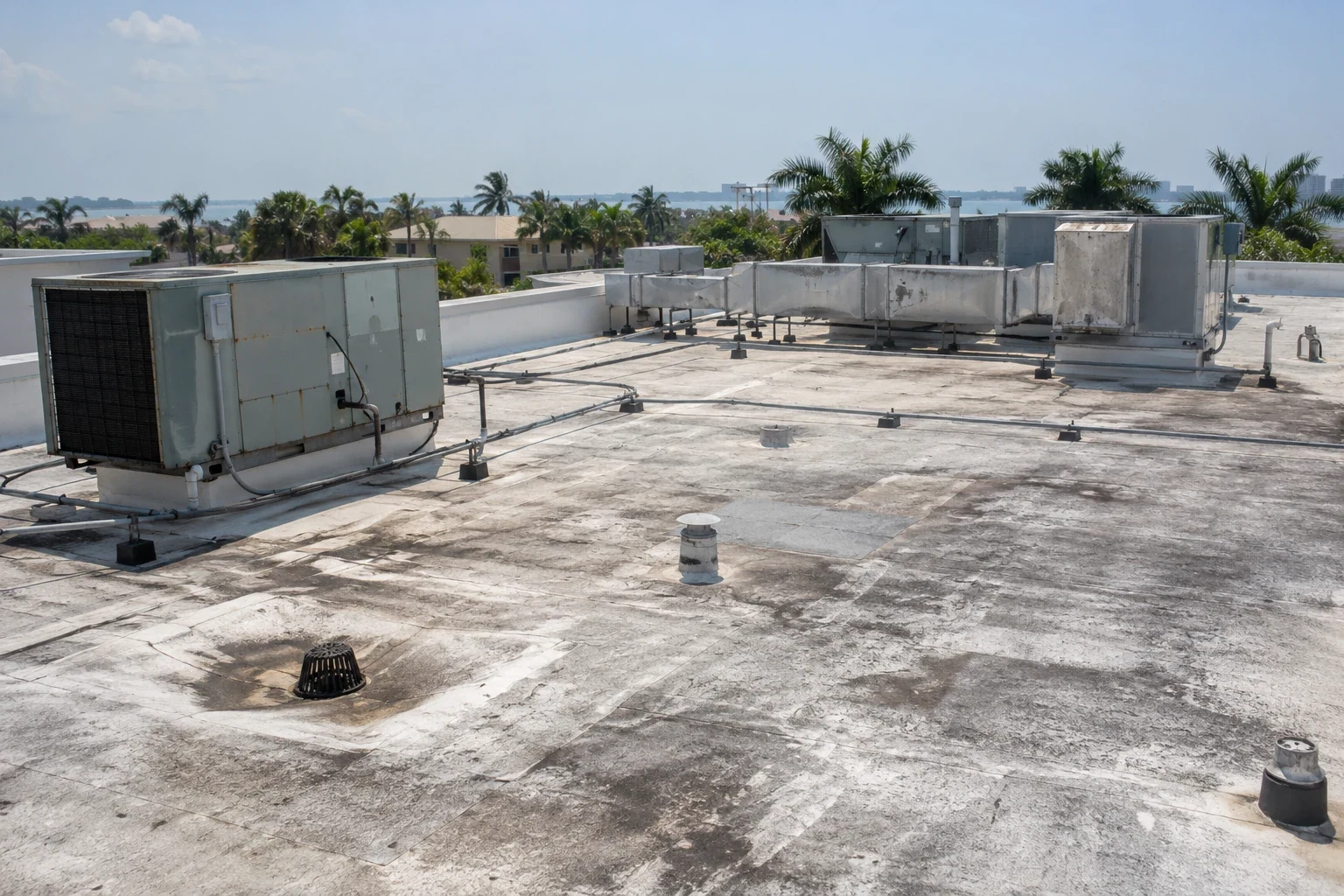
A reported leak gives us a place to begin, not a complete diagnosis. Water can move along a deck flute, seam, framing member, or insulation before it appears on a ceiling. We inspect the roof above and around the affected room, looking at drains, scuppers, membrane laps, penetrations, curb corners, wall transitions, and edge metal. We compare these details with prior patches or service notes and record any area we could not reach.
A hands-on inspection can identify loose flashing, open seams, soft materials, debris, or signs of ponding. Drone images may help document broad surfaces; infrared patterns or selective openings can help investigate possible concealed moisture. Those tools answer different questions and have limits. We explain whether the evidence confirms wet insulation, what remains uncertain, and whether another test would change the repair boundary. Our commercial roof inspection is meant to support a decision, not simply produce photographs.
Repair confirmed defects and record the limits
Repair material has to fit the system already on the building. A thermoplastic seam, EPDM patch, asphaltic detail, metal edge, and coating need different preparation. We identify the material where possible, check surrounding layers, and tie the work into sound surfaces. If a coating or prior recover hides the original assembly, we may need records or a small test opening before choosing a method. When water is active, we can respond overnight, on weekends, and holidays to stabilize an opening while permanent work is prepared.
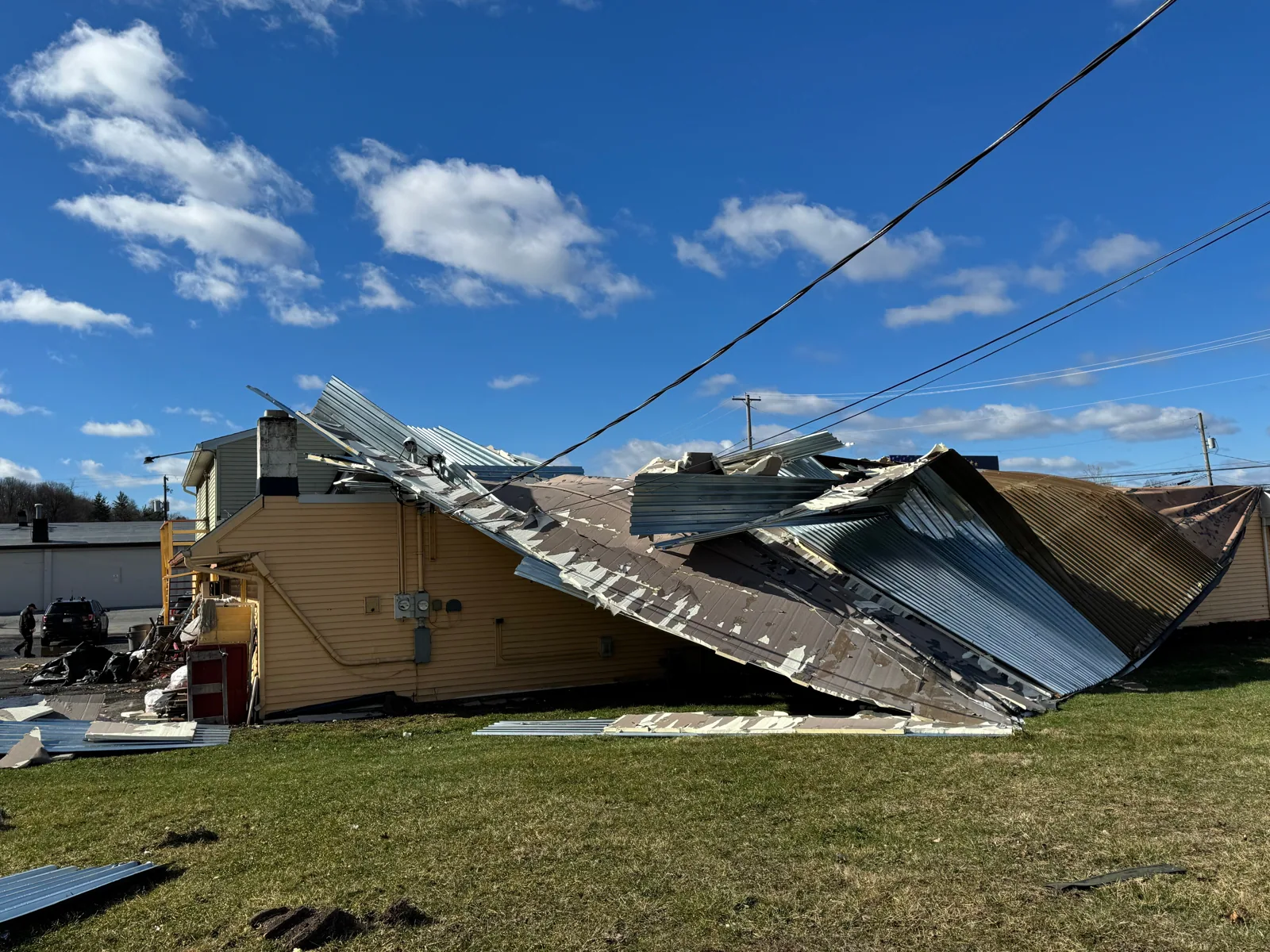
Closeout records should say what was repaired, which roof zone was involved, and what condition remains. We note hidden or inaccessible areas rather than treating them as inspected. When the field review shows widespread deterioration or moisture, we compare a focused repair with a broader scope. Emergency roof service addresses immediate exposure; commercial repairs can resolve confirmed defects; and storm-damage work documents observable impact and repair needs.
Work across commercial roof assemblies
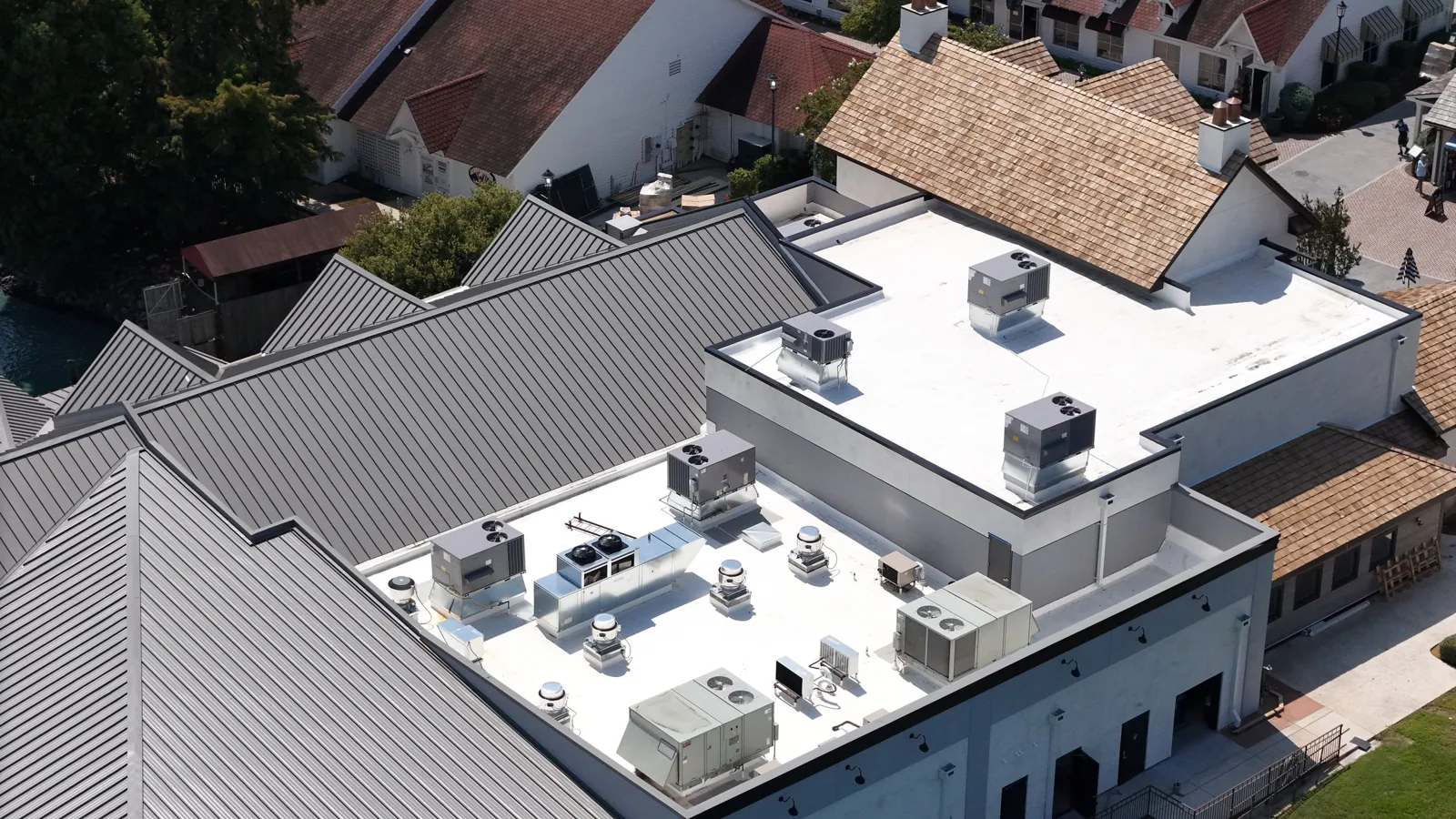
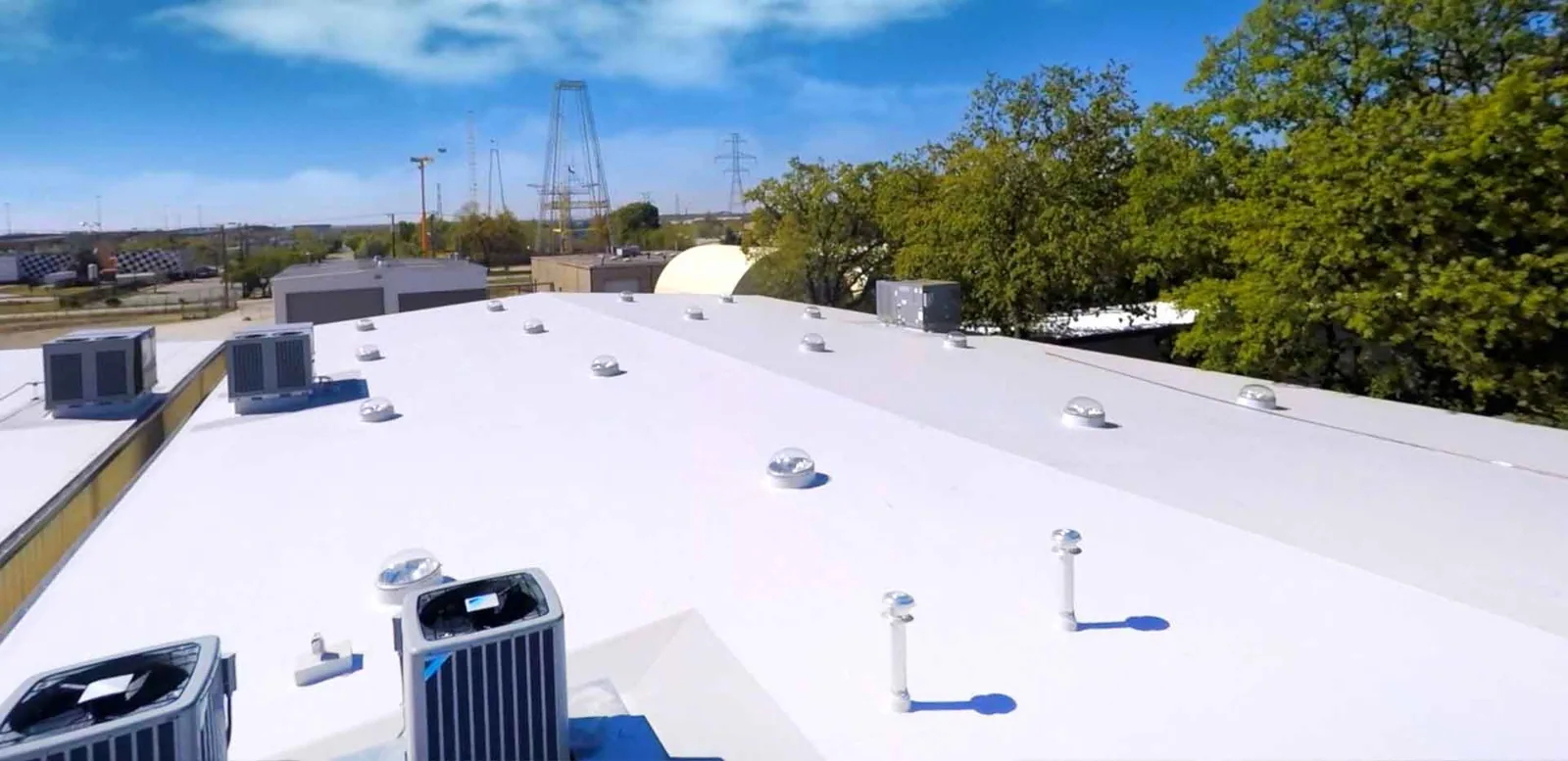
We work across single-ply membranes, asphaltic assemblies, metal roofs, spray foam, and fluid-applied coatings. The exact system and repair method must be confirmed at the building. The material choice for a new project depends on the existing assembly, attachment, deck, insulation, slope, drainage, penetrations, and owner priorities. No material is a substitute for sound details. We inspect where the membrane meets a drain or wall because those transitions can govern a repair even when the open field appears intact.
A recover is considered after we check existing layers, attachment, and moisture. If wet insulation or unstable components are present, removing damaged material may be the more useful path. Coating restoration depends on surface condition, adhesion, preparation, and the details being covered. A recover evaluation, coating restoration, and replacement planning each answer a different roof decision. We describe what the inspection supports and why.
Plan around occupants and the work below
Many commercial roofs sit above businesses that need to keep operating. We coordinate access, staging, deliveries, noise, interior protection, and tenant schedules with the building contact. A repair near rooftop equipment may need coordination with the mechanical trade. A larger project can require sequencing by roof zone so the building team understands which areas are active and what will be closed at the end of each shift. The plan changes with the building and the scope.
Long-term Lafayette weather records show a pronounced summer rain period and strong hot-season exposure. Those conditions make drainage checks and dry-surface preparation useful, but they do not tell us how water moves on a particular roof. We inspect the actual slope, drains, overflow paths, low areas, and membrane connections before discussing schedule. A maintenance visit can revisit these details and note changes over time.
Serve Lafayette and nearby Acadiana properties
Our service area includes Lafayette and surrounding Acadiana communities. Named commercial locations range from UL Lafayette and the Oil Center to River Ranch, the Ambassador Caffery corridor, and LEDA's business parks. Nearby projects can include Commercial Park East in Breaux Bridge, the Deere Park development near US 167 and Cordell Road, or Historic Downtown Abbeville. Those references help identify where a property sits; they do not tell us its roof condition, use, or access requirements. Each visit begins with address confirmation and a building-specific review.
For owners with several facilities, a consistent report format can help compare repair priorities while each property's findings stay separate. We photograph conditions, note identified materials, and describe questions that require follow-up. A roof condition report can support near-term repair and longer-range planning. For multi-property needs, multi-site roof programs can help organize inspections and records around an owner's portfolio.
When you contact us, share the building address, the roof or interior condition you have noticed, any prior repair history, and the person who can confirm access. We can inspect the accessible roof area, explain the evidence, and discuss repair, maintenance, restoration, or replacement options. If a test or approval is still needed, that next step will be clear in the scope. We will identify whether a follow-up is for moisture testing, access to a concealed area, or confirmation of a separate building requirement. The findings and limits stay visible, so the owner can decide with a clear picture of what was inspected and what remains open.
Commercial Roofing Questions
What happens during a first commercial roof inspection?
We review the reported issue, inspect accessible roof details, identify materials where possible, and document conditions with notes or photos. We also state what could not be reached or confirmed.
Do you only work on roofs that need replacement?
No. A localized repair or maintenance visit may be appropriate when the surrounding assembly is sound. We compare repair, recover, restoration, and replacement based on what the roof shows.
How do you plan work for an occupied property?
We coordinate roof access, staging, noise, interior protection, and the work window with the owner or facility contact. The schedule reflects both roof conditions and building operations.
What happens when part of a roof cannot be accessed?
Access limits go into the report. We describe what remained out of view, why it matters, and what access change or test could resolve the uncertainty.
Talk through a commercial roof concern
Share the property address, what you have observed, and any roof records or access limits. We can inspect the condition and explain practical next steps.