
Distribution Center Roofing in Lafayette, LA
Home / Property Types We Roof / Distribution Center Roofing
Talk With Our Lafayette Team
Tell us which zone is affected, how the facility runs and when docks can be accessed. We will inspect the roof and outline a repair or phased reroof plan that protects the work area.
Call 555-555-5555
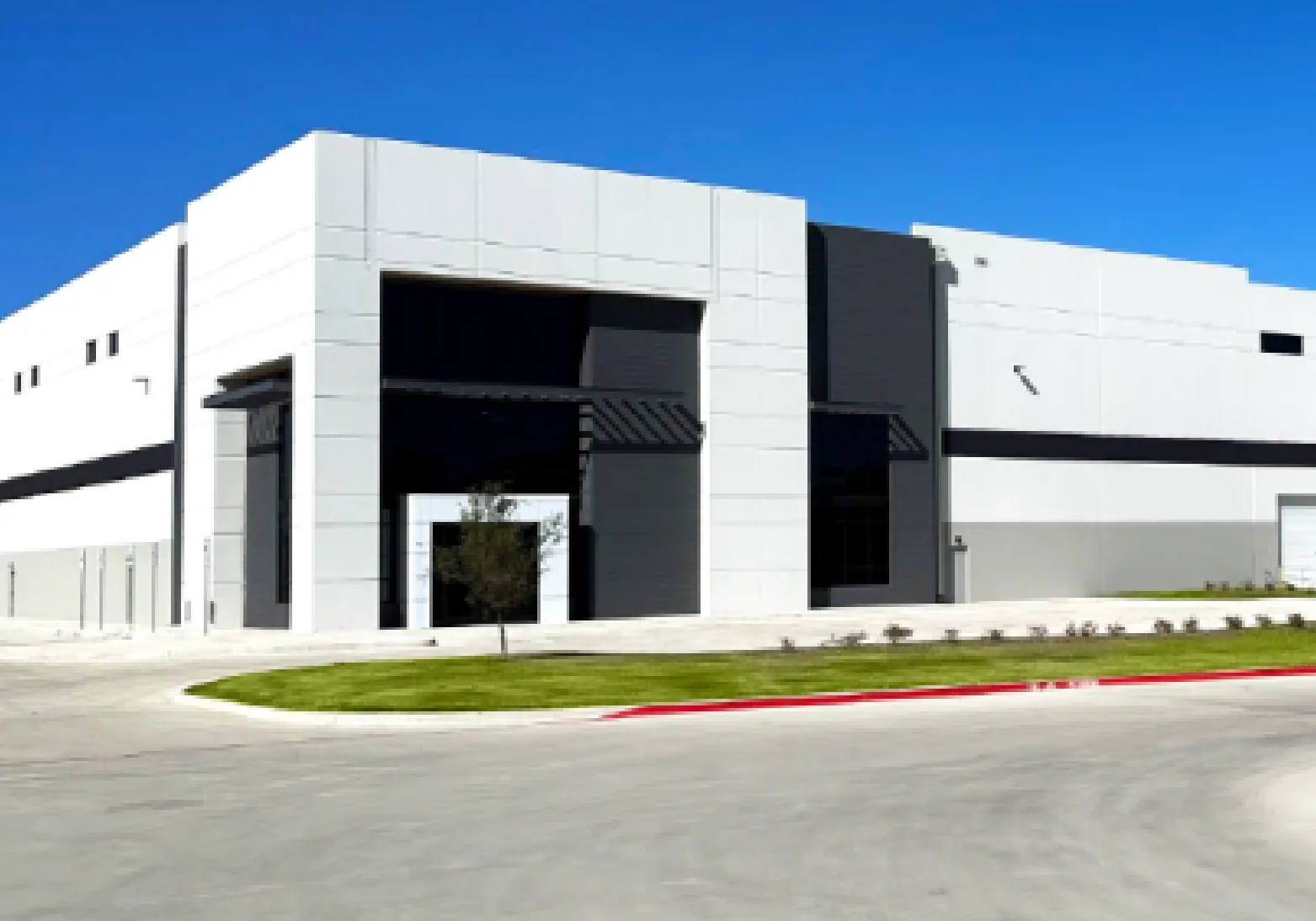
Plan roof work around the operation
A roof leak over a conveyor lane can disrupt more than the ceiling below. It can stop a sort line, force a change in receiving and put cartons at risk. We inspect the roof above the affected zone, then trace seams, penetrations and drainage before setting a repair boundary. The schedule has to work with the operation on the floor.
Lafayette Parish includes logistics employers and light-industrial corridors. Scott's comprehensive plan identifies warehousing and light-industrial uses along Herold Gauthe Road and another business corridor at Apollo Road. That local building pattern makes delivery and access planning useful, while each distribution roof still needs its own inspection.
Plan work around receiving and dispatch
Distribution buildings can run through multiple shifts. We ask when docks are busiest, which aisles cannot be interrupted and where materials may be staged. A lift or delivery that blocks a truck route can affect the day's work below. The facility team identifies approved access and any time windows; we make the roofing sequence fit those operating limits.
Roof sections may follow drainage zones, dock wings or equipment areas. The crew opens only what can be protected and closed safely within the shift. If tear-off uncovers wet insulation or damaged deck, we document the boundary and protect it while the owner reviews the scope. The project plan should identify who can authorize added work.
For an occupied facility, occupied-building reroofing can define work zones and daily closeout. A smaller leak may first need emergency roof repair to protect goods while a permanent plan is developed.
Protect inventory and automated equipment
Water can damage cartons, conveyor motors, controls and stored materials. We coordinate the area below with the facility contact before opening the roof. Temporary protection may involve isolating a rack bay, moving stock or covering sensitive equipment. The owner decides which inventory must be relocated and how normal traffic will use the aisle.
Conveyors and sort equipment may create roof penetrations or require overhead supports. We inspect the curb, flashing and nearby membrane, then ask whether equipment work has changed the detail. We do not move conveyor or electrical systems. The roofing scope identifies the transition and any coordination needed with the specialist responsible for the equipment.
Photos should label the roof zone and interior reference so maintenance staff can locate a repair. If a wet area spreads, a moisture survey may help select spots for further verification. It does not replace checking the roof opening or confirming concealed material.
Watch drains across the full footprint
Long roof areas can feed several drains, scuppers or gutters. The yearly precipitation normal at Lafayette Regional Airport is 60.50 inches; the June figure is 7.08 inches. For a distribution facility, that rainfall makes it useful to check outlet access and whether water crosses a conveyor or storage zone on its way out.
We map low points and outlets by roof section. Debris from maintenance work can block a drain, while a settled area may continue holding water after cleaning. We identify which condition is present. A membrane replacement and a drainage correction are separate decisions, even when both belong in the same project.
Our drain and scupper service can record outlet conditions and needed corrections. If an interior leak does not align with the nearest roof feature, a commercial inspection can examine a wider path. We include the facility's roof zones in the notes so the next visit can find the same detail.
Select a system for the building's use
Distribution buildings may use single-ply, multi-ply or metal roof assemblies. We identify what is installed before selecting compatible repair materials. Frequent service access, rooftop equipment, slope and edge details affect the specification. A membrane patch and an exposed-fastener repair are not interchangeable.
For low-slope areas, TPO roofing or another membrane may be compared with the existing assembly. Metal additions or dock canopies may call for separate panel details. A warehouse roof assessment shares some roof questions, but distribution flow, conveyor systems and dock activity need their own operating plan. For refrigerated zones, cold-storage roofing adds vapor and thermal-transition concerns.
At Scott's I-10 and St. Mary Street corridor, the city plan identifies retail near the interchange and light industrial uses along other roads. The district connects varied commercial activity. Its location does not reveal any one building's deck or roof type; we confirm those conditions on site.
Compare repairs with a planned reroof
One damaged seam or puncture may be repaired while the surrounding roof remains sound. Several leak points, recurring wet insulation or a deteriorated membrane can change the calculation. We mark each known issue and explain what a focused repair would leave in place. The owner can decide whether to continue service calls or plan a larger project.
A replacement scope should identify roof sections, insulation, flashing, drains and expected tie-ins. We state removal assumptions and how concealed conditions will be handled. If the facility cannot pause operations, we propose phases that maintain safe access and daily weather protection. Material lifts and waste removal are coordinated with the dock schedule.
A replacement assessment can provide that broader view. A written condition report can list current defects and follow-up priorities by section. Clear records help operations and facilities teams make the decision together.
Record changes after every roof visit
Distribution roofs receive traffic from HVAC, alarm, conveyor and electrical vendors. Each visit can create a new penetration or leave materials near a drain. We recommend recording who accessed the roof, which area changed and whether the membrane detail was restored. That history helps explain later leaks.
LEDA's employer list includes businesses across logistics, healthcare, manufacturing and energy services. A property serving regional distribution may share maintenance resources with other facilities. Roof-area labels, photographs and repair dates help those teams keep each building's details straight. We can document the roof's system and observed condition during an inspection.
Call when a leak reaches an active lane or a drain backs up over stored goods. We will inspect the roof zone, discuss protection below and outline a repair window. Emergency service is available outside normal hours, including weekends and holidays.
Distribution operations often depend on multiple roof zones serving different loading, storage, and office functions. A useful survey identifies the section over each operational area, maps drains and equipment, and notes where access needs coordination with receiving or dispatch. Prioritize repairs by exposure and consequence, but keep the roof map consistent so maintenance teams can relate a work order to the correct bay. This organization also helps compare bids when contractors divide the building differently.
Questions About Distribution Center Roofing
Can roofing work proceed while our sort line is operating?
Often, if the work area, access and overhead protection can be separated from the active line. The operations contact identifies restricted zones and hours. We set a phase and dry-in boundary that the crew can complete safely.
How do you keep water away from stored inventory?
We limit the opened roof area, coordinate protections below and secure unfinished edges before leaving. The facility team identifies stock or equipment that needs to be relocated or isolated.
What if a roof leak appears over the conveyor system?
We check above the reported area and follow the water path through seams, penetrations and low points. If the line needs protection, the facility contact controls that response while we address the roof condition.
Do distribution centers need special roof drains?
The roof's area and slope determine outlet layout. We inspect the installed drains, scuppers and overflow paths, then note whether cleaning or a larger drainage correction is needed.
Can reroofing be phased around truck schedules?
Yes. We coordinate staging, lifts, deliveries and debris removal with the dock calendar. The owner sets required clear routes, and we sequence roof sections around those operating rules.