
Commercial Hail Damage Roof Repair in Lafayette, LA
Home / Roof Damage Repair / Commercial Hail Damage Roof Repair
Talk With Our Lafayette Team
Share the storm date, roof history, and any interior marks. We will inspect the surface, check for moisture, and lay out repair options.
Call 555-555-5555
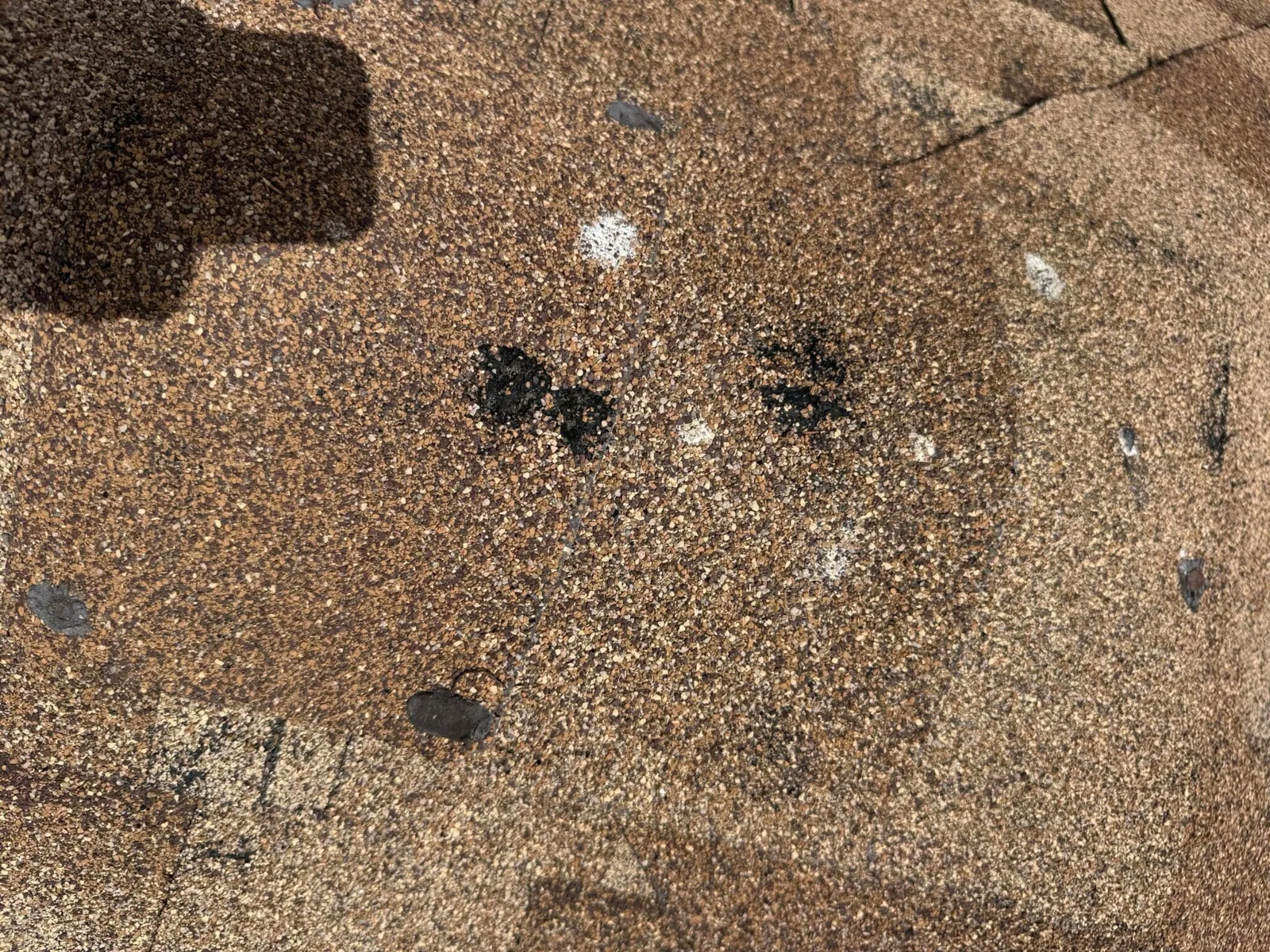
Document the roof after hail
After hail, a roof can look unchanged from the ground and still have damaged surface details. The impact may bruise a membrane, fracture a coating, dent metal, or open a weak seam. We inspect the roof material and compare impact marks with edges, curbs, drains, and interior reports. An April weather service report describes a supercell with large hail moving through the Lafayette-to-Breaux Bridge area, alongside two tornadoes. That report gives regional context, not proof that a particular property sustained damage. A current inspection must show what happened on the building.
Our report uses roof-zone photos and describes the observed conditions. We check whether an impact is cosmetic, has exposed reinforcement, or has created an opening that needs repair. We also note any moisture below the surface. If the roof has wind damage as well, our wind damage inspection records the perimeter and attachment details. For a claim file, roof claim documentation can organize photos and scope notes without predicting an insurer's decision.
Read impact marks by roof material
Hail does not leave the same sign on every roof. A membrane can show punctures, cuts, or scuffs. A coating may crack or lose adhesion. Metal can have dents, displaced fasteners, or damaged seams. An asphaltic surface may show fractured surfacing or exposed reinforcement. We identify the system and check whether the mark affects performance rather than counting marks alone.
We inspect roof edges, corners, equipment curbs, skylights, drains, and seams where impact can combine with existing wear. A damaged curb flashing may be the leak path even if the field membrane looks sound. We record storm date as provided by the property contact, roof condition before the event when known, and visible evidence after it. No claim of a prior roof condition is made without supporting records.
The city lists ASCE 7-16 wind charts among its design-load references for Lafayette commercial work. Hail inspection is separate from design review, but a building project may need both when repairs expand into replacement or structural work. We keep the observed roof damage, repair recommendation, and code questions distinct in the scope.
Check beneath bruised or cracked surfaces
A surface mark matters if it weakens the waterproofing layer or reaches the reinforcement below. We use close visual checks and appropriate probing to see whether a membrane remains intact. For a coating, we look for cracking, exposed substrate, and loss of bond. On metal, we examine panel seams and fasteners rather than assuming a dent has caused a leak.
If moisture is present, we trace the likely path and identify whether insulation or cover board needs opening. A ceiling stain can appear away from the impact because water follows a deck flute or framing. Our drone inspection can help document broad areas, while hands-on review confirms the material at close range. Where conditions support it, an infrared moisture survey can help map suspect insulation.
At the Cajundome and UL Athletic Complex, the University identifies a 243-acre campus area with an arena and convention center. That large venue is one example of a site where access, event schedules, and roof-zone mapping may all matter after a storm. We do not assume the roof type or condition from the facility name. We coordinate access for the specific building and document the inspected area.
Repair the damage the inspection confirms
For a punctured membrane, we prepare a compatible patch that extends onto sound material. A cracked or detached coating may need local removal and reapplication after the substrate is dry and suitable. Metal panel damage may call for fastener or seam repair, formed metal, or a larger panel scope. Asphaltic systems require compatible reinforcement and surfacing. We identify the assembly before selecting the repair method.
If hail has damaged a broad area or the membrane has aged past a reliable repair, a larger replacement conversation may be practical. We document why a patch will or will not hold, where moisture was found, and what can be completed without disturbing sound roof sections. Lafayette's warm weather and humidity affect drying and cure time, so the repair window depends on the surface and forecast as well as crew availability.
Where hail and wind overlap, we mark each type of damage separately. That matters when a loose edge appears beside an impact mark or a branch scrape. The final scope ties work to evidence, such as a specific puncture or seam opening, and avoids treating every roof area as equally affected.
Preserve the roof record after the storm
Keep photos from before and after the event, the date the roof was inspected, and any emergency work completed. A dated roof map helps compare the storm findings with older repairs. Our condition report with photographs can group damage by area, state the inspection limits, and identify follow-up checks. It can also record materials and closeout photos after repair.
Along the Johnston Street-Louisiana Avenue corridor, the city project links businesses, schools, UL Lafayette, and neighborhoods over 8.5 miles. That range of building uses is why the repair visit must account for the actual tenant schedule, equipment, and access route. We coordinate around the property, protect interior space, and explain when a roof area must remain clear while materials cure.
If water is entering now, request emergency roof repair. Our crews respond at any hour, every day. Temporary protection limits exposure while the permanent scope is prepared. We return when the surface is dry and the repair materials can bond as intended.
Separate hail repair from unrelated wear
A good closeout distinguishes hail impact from aging, old patches, and routine surface change. We photograph the completed repair, label the roof zone, and list conditions that remain open. If the inspection finds unrelated ponding or a weak curb, we record it separately rather than adding it to a hail scope without evidence.
Owners near Duson or other Lafayette sites can use the same process: identify the actual roof material, inspect impact, check below where needed, and tie each repair to a clear record. When impact cuts the membrane, our puncture repair work closes the breach. Arrange an inspection if a storm has passed and the roof surface is not fully visible from the ground.
Hail evaluation should use a repeatable map rather than isolated marks. Record roof sections, membrane or metal type, penetrations, and representative conditions, then compare patterns across exposed areas. A dent or surface mark alone does not establish loss of watertightness; inspect seams, flashings, and any resulting water entry. If a test or opening is recommended, document its purpose and location so the owner can connect the finding to the repair decision.
Questions About Commercial Hail Damage Roof Repair
Can hail damage be present without a leak?
Yes. A bruise, crack, or exposed reinforcement can weaken a roof before water reaches the interior. We document the mark and check whether it affects the waterproofing layer.
Do you count hail marks to decide the repair?
A count alone is not enough. Material, depth, bond, age, and moisture all matter. We map representative areas and expand the inspection where findings indicate a broader problem.
Should an inspection happen before temporary repairs?
When safe, photos before temporary work preserve the visible condition. Active water entry still needs prompt protection. We can document what remains accessible and note any area concealed by emergency measures.
Can you inspect both membrane and metal roofs?
Yes. We identify the roof assembly first, then check the surface, seams, fasteners, edges, and penetrations using methods suited to that material.
Will a hail report tell us whether insurance will pay?
No. We document observed roof conditions and work performed. Coverage and claim decisions belong to the insurer and policy process.