
Commercial Roof Leak Repair in Lafayette, LA
Home / Commercial Roofing Services / Commercial Roof Leak Repair
Talk With Our Lafayette Team
Share where the water appeared and what the building needs to keep operating. We can inspect the roof, limit active entry, and document the repair path.
Call 555-555-5555
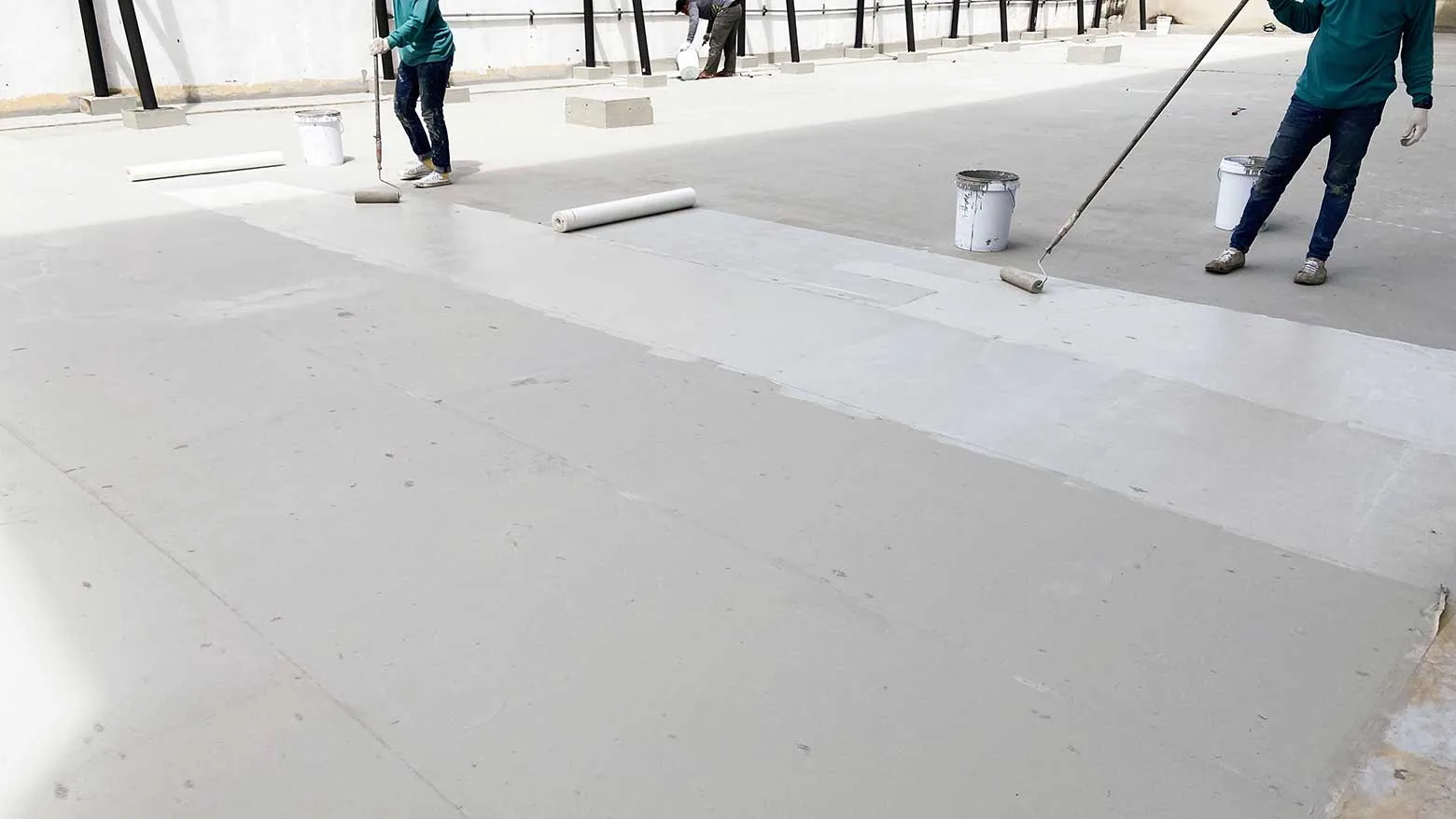
Find the entry point and protect the space
A ceiling tile that darkens after a hard shower gives you a location indoors, not a confirmed entry point. Water may travel across insulation, along a deck, or around a curb before it shows. We start by recording when the leak appeared, what was happening outside, and whether the mark has changed. Then we trace the roof above it. Lafayette, LA, has substantial warm-season rainfall, so prompt protection matters while the actual path is being found.
We check the membrane, seams, drains, wall transitions, rooftop equipment, skylights, and prior repair areas. A leak above an office near Rayne may create different interior coordination needs than one at a warehouse, but the evidence still controls the repair. We document what is wet, where the roof is open, and what detail needs work. Around-the-clock emergency response is available, including nights, weekends, and holidays, for active water entry that needs immediate protection.
Limit water while the path is checked
Inside, move contents away from the affected area when it is safe and mark the stain or drip location. Protect sensitive equipment and notify the person responsible for the building. Do not assume a bucket or a ceiling tile will protect wiring, stock, or finishes nearby. Outside, we look for a safe way to limit entry without trapping water in the assembly or damaging the membrane.
Temporary dry-in is a short-term measure, not a final diagnosis. We note the protected area and what still needs inspection once the roof surface can be worked. Heavy rain can make it unsafe or ineffective to attempt a permanent patch during the first response. We explain what is stable, what needs monitoring indoors, and when the repair crew can return. If water is entering after hours, our emergency line is staffed around the clock, weekends and holidays included.
Trace water back through the roof
We compare the interior symptom with roof details above and around it. Open seams, lifted flashing, split sealant, punctures, loose edge metal, clogged drains, and low areas can all affect the water path. The location of the first drip helps narrow the search, but water can follow a slope or a joint before reaching the ceiling. We inspect the route in manageable sections and record the evidence before disturbing the roof.
Rain direction and timing also help. A leak that appears only during wind-driven rain can point toward a wall transition or roof edge, while water that lingers after a storm may relate to drainage or a saturated layer. That pattern guides the inspection, and we verify the entry point at the roof. Lafayette's Johnston Street-Louisiana Avenue corridor project addresses drainage and movement on a commercial route; on the roof, we likewise trace water to its intended outlet and find where that route changes. Drain and scupper checks can be part of the diagnosis.
Use a repair the membrane can hold
Once the entry detail is identified, the repair has to match the existing system and surface condition. We clean and prepare the area, remove loose material as needed, and tie compatible flashing or membrane into sound roof. A patch over wet or dirty material may not bond. We also check the nearby edge of the repair because water can enter where new work stops if the original detail remains loose or split.
Different failures call for different methods. A puncture, seam opening, curb flashing gap, and loose metal edge should not receive the same treatment. We state whether the work is a temporary stabilization or a permanent correction and photograph the closeout when useful. When the source is a failed lap, a seam-focused repair can address the joining detail. If water enters at a curb or wall, flashing correction may need a wider tie-in than the visible opening.
Check what water left behind
Stopping a leak does not tell us whether moisture remains below the membrane. We look for soft areas, blisters, staining at the deck, and insulation that has lost its integrity. Infrared imaging can identify temperature differences that deserve a closer look, while core cuts can confirm the layers and moisture at selected points. The approach depends on the roof and the decision the owner needs to make.
The airport's long-term climate normals list 60.50 inches of annual rainfall and 7.08 inches for June. Those are context for the local wet season, not a measurement of water inside a particular roof. If a leak has repeated across a broad area, we may recommend mapping suspected moisture before closing the repair. An infrared moisture survey can help show whether the repair stays local or should be part of a wider roof plan.
Coordinate repair around people and operations
A leak repair may require access through a tenant area, a lift near an entrance, or a short shutdown around equipment. We confirm roof access, interior protection, and who will receive updates. For a clinic or professional office, noise and patient or client movement may affect the work window. At a restaurant or retail location, deliveries and public entries matter. The plan should say what the building contact needs to move and what remains open.
River Ranch lists grocery, restaurant, healthcare, banking, and professional tenants among its commercial uses. That range makes clear why one access plan will not suit every property. We set the repair area and daily protection with the owner or manager, then leave a concise record of the completed work. If the interior must stay open, occupied-building phasing practices can guide access and protection during larger follow-up work.
Track a leak that returns
When water returns at the same point, the repair record gives us a useful starting point. We compare the old photos with current conditions, check whether the leak follows a different path, and look for movement or wet material near the detail. If the roof has several repeat failures or insulation is wet in multiple areas, we explain when a repair remains reasonable and when replacement or recover work deserves comparison.
A concise report can keep the history connected to the building. It lists the symptom, roof location, conditions observed, repair performed, and items to revisit. That can help a facilities contact distinguish a new leak from the return of an earlier one. Planned roof repair covers related membrane and flashing issues, while a photo-supported condition record helps place the leak among other roof findings.
Questions About Commercial Roof Leak Repair
Why does a leak show up far from the roof opening?
Water can travel over the membrane, through insulation, or along a deck joint before it reaches the ceiling. The visible mark helps us choose where to begin, then we follow the likely path and inspect nearby seams, curbs, walls, and drains. We document the confirmed entry point separately from areas that still need testing.
Can you stop a roof leak during a storm?
Emergency response is available at any hour, including weekends and holidays. During active rain, the first priority is safe temporary protection and limiting interior damage. A permanent membrane repair may need a dry surface and suitable conditions. We explain what was protected and schedule the corrective work when the roof can be handled safely.
How do you know if insulation is still wet after the repair?
We check for surface clues and may use infrared imaging or selected core cuts when moisture would change the scope. A repaired membrane can stop new water, but it does not dry material already affected. We identify the area tested and explain whether removal, monitoring, or a broader assessment is appropriate.
What should I record when a commercial roof starts leaking?
Note the time, rain conditions, interior location, and any equipment or contents that need protection. Photos from a safe position can help, but do not climb onto a wet roof. Tell us about earlier repairs and whether the leak changes with wind or rain direction. Those details can shorten the search once the roof is accessible.