Warehouse Roofing in Lafayette, LA
Home / Property Types We Roof / Warehouse Roofing
Talk With Our Lafayette Team
Tell us which area is leaking, how the building operates and what repair work has been tried. We will inspect the roof, document the findings and map a practical next step.
Call 555-555-5555
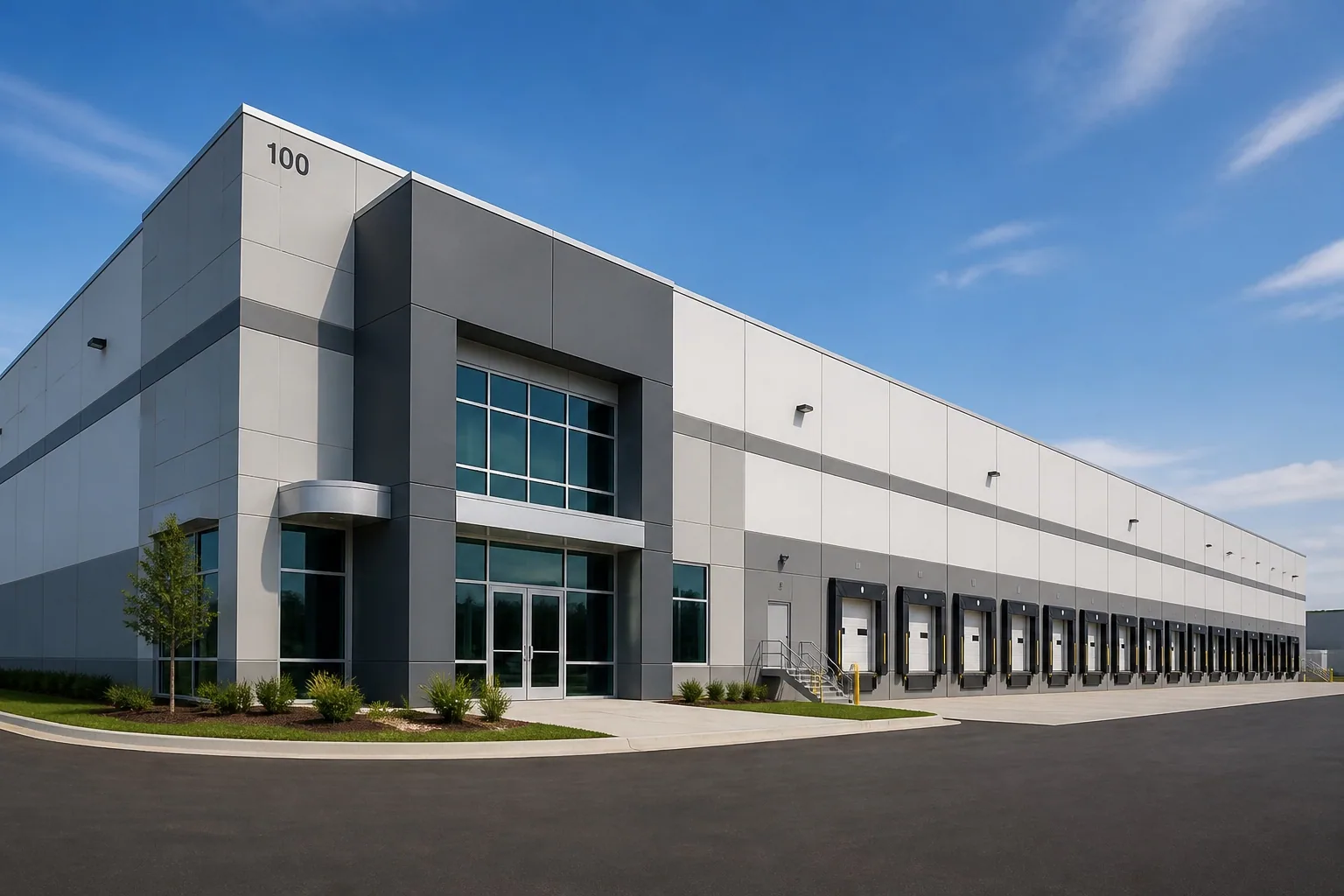
Have a warehouse roof checked
A damp carton near a loading door can start a search across a much larger roof. Warehouses often have long roof runs, equipment, skylights and a busy service schedule. We inspect the membrane or metal panels, trace the water path and check drains before proposing repair. The building's roof history matters as much as the latest ceiling mark.
Lafayette's commercial stock includes business parks and industrial routes. Billeaud Properties in Broussard fronts US 90 and Louisiana Highway 182, while LEDA identifies Industrial Park and Interstate Park among parish business locations. Those districts serve varied operations; they do not tell us which roof system a particular warehouse has. We inspect each property.
Trace the leak beyond the stain
Water can travel along a deck flute, purlin or insulation joint before it drips inside. We begin above the reported area, then check nearby seams, penetrations, wall transitions and low points. A stain beside a rack or loading bay does not identify the roof opening by itself. We document the path we can confirm and mark where further testing may be needed.
Stored goods, packaging and electrical equipment need protection while a leak is active. We discuss the affected aisle, staging limits and safe access with the facility contact. If water is entering during a storm, our emergency response can reach a building after normal hours, including weekends and holidays. We take practical steps to limit exposure, then plan a lasting repair once conditions allow inspection.
A commercial leak repair can address a defined entry point. If the opening is not yet clear, a roof inspection can review the system more broadly. We explain what each visit can establish before setting a work area.
Keep long roof runs draining
Warehouse roofs can carry water across a large area before it reaches a drain or gutter. The National Weather Service reports a 60.50-inch yearly precipitation normal for Lafayette Regional Airport. June’s normal there is 7.08 inches. That local rain pattern makes blocked outlets and low areas worth checking. We look at drains, scuppers, gutters, overflows and the route between them.
Debris can collect at a drain bowl or behind rooftop equipment. A blocked outlet may be a maintenance issue; persistent ponding can point to settlement or insufficient slope. We record which condition we see. Replacing the membrane will not automatically correct a drainage profile, so slope or outlet work should be identified in the scope.
For a warehouse with multiple roof sections, we label drainage areas individually. Drain and scupper work can be planned alongside a repair or replacement. If moisture is suspected below the membrane, an infrared moisture survey may help select locations for further confirmation.
Account for loading and rooftop traffic
Warehouse service areas change as equipment is repaired, signs are installed or ventilation is modified. Each visit can create a new penetration, dropped tool or cut in the roof. We inspect around fans, curbs, conduit, skylights and access paths. If another trade has worked on the roof, we ask what moved and who can address the equipment itself.
Loading activity below also affects project access. Lift placement, truck routes and dock schedules should be reviewed before material delivery. We coordinate with the property contact on staging and work hours. If a roof section sits above active receiving, a phased plan can keep the work boundary clear while crews maintain a dry-in at the end of each shift.
Our equipment curb and support service addresses roofing around units and bases. For a building that remains open, occupied-building reroofing can organize areas, tenant notices and daily protection. The facility team sets any restrictions for forklifts, inventory or deliveries.
Match the repair to the roof system
A warehouse may have low-slope membrane, built-up, modified-bitumen or metal roofing. A distribution building with conveyor lanes and timed receiving needs its own roof plan, as does a distribution center. An industrial process building should be assessed for its operating exposure, with guidance for manufacturing plants. We identify the actual assembly before choosing a repair product. A patch that bonds to one membrane may not suit another. On metal, panel laps and fasteners need a different detail than a single-ply seam.
For membrane systems, we can compare TPO and EPDM with other suitable assemblies. A profiled metal roof may need a metal retrofit assessment. Product selection considers the substrate, rooftop service, edge details and drainage, not just the warehouse label.
At Billeaud Properties, the road and rail connections affect material-delivery planning. They do not establish the roof system, so the recommendation follows inspection findings at the specific property.
Compare repair and replacement scope
A focused repair can make sense when the defect is limited and surrounding material remains serviceable. Repeated leaks across several bays, wet insulation or failing seams can point toward broader work. We map conditions and explain what a repair would leave behind. Owners can then compare a short-term correction with a replacement scope that addresses insulation, edges, flashings and drains.
We document visible conditions with photos and identify concealed items that could change after removal. If deck condition is unknown, the scope should state how the crew will report it and who can approve added work. Those details matter when inventory protection and loading access must be coordinated across phases.
A commercial roof replacement assessment can include the full assembly. A photo-backed condition report can help facilities staff prioritize work across roof areas. We keep immediate leak response separate from longer-range decisions.
Track the roof by section
Warehouse maintenance works better when roof areas have names that match the building plan. We can note dock zones, shipping bays, offices and equipment areas separately. A later inspection can compare the same seam, drain or curb with earlier photographs. The record should include repairs by location and any new work from other trades.
LEDA's business parks support industrial and commercial development across Lafayette Parish. That broad local role does not describe any one roof, but it does make clear why maintenance teams may manage several different facilities. A roof asset record can help keep system details, repair notes and follow-up dates in one place.
Call when water appears near inventory, a drain backs up or a panel detail changes. We will inspect the affected area, explain what the roof shows and recommend a practical repair window. Emergency response is available nights, weekends and holidays for active water entry.
Questions About Warehouse Roofing
How do you protect stock during a warehouse roof repair?
We coordinate the work area and protections with the facility contact, then limit the open roof section to what the crew can secure. If water is active, the immediate plan focuses on the affected inventory zone and safe access.
Can you work while loading docks remain open?
Often, with a schedule that accounts for lift locations, truck paths and dock activity. The property team identifies restricted hours and routes. We set the roof phase and delivery plan around those rules.
Why does a warehouse leak show up away from the roof opening?
Water may travel along the deck or framing before reaching a ceiling. We compare the interior mark with seams, penetrations and drainage above instead of assuming the nearest roof feature caused it.
Should ponding on a warehouse roof be repaired with a new membrane?
First we identify whether the drain is blocked or the roof has a persistent low area. Membrane work and slope correction solve different problems. The inspection report separates them so the scope addresses the cause.
What information helps plan warehouse reroofing?
Share roof records, leak locations, operating hours, inventory restrictions, equipment access and delivery windows. Those details help us define phases, protections and the right sequence before materials arrive.