Commercial Roofing in Johnston Street-Louisiana Avenue Corridor, Lafayette, LA
Home / Service Areas / Johnston Street-Louisiana Avenue Corridor
Talk With Our Lafayette Team
Share the building address, roof concern, and access details. We can inspect the affected area and discuss the repair options.
Call 555-555-5555
Schedule a corridor roof inspection
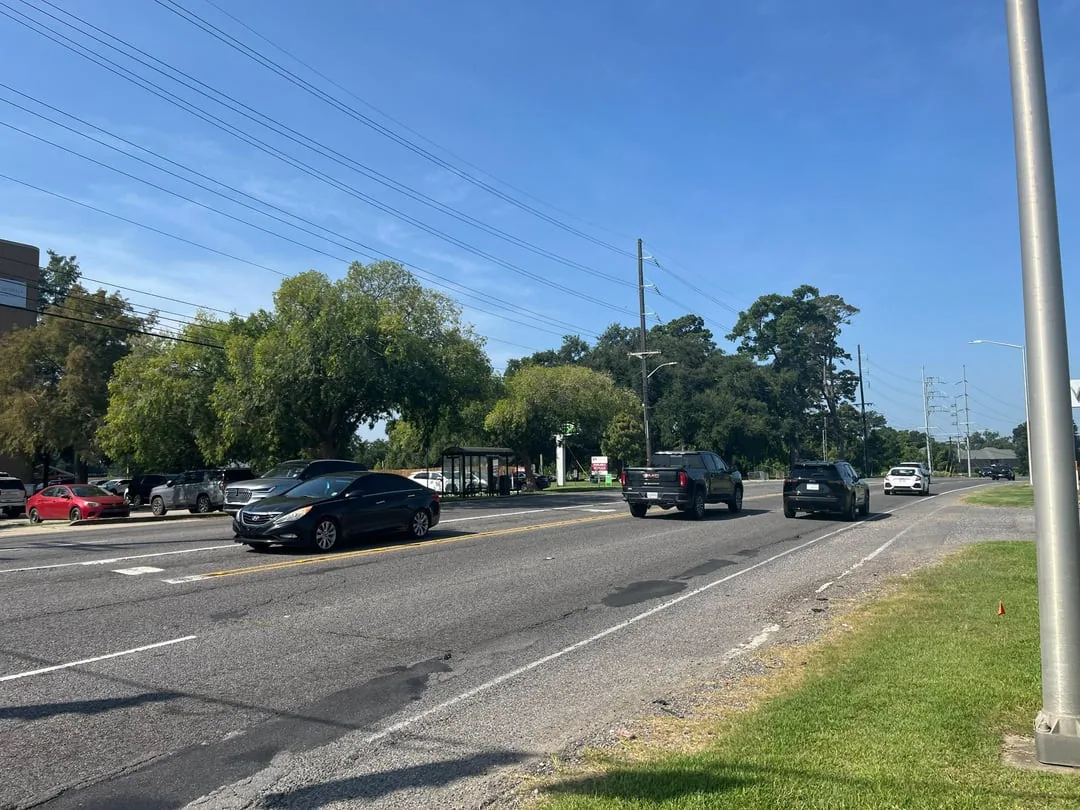
A roof problem along a long commercial route is easiest to manage when the address and building use are clear. Lafayette's Johnston Street-Louisiana Avenue corridor extends 8.5 miles from Louisiana Avenue at I-10 to Johnston Street at Ambassador Caffery. The city describes businesses, schools, neighborhoods, places of worship, food and cinema destinations, UL Lafayette, Moncus Park, and the municipal golf course along the connection. We inspect the specific property in scope, then fit access and repair timing to its operation.
Our walk follows the roof details that can admit water: drains, seams, penetrations, wall transitions, and edge metal. The corridor project also addresses drainage, utilities, safety, congestion, and multimodal access, making a clear ground-level work plan useful when roof access is scheduled. A commercial roof inspection documents roof conditions separately from street work.
Identify the property before planning access
Johnston Street and Louisiana Avenue connect different uses across Lafayette. A retail tenant, school, office, or service business may have different entrances and operating hours. We confirm the exact address, roof access point, area below the repair, and site contact before setting a visit. The corridor's 8.5-mile span is a planning fact; it does not mean every building has the same access or roof assembly.
The city's corridor work includes utilities, drainage, safety, congestion, and multimodal access. If a project area has temporary restrictions, we coordinate the roofing visit with the property contact and use the approved route. We do not assume a construction detour or building condition from the corridor plan. Our service sequence depends on current site instructions, safe staging, and the roof section under review.
For related Lafayette properties, University Avenue corridor service and Church Point address distinct locations. A roof report should attach findings to one address and one roof zone, even when an owner manages several sites along a route.
Track water across seams and outlets
A ceiling mark can show up after water has crossed more than one roof detail. We compare the room or equipment area with the roof above it, then check drains, curbs, parapets, penetrations, and membrane laps. Debris may restrict an outlet. A split seam or failed flashing can let water in nearby. We record each finding and avoid treating the first visible stain as the repair boundary.
The Lafayette airport's long-term record puts June rainfall at 7.08 inches within a 60.50-inch yearly average. That local rain history is a reason to inspect drain paths and overflows, especially where a property reports recurring leaks. It does not tell us how an individual roof drains. We look for standing water, sediment lines, clogged inlets, loose flashing, and soft insulation at the property.
Where moisture may sit below the sheet, we explain whether a survey or selective opening would change the work plan. Wet material can require removal before a compatible patch is installed. Drain and scupper repair can correct a confirmed outlet failure. For a seam that has opened, seam repair follows the material and attachment present.
Coordinate roofing with property activity
A corridor can stay busy while a roof crew works overhead. We ask about deliveries, customer entrances, school or office schedules, and any area that must remain accessible. Those details shape where tools are staged and when materials can move. If interior protection is needed, the property contact identifies the affected room and who can confirm it is ready before work begins.
A short repair on dry, sound material may fit a limited window. Replacing wet board, opening several seams, or bringing a lift onto the site may take longer. We outline the repair sequence and explain if an unexpected condition changes the work area. When street access is affected by a separate public project, the owner or manager can share current site guidance before we schedule equipment.
The route includes UL Lafayette and Moncus Park among the named destinations. At Lafayette, access planning follows the building and its operating contacts. The location reference helps identify the property; inspection still determines roof scope.
Choose the scope from what the roof shows
We identify the membrane or panel type, inspect its condition, and check whether surrounding layers are dry and secure. A focused repair may address a puncture, split, or failed flashing. Repeated leaks or a broad wet area can point toward section work or replacement. Roof height, staging, material compatibility, removal, and interior protection affect timing and cost. We state what is included and what could change once the assembly is opened.
Lafayette's commercial code lists the 2021 International Building Code and the 2021 International Existing Building Code for existing-building work. Project requirements depend on scope and review. We describe the roofing condition and proposed work; the property owner or design team confirms applicable approvals. This distinction matters when roof work overlaps with a larger property or corridor improvement.
For widespread deterioration, commercial roof replacement can compare removal, new insulation, drainage, and access needs. An additional roof layer is considered only when the assembly is dry, attached, and fit to remain. Our recover review tests that option against the inspection findings. A local repair remains an option when the surrounding assembly supports it.
Keep site and roof notes together
A useful work record names the address, roof zone, system observed, repairs made, and any portion not reached. Photos should show the detail with a recognizable reference. We note access instructions, ground-level protection, moisture work, and follow-up items. Those details help a facilities contact see what changed without confusing roadwork notes with roof repairs.
The corridor project includes drainage and utility work, but building roof runoff still needs its own inspection. We check outlets, overflow paths, and the membrane around each connection at the property. A photo-based roof condition report can preserve the observations and recommended action. Preventive visits can return to prior repairs and drainage points as the site schedule allows.
To arrange service along Johnston Street or Louisiana Avenue, send the property address, reported condition, and any access restrictions. We can inspect the roof, explain whether testing is warranted, and prepare a scope from the conditions found. If water is entering, call to discuss a safe first response and temporary protection.
Along the Johnston-Louisiana corridor, commercial roofs sit within a varied mix of customer-facing and service-oriented properties. That makes access and staging part of the repair conversation: identify delivery paths, public entrances, and the building zones below the work. Map roof findings by section, especially where signs, canopies, or equipment interrupt the drainage plane. A clear schedule and protection plan help keep the repair focused while the property remains in use.
Questions About Johnston Street-Louisiana Avenue Corridor
Does the corridor project determine what roof work a building needs?
No. The public project addresses street access, utilities, drainage, and safety. We inspect the building's roof separately and document the specific repair or maintenance need.
Can a roofing crew work during street or utility work?
We confirm the address, approved access route, staging, and current site restrictions with the property contact. A schedule can be set after those details are clear and roof access is safe.
What if a leak is reported in more than one corridor building?
We keep each address and roof zone separate, then compare the systems and conditions found. Shared ownership does not establish shared cause. Photos and notes help maintain a property-specific history.
How do you decide whether to test for hidden moisture?
We consider whether wet insulation could change the repair boundary. If a survey or test opening would affect the patch-versus-section decision, we explain what it can confirm before proceeding.
What information helps schedule an inspection?
Provide the street address, contact for access, affected area, operating hours, and any construction restriction already in place. We confirm the roof route and work window with the site representative.