Commercial Roof Asset Management in Lafayette, LA
Home / Roofing Capabilities / Commercial Roof Asset Management
Talk With Our Lafayette Team
Tell us how many buildings you want to track and where the maintenance history is incomplete. We will inspect the roofs and set out a practical record plan.
Call 555-555-5555
Bring your roof records into focus
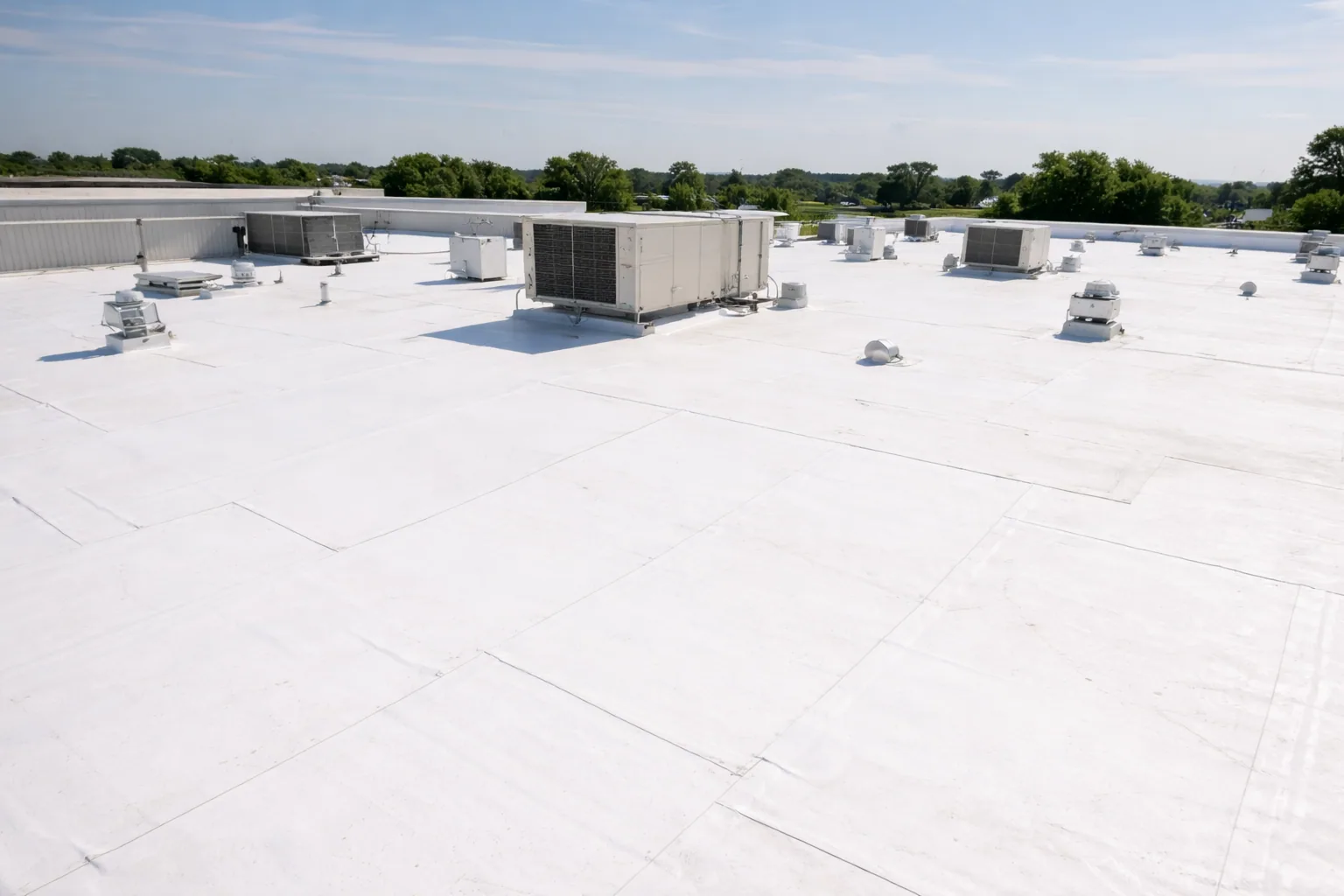
A property manager should be able to tell which roof leaked last month, what was repaired, and what needs another look. When that history lives in separate emails, work orders, and photos, the next decision starts with a search instead of the roof. We help Lafayette owners build a practical record for each building: roof areas, system where known, observed condition, prior work, open items, and next inspection. The record is not a promise about remaining life. It is a way to make roof decisions from conditions that someone can verify.
Lafayette has several types of commercial property, from mixed-use centers to industrial parks and institutional campuses. LEDA manages four business parks across the parish, while UL Lafayette's main plant spans more than 150 acres. Those examples show why portfolio records need building-level detail. We can pair hands-on inspections with written condition reports and scheduled maintenance so the same roof zones can be compared over time.
Give each roof a reliable starting record
We begin with the buildings and roof areas the owner wants to track. For each one, we note the address, access limits, use, roof system if identifiable, approximate areas when supplied, drains, curbs, and known repairs. We do not estimate a roof's age or remaining service life from appearance alone. Existing plans, invoices, warranty papers, and previous reports can fill gaps, but unconfirmed details stay marked as unknown.
For a portfolio near Johnston Street and Louisiana Avenue, a manager may have office, retail, education, and service buildings along one broad corridor. City planning treats the Johnston-Lafayette route as a connector for businesses, schools, and UL Lafayette. A shared service area does not mean the roofs are alike. We label each structure, system, and access point separately.
We can organize the inspection map around roof zones rather than broad statements such as good or poor. A zone might identify an open lap, a clogged drain, a soft area, or a detail that needs closer testing. Photos carry the location and date, so the owner can match the note with the roof. When assembly details remain uncertain, we say so and recommend the next check.
Turn observations into a maintenance list
A useful asset record separates active leaks from conditions that can be monitored. We list what needs immediate attention, what should be checked during routine maintenance, and what calls for more investigation. Each item includes a roof-zone reference and evidence. A wet insulation reading, for example, should show where the reading was taken and whether a direct opening confirmed it.
LEDA's employer list spans healthcare, higher education, public schools, retail, energy services, manufacturing, logistics, and technology. That mix matters to roof planning because operating hours and access needs vary by building. A maintenance task at a school may need a different window from a production facility. We record those constraints with the roof item rather than leaving a manager to reconstruct them before every service visit.
Open tasks can connect to a commercial roof repair, a drain service, or a roof replacement review. For an owner comparing equipment condition with roof details, the work order can include curb or penetration checks. Each task should say what was inspected, what was repaired, and whether a return visit is needed.
Keep repairs connected to the roof map
After a service call, we add the repair date, material used, roof zone, photos, and any follow-up recommendation to the building record. If a temporary patch remains, the file should say so. If a leak returns, the prior notes help us compare the new report with the old repair instead of treating each visit as unrelated.
For properties in Downtown Lafayette or Oil Center, mixed-use occupancy may make interior access and tenant communication part of the repair history. PlanLafayette includes retail, office, service, restaurant, and residential uses in those centers. We record who provided roof access and which interior area was checked, while keeping private tenant information out of the public-facing roof report.
An owner can also track seasonal checks, drain clearing, and recurring seam or flashing concerns. The record should make it easy to find the last condition report, not simply accumulate documents. A multi-site roof program can help standardize how those entries are created across a group of buildings while preserving each roof's individual findings.
Use condition and consequence to set priorities
Priority is more useful when it reflects both the roof finding and what is below it. A small opening over an active room may need faster attention than a broader surface concern that is not allowing water through. We discuss leak activity, moisture extent, system condition, access, and building operations before sequencing work. A record can also note whether an inspection was limited by rain, debris, or restricted access.
Lafayette's annual precipitation normal is 60.50 inches, and June's normal is 7.08 inches. Those figures are a local reason to keep drainage and water-entry items visible in the maintenance record. They do not assign the same risk to each roof. A drain with repeated blockage, a seam with a documented leak, and a dry area with surface wear each calls for a different next step.
When a repair appears to be part of a larger project, we can flag it for capital planning. The manager can compare the repair scope with a recover or replacement review, then decide which budget year fits. We document the evidence and cost drivers without presenting an unverified remaining-life number.
Keep the record useful to the next manager
Roof information should remain understandable when staff changes. We use clear labels, dated photos, plain descriptions, and a short list of open decisions. If a material could not be identified, the file says what testing or opening would confirm it. The next service call can then start with the known conditions and the unresolved question.
At the UL Lafayette Research Park, facilities include laboratories, offices, testing and consulting operations, and technology incubation. Those uses show why asset notes may need to capture access and operating constraints along with roof condition. We do not infer roof materials from the property's purpose. We inspect the actual building and keep its record separate from neighboring sites.
Arrange a roof inspection if your portfolio history is scattered or a repair item has no clear location. We can review existing records, identify gaps, and build a roof-by-roof maintenance view. For system-specific review, we can compare TPO assemblies or modified bitumen roofs with what is installed.
Questions About Commercial Roof Asset Management
What information belongs in a roof asset record?
Start with the building, roof zones, known system, access notes, inspection dates, photos, repairs, and open concerns. Unknown details should be marked for confirmation rather than guessed.
Can you manage records for buildings with different roof systems?
Yes. We identify each assembly where possible and keep its repair history separate. A portfolio view can share reporting fields while each building retains its own roof map and maintenance needs.
How do you decide which roof should be repaired first?
Active water entry, affected interior use, moisture extent, access, and system condition all contribute. We document those factors and recommend a sequence the owner can review.
Can old invoices and reports be added to the record?
They can help establish roof history. We note the date and scope of supplied documents, then verify current conditions during inspection. A past invoice does not establish today's roof condition.
Will asset management tell us the remaining life of a roof?
We do not assign a precise life from a visual visit alone. We describe condition, repair history, moisture findings, and likely planning needs, with limits stated clearly.