
Spray Polyurethane Foam Roofing in Lafayette, LA
Home / Roof Systems / Spray Polyurethane Foam Roofing
Talk With Our Lafayette Team
Tell us where coating has worn or water has collected. We will inspect the SPF surface, transitions and drains, then outline restoration or replacement options for the Lafayette building.
Call 555-555-5555
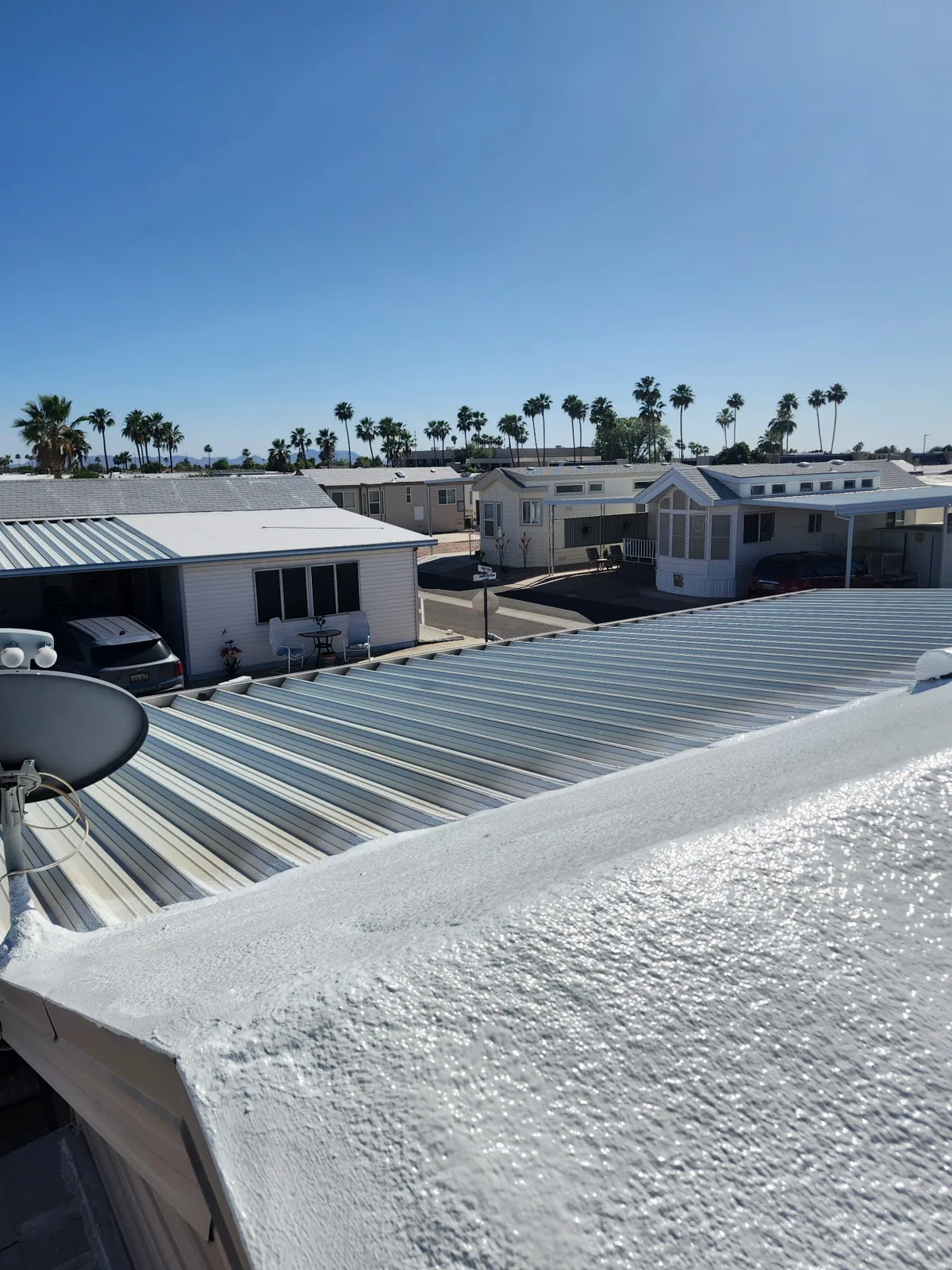
Check the foam and protective coating
A spray-foam roof is not just the foam layer. The protective coating keeps sunlight and water from reaching the cellular surface. A worn coating, open cell or damaged penetration can expose the assembly. We inspect the foam, coating, drains and flashing before recommending restoration. The repair depends on the depth and spread of the damage.
Commercial roofs near Lafayette Regional Airport, Sugarland Business Park and the University of Louisiana at Lafayette vary in use and layout. We review the roof on the property, its maintenance history and how water moves across it. Then we explain whether the existing SPF system can be restored or needs broader work.
Inspect the foam profile
Spray polyurethane foam is applied as a liquid that expands into a cellular layer. The installer shapes the surface to create slope and transitions, then protects it with a coating. We look for exposed foam, erosion, impact damage, soft spots, open cells and ponding. A small mark in the coating may be superficial; a cut into the foam calls for a closer assessment.
We also check the foam's profile around drains, curbs and penetrations. A damaged area near an outlet may collect water or reveal whether the slope still directs runoff. Foam can be cut and rebuilt in selected areas, but the new profile must tie into sound material. A surface-only patch will not restore lost slope.
Older repair layers can affect adhesion and appearance. We note patch edges, coating changes and areas with recurring wear. If moisture is suspected below the SPF, we identify the need for further testing before assigning a repair boundary. The report should separate observed coating damage from conditions that are not visible.
Check the protective coating
Coatings protect foam from ultraviolet exposure and weather. We inspect for cracking, erosion, exposed granules, peeling, pinholes and thin coverage around edges. The selected coating type and thickness requirements depend on the product system and roof condition. We identify existing material where records allow, then check whether the surface can accept another application.
Preparation matters. The roof may need cleaning, removal of loose coating, foam repair and treatment of seams or transitions. Applying material over dirt, moisture or loose coating can lead to poor adhesion. We describe the preparation in the scope instead of treating the coating as a uniform top layer.
Acrylic systems and silicone systems have different application characteristics. We can compare acrylic roof coatings and silicone coatings against the SPF assembly and drainage. The product requirements, existing coating and expected water exposure guide selection. No coating should be specified without confirming the roof can accept it.
Follow runoff and ponding
SPF roofs depend on a shaped surface to move water toward outlets. Lafayette Regional Airport normals record 60.50 inches of annual precipitation, and June's monthly normal is 7.08 inches. That climate context makes drain access and coating continuity worth checking. We inspect low areas, drains, scuppers and overflow routes as part of the same roof review.
Standing water may indicate a blocked outlet, a change in foam profile or a settled area. The cause matters. A coating can protect a suitable surface, but it cannot correct an incorrect slope. We document the ponding footprint and recommend cleaning, localized foam work or further evaluation based on what is visible.
For a drain concern, drain and scupper service can identify the detail. A roof inspection can put coating wear in context with curbs, parapets and interior leak history. We explain whether work should begin with drainage, substrate correction or coating restoration.
Restore penetrations and transitions
Pipe boots, equipment curbs, skylights and wall terminations interrupt the foam surface. We check coating continuity around each detail, look for open joints and confirm that the foam is not breaking away at the edge. Mechanical service can disturb a protective coating, especially when contractors add a support or route new lines across the roof.
We mark penetrations that need repair and note whether another trade must secure or reposition equipment. Our equipment-curb service addresses roofing transitions around rooftop units and supports. The mechanical contractor remains responsible for unit connections and operating equipment.
At a mixed-use property such as River Ranch or near Acadiana Mall, access may involve multiple tenants or service vendors. We coordinate with the building contact and keep repair boundaries clear. The work plan should state which roof zones are accessible and what protections apply below.
Decide between restoration and replacement
Restoration may suit an SPF roof when the foam remains sound, moisture is limited and the coating can be prepared for renewed protection. A representative inspection may include adhesion checks or other product-specific tests. If foam is wet, soft or extensively damaged, coating over it may leave a weak layer beneath the repair.
We compare the amount of foam repair, coating preparation, drainage correction and detail work with a replacement option. A roof coating restoration scope should identify surface prep, foam rebuilding, coating system and expected maintenance. If the roof cannot be restored, replacement planning can address insulation, deck, edges and drainage in a new assembly.
SPF roofs often need planned inspection because coating wear can expose foam gradually. A maintenance visit can record coating condition and detail changes. Lafayette's warm, wet climate gives owners a reason to watch exposed foam and water paths, but each roof's maintenance interval should follow its actual condition.
Keep a restoration record
We record foam condition, coating type where known, repair locations and areas where water remains. Photographs help the owner compare coverage and damage on a later visit. If a roof has been restored before, we note the visible layers and ask for product records that may guide future preparation.
Properties near Sugarland Business Park and the airport corridor have distinct access and operating needs. The local reference does not tell us how an individual foam roof was installed. We identify the site, roof zones, details and maintenance history in the report.
Call when coating peels, foam becomes visible or a leak returns near a drain or curb. We will inspect the surface and explain whether restoration can address the condition or whether replacement should be considered. If water is coming inside, we can respond outside normal hours, including weekend and holiday calls.
Questions About Spray Polyurethane Foam Roofing
Can exposed SPF be recoated without replacing the foam?
Sometimes. We check how much foam is exposed, whether it is dry and stable, and whether the surrounding coating can accept new material. Damaged or wet foam must be corrected before a protective coat is applied.
How can I tell if an SPF roof coating is worn out?
Peeling, cracking, thin areas, exposed granules or visible foam need inspection. We check the full surface and transitions because a single worn spot may differ from widespread coating loss.
Does silicone coating fix ponding on a foam roof?
No coating creates slope. We inspect the drainage profile and outlet first, then explain whether cleaning, foam reshaping or coating work is needed. Product selection follows the existing system and water conditions.
Can you apply acrylic over silicone?
Compatibility depends on the specific products and preparation requirements. We identify the existing coating and follow the selected system's instructions before proposing another layer.
How do you repair a damaged foam area?
We remove unsound material as needed, rebuild the profile with compatible foam and restore protective coating. The repair must tie into stable material and preserve the intended drainage path.