
Acrylic Roof Coatings in Lafayette, LA
Home / Roof Systems / Acrylic Roof Coatings
Talk With Our Lafayette Team
Tell us what roof system is in place and where coating has failed. We will inspect the surface, drainage and details, then explain whether restoration fits the Lafayette property.
Call 555-555-5555
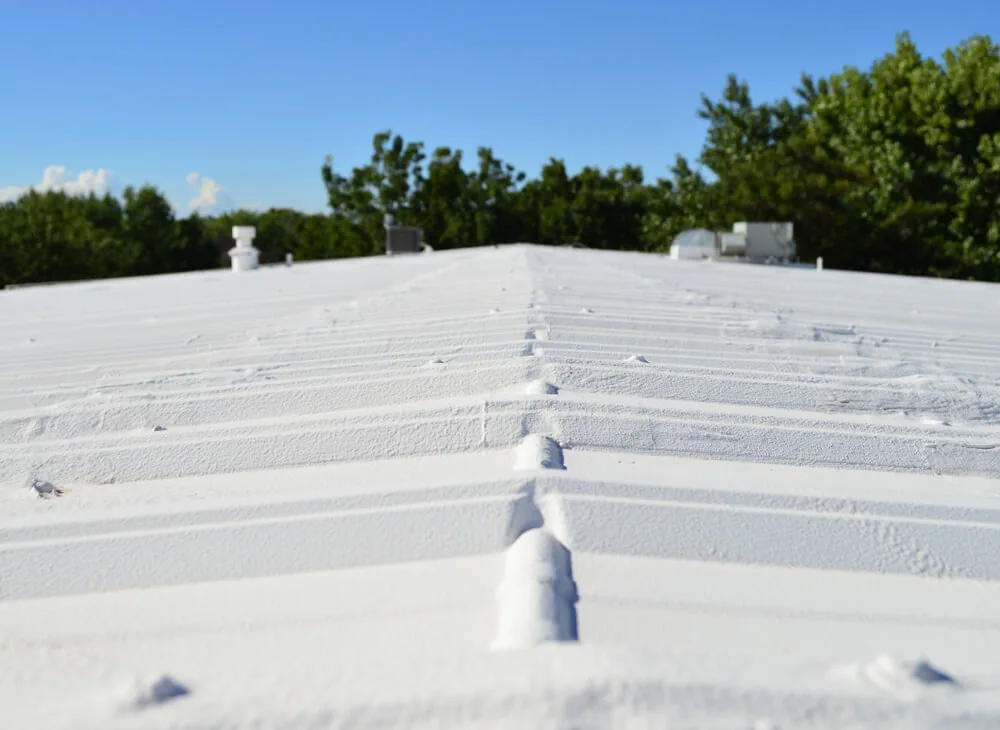
Check the roof before coating
Acrylic coating can refresh a roof only when the existing surface is ready to receive it. Loose material, trapped moisture and open flashing need attention first. We inspect the substrate, repair history and drainage before discussing an application. A coating is a system with preparation requirements, not a paint layer that makes every roof serviceable.
Buildings near UL Lafayette Research Park, Church Point and the Johnston Street-Louisiana Avenue route have varied operations and roof designs. We check the specific surface and explain what restoration can accomplish on that property.
Test the surface before coating
Acrylic coatings can be used on compatible commercial roof surfaces when the substrate is clean, stable and dry. We identify the existing roof material and any prior coatings. If the surface has loose granules, chalking, oil, dirt or incompatible patches, preparation can take more work than a simple rinse. The proposal should state how those conditions will be handled.
We inspect membrane seams, metal fasteners, parapets, curbs and drain areas. Open joints and loose flashing are repaired before field application. Where coating adhesion is uncertain, system-specific testing can inform whether the roof is a candidate. We do not coat across a leak or assume the visible roof is dry below.
On a metal building, fastener washers and panel laps may need repair. On a membrane assembly, seam condition and past patch materials matter. On a porous or weathered surface, primer or reinforcement may be required. The product instructions determine the preparation, application rate and cure conditions.
Plan for application conditions
Acrylic application needs the right surface and weather window. Rain before the coating cures can affect the finished film, so the crew follows the product's temperature, moisture and drying requirements. Lafayette's June rainfall normal is 7.08 inches at the airport, the highest monthly figure in the local table. That wet-season context makes forecast review and daily closeout a practical part of scheduling.
We check the roof before each work area begins. A damp surface, dew, an approaching shower or heavy moisture can shift the sequence. The crew should stop at a boundary that can be protected, keep drains open and secure materials before leaving. The schedule must account for application and drying conditions, not just the roof area.
Warm weather can also affect application and curing. The coating manufacturer sets the acceptable conditions. We identify the product and follow those requirements rather than apply at a time that only suits the calendar.
Review water exposure and runoff
Acrylic coating may be suitable for roofs that drain properly, but it is not the answer to chronic ponding. We check slope, outlets, scuppers and areas where water collects. The roof must shed water as intended and remain within the selected system's exposure limits. If water is trapped, we evaluate drainage correction before discussing a coating layer.
Lafayette Regional Airport's long-term climate record includes 60.50 inches of annual precipitation. That figure is local context, not a substitute for observing the roof. We note the actual low areas, outlet condition and any coating breakdown near standing water. Drainage work may need its own scope.
For blocked or deteriorated outlets, our drain and scupper service can document the condition. If the roof has wet insulation or active leaks, moisture survey work may guide further checks. We explain the limits of each test and do not make a coating recommendation from a scan alone.
Compare acrylic with other roof systems
Coating choice depends on the substrate and how water reaches the roof. Acrylic products may suit some surfaces when drainage and cure conditions support them. Silicone coating has different water-exposure characteristics, while a membrane such as TPO replaces the roof's exposed field layer. We compare the actual work and limitations, not just the names.
A roof with split seams, saturated insulation or failed edges may need repairs or replacement before any restoration. A coating restoration assessment can review preparation and compatibility. If the assembly is too deteriorated, replacement planning may be a more complete solution.
We also consider rooftop use. Equipment service, foot traffic and future penetrations can damage the coating if access is unmanaged. We identify walk paths and details that may need reinforcement, then note who will coordinate later trade work. The owner should know how the restored roof will be maintained.
Set a clear restoration scope
A coating proposal should name the roof area, preparation method, repairs, product, required application rate and inspection steps. It should identify how seams, penetrations and edges will be treated. If cleaning reveals loose coating or hidden damage, the scope should explain who reviews the finding and authorizes additional work.
That clarity helps property teams compare restoration with replacement. The scope also needs assumptions about access, staging, weather delays and protecting drains. We document visible roof conditions with photos and record areas that cannot be confirmed without opening the assembly.
Access needs change between downtown offices and retail blocks near Acadiana Mall. We confirm the work window with the property contact. A commercial roof in one of these areas may sit above retail, service, office or residential use. We coordinate work windows with the site contact and outline any access or occupancy constraints before application.
Maintain the coating after the work
After application, roof inspections should look for peeling, cracks, exposed substrate, new penetrations and blocked drainage. Contractors working above the coating need clear access rules. A service visit that cuts or scrapes the surface can shorten the value of the restoration if no one records the change.
We can document the finished work with a photo-backed condition report. Planned maintenance visits can revisit drains and transitions and note wear before it spreads. The interval should reflect the roof's condition, exposure and product guidance.
UL Lafayette Research Park includes laboratories, offices and testing operations. That local building mix reinforces the need to coordinate access with the facility team, but it does not tell us what coating is present. We inspect the roof and follow the actual product records and operating requirements.
Call when coating lifts, water remains or a repair has opened through the surface. We will inspect the substrate and drainage, explain the findings and outline a practical next step. Emergency response is available nights, weekends and holidays for active leaks.
Acrylic coatings need conditions that allow preparation and application to proceed as specified. Confirm that the roof is clean, dry, and compatible, and that repairs to seams and penetrations are included before the field coating begins. Weather windows matter because application and curing depend on conditions; a phased plan should explain how open work is protected if the schedule shifts. Compare the system with the building's drainage pattern and expected exposure rather than treating coating as a universal answer.
Questions About Acrylic Roof Coatings
Can acrylic coating be applied during the rainy season?
Only when the product's application and cure conditions can be met. We review the forecast and surface moisture, then schedule manageable areas with a secure stopping point if conditions change.
Will acrylic coating fix a ponding area?
No. We inspect the slope and outlets first. If water sits because of a low area or blocked drain, that condition needs correction before coating is considered.
Can acrylic go over a metal roof?
Some systems are intended for compatible metal surfaces, but fasteners, corrosion, laps and coating adhesion need review. We prepare and repair the roof according to the selected system requirements.
What if the existing coating is peeling?
Loose material must be removed or otherwise addressed before new product is applied. We identify the cause and test compatibility so the next layer bonds to a stable surface.
Is coating less disruptive than replacement?
It may avoid some removal work when the roof qualifies, but preparation, repairs and weather windows still affect schedule. We compare the complete restoration scope with the replacement work needed for your roof.