
Silicone Roof Coatings in Lafayette, LA
Home / Roof Systems / Silicone Roof Coatings
Talk With Our Lafayette Team
Share the roof type, leak history and areas where water remains. We will inspect the existing surface and details, then explain restoration or replacement options for your Lafayette property.
Call 555-555-5555
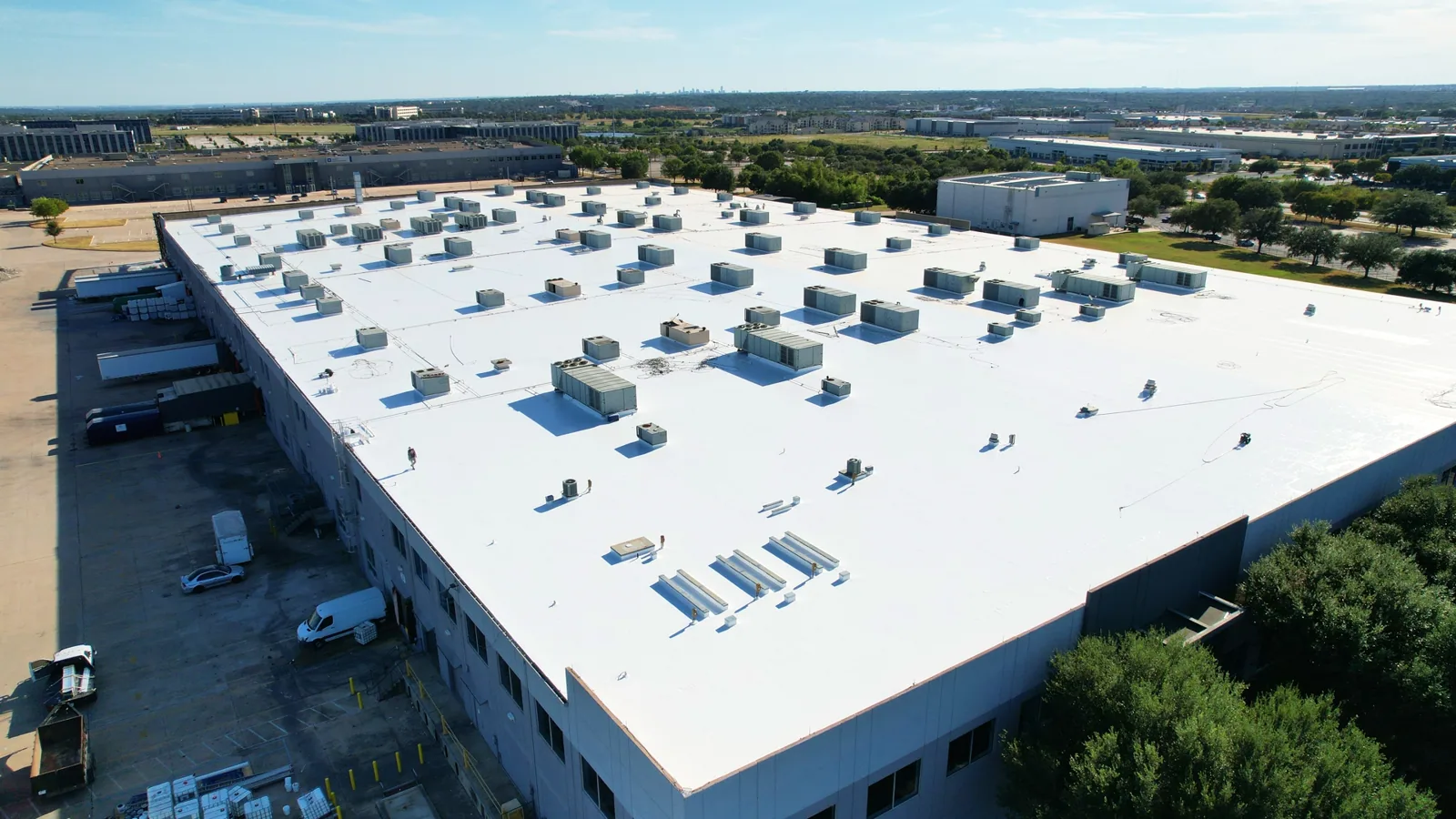
Check whether coating is suitable
A silicone coating is a restoration option, not a shortcut over a failing roof. The existing surface must be sound enough to prepare and accept the coating. We inspect seams, penetrations, moisture, ponding and old repairs before discussing an application. If the substrate is weak or wet, a new top layer will not make it sound.
Lafayette's heavy rain makes water management part of that review. Buildings near Johnston Street, Oil Center and the Broussard US 90 corridor have different roof systems and operating needs. We inspect the actual assembly and explain where silicone may fit.
Confirm what the coating will bond to
Silicone coatings can be applied over selected existing roofing systems when the surface is compatible, clean and properly prepared. We identify the roof material, past coatings and repair patches. Where records are missing, we test or investigate the surface before setting the scope. A coating should not bridge loose material, active leaks or wet insulation.
Preparation can include cleaning, removing failed coating, repairing seams and flashing, and priming specific areas. The exact steps depend on the system selected. We describe them in the work plan so the owner knows what surface is being treated and what repairs are included. If old materials resist adhesion, the plan may need a different approach.
On metal roofs, fastener heads, panel laps and corrosion receive attention before coating. On a membrane roof, seams, patches and penetrations may need detail work. On SPF, exposed foam must be repaired and protected. The coating material does not erase the assembly differences below it.
Evaluate ponding without ignoring slope
Silicone systems may be considered where water exposure is a concern, but coating does not create positive slope. We inspect low areas, outlets, scuppers and overflow routes to determine why water remains. June averages 7.08 inches in the airport's weather table; the full-year precipitation figure is 60.50 inches. That local rainfall pattern makes drain access and surface conditions relevant to a coating decision.
A pond may result from a blocked drain or from a roof surface that directs water poorly. We note the depth and location where visible, check surrounding seams and look for repeated staining. If a slope correction is needed, that work should be considered before a coating is applied. We do not promise that a coating will cure ponding or a structural issue.
For outlet concerns, drain and scupper service can be included in the review. If a leak has reached the interior, commercial leak repair can stabilize the entry point. Those steps help establish whether restoration remains a reasonable option.
Check the roof type and project use
Coating systems differ by chemistry, substrate and application conditions. Silicone may be considered over selected metal, membrane or foam roofs. The product's technical data and warranty requirements govern compatibility, coverage and surface preparation. We review those documents alongside the building's use, expected traffic, existing coating and planned maintenance.
Some roofs need a different system. Acrylic roof coatings have their own application and water-exposure considerations. SPF roofing pairs a foam layer with a protective surface coating. The existing assembly and manufacturer requirements determine what can be applied; one coating is not a universal replacement for another.
At a warehouse or light industrial property near the Broussard US 90 energy corridor, rooftop equipment and service paths can affect coating wear. On an office or mixed-use site along the Johnston Street-Louisiana Avenue corridor, access and tenant scheduling may matter. Those location references inform planning, while inspection establishes the roof facts.
Repair details before the coating
Seams, edges, curbs and penetrations usually need attention before field coating. We mark areas that are loose, cracked, contaminated or wet. Repairs may require compatible sealant, reinforcing fabric or membrane detail work according to the coating system. The scope should identify the preparation and repairs rather than price only a surface application.
If defects extend through the roof or insulation is saturated, restoration may leave too much failed material in place. We compare repair scope and condition with a replacement. Our roof coating restoration service can assess a candidate roof. When a broader project is indicated, replacement planning can address insulation, deck, flashing and drainage as part of one assembly.
A written proposal should describe the coating, preparation, detail reinforcement and inspection steps. It should also state what happens if surface conditions differ after cleaning. We document concealed conditions and seek direction before extending the work beyond the agreed area.
Plan application and weather windows
Coating application depends on surface temperature, moisture, dew and forecast. We follow product requirements and avoid applying over a wet or unsuitable substrate. Lafayette's warm season and frequent rain call for a practical look at the work window. We plan how the crew will stop at a sound boundary if conditions change and protect any repaired areas before leaving.
Application method and coverage vary by system. The proposal should name the product and required rate, along with the surface preparation and detail work. We do not treat a single coat count as suitable for every roof. Existing texture, repairs and substrate can change material use and labor.
Before mobilizing, the property contact should confirm roof access, staging, tenant notification and any restrictions on equipment shutdown. We can coordinate around an occupied building, but the owner identifies critical operations. The crew follows the agreed access route and keeps coating materials away from drains and occupied areas.
Inspect the coating after restoration
A coating still needs observation. We check for wear, blisters, peeling, cracks, open seams and new penetrations. Debris should be cleared from drainage areas, and service crews should avoid damaging the finished surface. The record should identify the applied product and repair locations so later work can follow compatible requirements.
Our commercial roof inspection can document the coating and nearby details. A scheduled maintenance visit can track changes over time. That record is useful for properties in mixed-use centers such as Oil Center, where roof access may involve multiple occupants and service vendors.
Call when the coating peels, water remains after rain or a roof detail changes. We will inspect the surface and explain whether a repair is enough or the existing assembly has moved beyond restoration. Emergency response is available nights, weekends and holidays if water is actively entering the building.
At closeout, record the product, preparation completed, repair locations, and any area excluded from coating. A later inspection can compare wear and new penetrations with that baseline and identify maintenance before a small defect spreads.
Questions About Silicone Roof Coatings
Can silicone coating be applied over ponding water?
The product may tolerate certain water exposure, but standing water still deserves a drainage review. We check slope, drains, seams and the reason water remains before deciding whether coating is suitable.
Can silicone go over any commercial roof?
No. The substrate must be compatible, stable, dry and properly prepared. We identify existing materials, repairs and moisture conditions before proposing an application.
Does silicone coating stop every roof leak?
No coating can correct every source of water entry. We repair failed seams, flashing and penetrations, and address wet or loose substrate before the field is coated.
How do silicone and acrylic coatings differ?
They have different chemistry and water-exposure characteristics. We compare product requirements, substrate, drainage and project conditions before recommending either system.
What does a coating proposal include?
It should identify preparation, repairs, product, application requirements and how concealed conditions will be handled. We document the proposed area so the owner can compare restoration with replacement.