
Commercial Tornado Roof Damage Repair in Lafayette, LA
Home / Roof Damage Repair / Commercial Tornado Roof Damage Repair
Talk With Our Lafayette Team
Once the site is safe, tell us what moved and where water appeared. We will document conditions and discuss the right repair sequence.
Call 555-555-5555
Arrange a post-tornado roof inspection
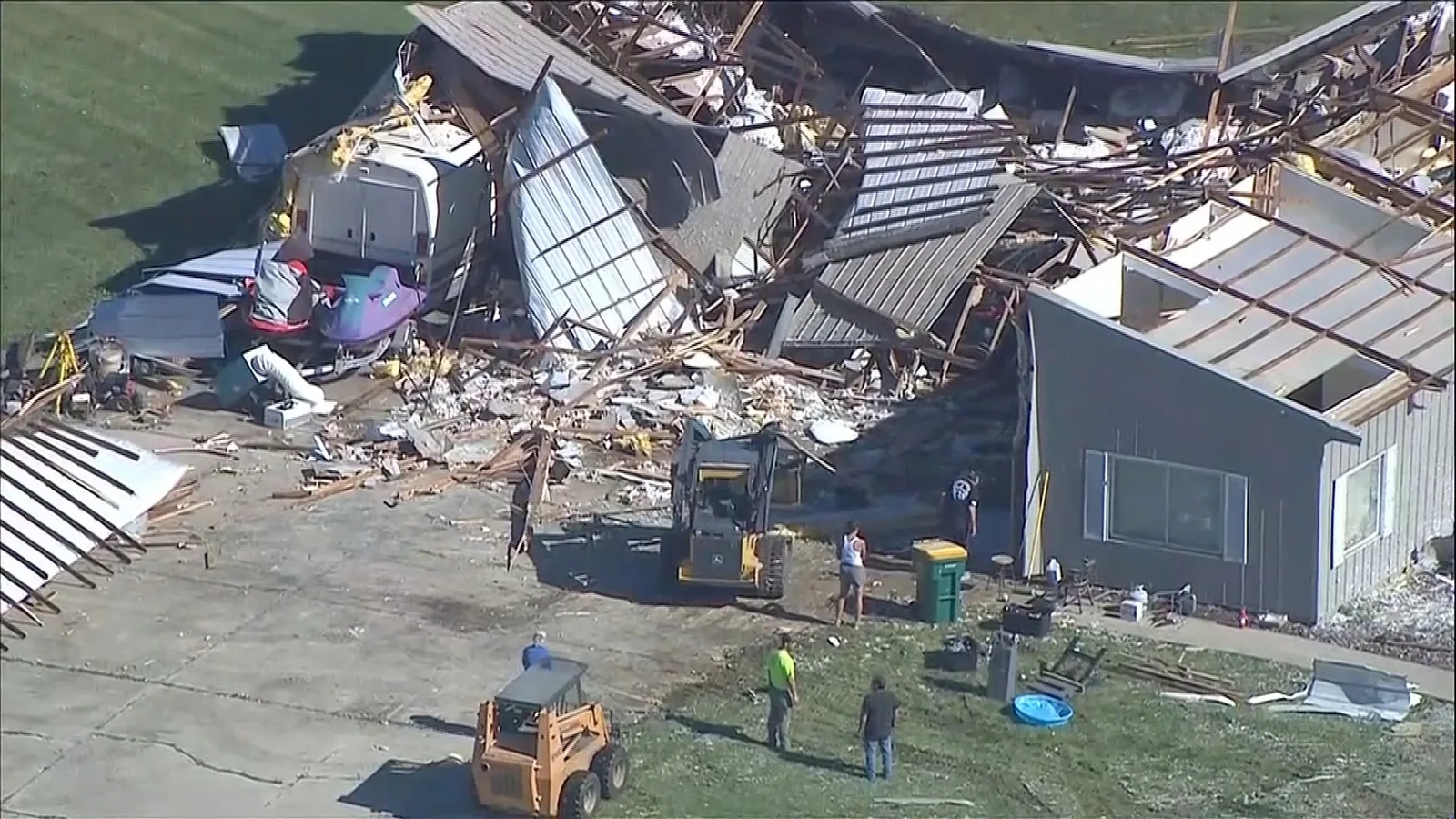
A tornado warning may clear before anyone can see what moved on the roof. A displaced cap, torn membrane, or dented unit can leave a small opening that takes on water in the next storm. We inspect from a safe access point after local officials and the property contact allow entry. The weather service event archive places a tornado in Lafayette on January 25, 2004, and separately records flash flooding in Carencro in 2012. Those entries establish regional severe-weather history, not damage to a particular building.
We photograph visible impacts, check for loose material, and map the roof zones that need another look. If an opening is active, our emergency roof repair service can provide safe temporary protection. Permanent work follows after debris is cleared and the surface is ready. A related wind damage assessment can record edge attachment and membrane movement without assuming every finding came from the tornado.
Wait for safe access and a clear work zone
Roof access follows the safety plan for the property. We do not climb through unstable structures, loose electrical lines, or a restricted fire or emergency zone. The building contact confirms which doors, ladders, and roof routes can be used. If the roof remains covered with debris or standing water, we document what can be seen and return when conditions permit a closer inspection.
We look for damaged power equipment, HVAC units, antennas, and other rooftop items before moving across the field. A displaced object can hide a puncture or create a sharp edge. We mark those hazards, keep crews clear, and coordinate a mechanical or electrical review where needed. The roofing scope begins only when the work area is released.
For schools and civic facilities in Lafayette, city code lists the 2021 International Building Code and 2021 International Existing Building Code among applicable references, with stated exclusions and local procedures. We document roofing conditions and leave applicable code review with the project team and local authority.
Follow impact from the edge to the interior
Tornado force can carry debris, lift edge details, open seams, or shift rooftop equipment. We inspect corners, coping, termination bars, field laps, curbs, skylights, drains, and metal flashings. Scrapes and impact points can be smaller than the damage below them. We probe the surrounding membrane where appropriate and check attachment where a sheet has lifted.
Inside, a new ceiling mark or wet material can help focus the roof search. Water may move along the deck before it becomes visible. We compare the interior location with the roof plan, then note whether insulation is wet or the leak source remains uncertain. Our roof condition report can include labeled photos and repair limits. If roof access is difficult, a drone inspection may document broad surfaces before hands-on review.
Downtown Lafayette is a mixed-use center with office, retail, services, restaurant, and residential buildings in the city plan. That mix can mean people remain in nearby spaces during repairs. We plan the affected roof zone and interior protection with the property contact, not from the district name alone.
Choose temporary cover or permanent restoration
When a membrane is open, a temporary cover may reduce water entry until a permanent patch is possible. Its attachment depends on the roof surface, wind forecast, and access. We mark its placement and limitations, then set a return step. A temporary measure is not represented as a completed roof repair.
Permanent repair depends on the installed system. We identify TPO, PVC, EPDM, modified bitumen, built-up, metal, or a coating before choosing a compatible detail. A membrane patch must extend onto sound material. Bent or loosened coping may need to be reset or replaced. Wet insulation may need removal and a dry tie-in. Our edge metal repair addresses roof perimeter damage, while a cover-board repair can restore affected layers.
If a roof zone has several tears or broad attachment loss, repeated small patches may not be the right scope. We map the affected area and show the owner where a replacement section begins. Material availability, drying, lifts, debris disposal, and mechanical shutdowns influence the schedule. The written estimate states those drivers and any concealed conditions that may change the work.
Sequence work around people and critical equipment
Commercial properties can remain partly open after severe weather. We agree on roof access, loading or delivery routes, noisy work, and rooms needing protection. If rooftop equipment must stay operating, we coordinate around it; if a shutdown is needed, the building team sets that window. We also plan how debris leaves the property and where materials can be staged.
The Johnston Street-Louisiana Avenue project spans 8.5 miles and connects downtown, UL Lafayette, schools, and businesses. The corridor's range of destinations reinforces a practical field point: each address needs its own access and occupancy plan. We can sequence roof zones to keep an entry open or isolate one section while other parts of the building remain in use.
After the immediate repair, we can arrange preventive roof maintenance to check the repaired area and nearby seams. A follow-up after rain can show whether water entry has stopped. If several buildings are involved, a marked record keeps the owner from mixing one roof's findings with another's.
Keep the storm record tied to the roof
We provide repair photos, materials used, roof-zone labels, and any follow-up needed. The report identifies which surfaces were hidden or unsafe during the first inspection. If a later visit finds a second condition, we record it as a separate observation. The owner can compare the record with pre-storm photographs, maintenance notes, and interior restoration work.
Near Downtown Lafayette, in a school building, or at an industrial property, the same core steps apply: inspect the actual roof, protect openings when safe, and set repair limits from evidence. Tornado history in the area is a reason to prepare, not a substitute for a site inspection. If hail damaged the same roof, we can also document hail impact separately. Call once the roof is accessible and describe what changed.
Tornado damage can leave mixed conditions across a single roof, from displaced components to punctures and debris impact. Mark each observed condition by section, photograph it before cleanup where safe, and note temporary protection already installed. Check the edges and openings around the visibly affected zone because movement can stress adjacent details. A phased scope should identify what restores weather protection now and what further evaluation must precede final reconstruction.
Questions About Commercial Tornado Roof Damage Repair
Can crews inspect the roof immediately after a tornado warning?
Only after emergency authorities release the site and the building contact confirms safe access. We can discuss temporary steps while the roof remains restricted, then inspect when hazards are cleared.
What should be photographed before cleanup?
From a safe location, photograph displaced material, interior leaks, and the general roof area if visible. Do not climb onto a damaged roof or move electrical equipment. We document the accessible conditions during inspection.
Will one loose edge mean the whole roof needs replacement?
No. We inspect the attachment and surrounding membrane, then mark the area that remains sound. A localized repair may fit; broad movement or wet insulation can expand the scope.
How do you prevent additional water entry while repairs are planned?
We assess temporary protection based on the surface, weather, and safe fastening points. The measure is documented and followed by permanent repair when materials and conditions allow.
Can you give us a cause report for an insurer?
We document roof conditions, photos, and work completed. We can separate observed storm damage from unrelated wear, but coverage and claim decisions remain with the insurer.