
Commercial Roof Capital Planning in Lafayette, LA
Home / Roofing Capabilities / Commercial Roof Capital Planning
Talk With Our Lafayette Team
Share the buildings and budget decision you are facing. We will inspect the roof, compare practical options, and document the assumptions behind each path.
Call 555-555-5555
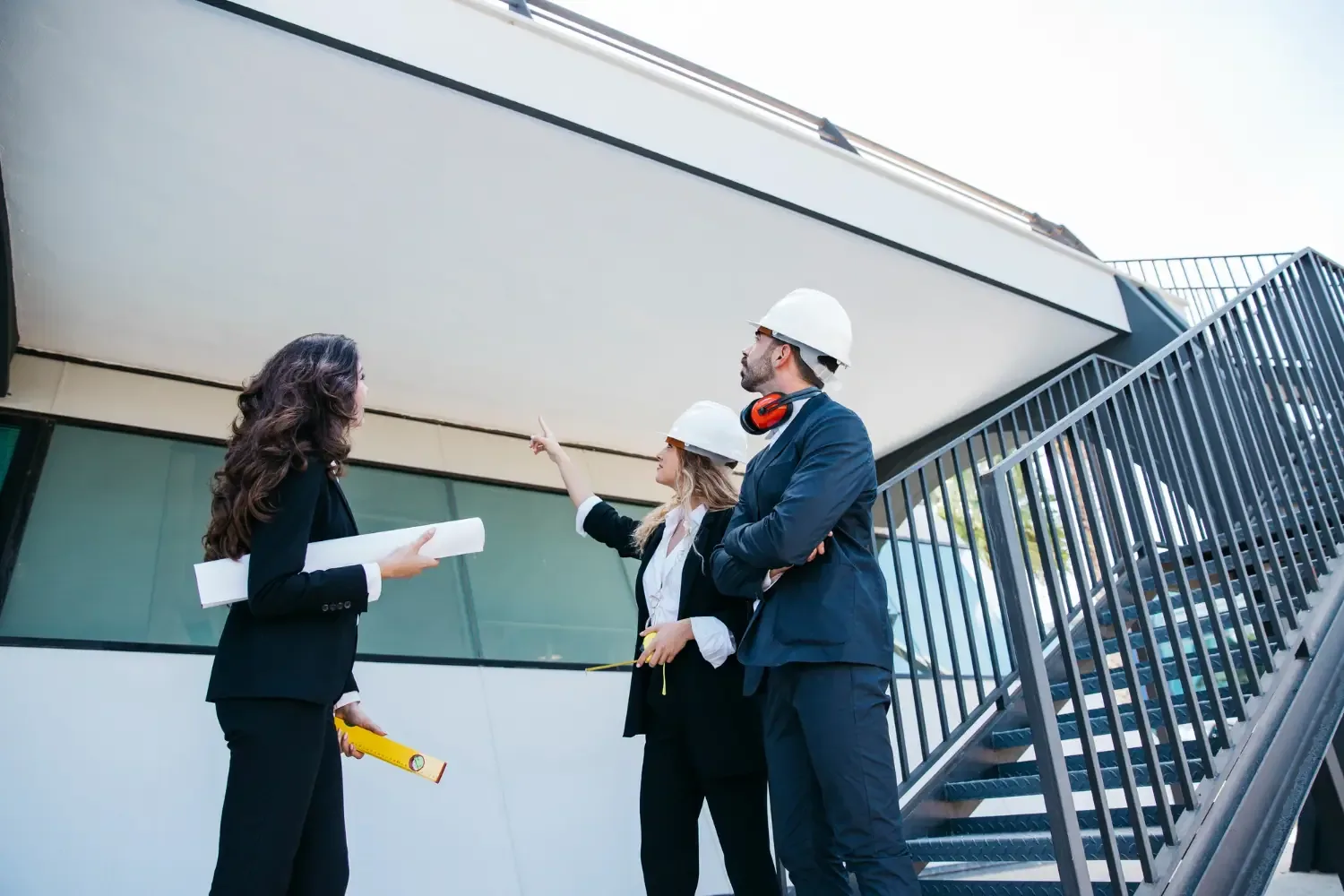
Plan roof work from current conditions
A roof budget gets harder to defend when the only note is “replace soon.” A manager needs to know what failed, what can be repaired, and what conditions could change the scope. We inspect the roof, identify moisture and recurring details, then lay out near-term repairs beside larger options. The plan can separate urgent work from projects that have time for design, tenant coordination, and budget review. It does not promise a fixed remaining life; it explains what the current evidence supports.
Lafayette's commercial buildings range from mixed-use centers to industrial facilities and large campuses. The city's plan identifies Downtown, Oil Center, and other mixed-use districts with retail, office, services, restaurants, and residential uses. UL Lafayette's main campus includes a broad range of university buildings. That variety matters because a capital schedule must account for the building's use and access, not just the roof surface. Our condition reports give the owner a basis for comparing projects, while roof inspections identify what needs confirmation.
Set a condition baseline before budgeting
We begin with a roof walk or suitable survey, then identify the membrane or panel system, visible repairs, edge details, drains, curbs, and areas of concern. Moisture checks help establish whether insulation or cover board has been affected. We note access limits, roof areas not visible, and details that need another test. If past invoices or drawings are available, they can help explain how the assembly was built or repaired, but they do not replace current inspection.
For a property near the River Ranch commercial district, office and retail operations may shape when crews can work. A production building or school may have different constraints. We ask about the actual building calendar, equipment, loading routes, and interior spaces below the roof. Those details affect sequencing and temporary protection, so they belong in the planning file alongside roof condition.
A useful baseline separates confirmed damage from possible concerns. We label a wet area that was directly tested differently from a surface discoloration that needs monitoring. If a small opening is recommended to check concealed layers, we explain what question it answers. That keeps the capital discussion tied to evidence rather than a broad age estimate.
Compare repair, recover, and replacement
A focused repair can be the right project when damage is local and the surrounding assembly remains sound. Repeated failures, wet insulation, widespread brittleness, or poor attachment can point toward a larger section or full replacement. A recover may fit some roofs if existing layers, moisture, structure, and code allow it. We identify those conditions before presenting options.
Each option carries different preparation and disruption. A repair may need a lift, targeted removal, and a short access window. A recover can reduce tear-off but adds a layer and needs careful edge and penetration work. Replacement can address wet materials and allow a new assembly, while creating more debris, noise, and coordination. Our replacement planning and recover evaluation explain those differences for the actual roof.
System compatibility matters. A proposed coating should bond to a suitable surface and cannot fix trapped moisture. A membrane replacement needs proper edge terminations and flashing. Metal retrofit and low-slope membrane options have different details. We can compare system options when those systems fit the building, without treating a material choice as a substitute for scope design.
Sequence work by risk and building calendar
Timing depends on active leaks, moisture, repair availability, and how the building operates. We put urgent openings first, then list work that should be completed before the next wet period, followed by projects that can be planned with more lead time. Lafayette Regional Airport climate normals include 60.50 inches of annual rainfall and 7.08 inches in June. That local pattern makes drain and water-entry repairs worth considering in the annual schedule, but it does not set every roof's deadline.
The Johnston Street-Louisiana Avenue corridor project addresses drainage, utilities, safety, and access across an 8.5-mile route. A commercial site near that corridor may have delivery, school, or tenant schedules that affect roof access. We coordinate lift locations, material staging, noisy work, and interior protection with the property contact. If a room must remain open, we can discuss zone-by-zone sequencing.
A schedule should state assumptions. Rain can delay welding or coating. Wet insulation may extend the project if more material is found after opening. Equipment shutdowns may depend on another trade. We document these timing drivers so an owner can compare a planned project with the cost of postponing it.
Make room for discovery without losing scope
Roof work can reveal concealed conditions once old material is removed. We identify likely discovery areas and explain how a change would be reviewed before proceeding. A budget can distinguish known scope from an allowance for material that cannot be seen during inspection. That separation is more useful than treating every unknown as a confirmed defect.
Useful planning records include current photos, roof-zone diagrams, moisture findings, repair history, and a short explanation of why one option is recommended. A roof asset record can keep those pieces with the building over time. For several buildings, a multi-site program can use shared fields while preserving roof-specific scopes.
If an insurance event is part of the project, we separate storm observations from deferred maintenance and document completed temporary work. Lafayette's NWS archive includes a tornado entry for Lafayette and severe-weather reports in the region. Those records support local preparedness, not a conclusion about a present roof. We identify current damage through inspection and photographs.
Choose the next budget step with clear evidence
The capital decision may be a repair now, design work this year, or replacement in a later budget cycle. We show what condition supports that choice and what should trigger a review sooner. If a leak recurs, moisture spreads, or a seam begins opening, the plan should be revisited. It is a working record, not a promise that a roof will behave the same through every season.
At the Kaplan, retail activity and deliveries affect how a project would be staged. At the Opelousas, laboratories and offices have distinct operating needs. These local examples reinforce why cost and schedule must be grounded in the actual property and its use. We discuss access, material handling, tenant impacts, and repair windows before finalizing the recommendation.
Arrange a roof inspection if you need to prepare a budget request or compare options. We will document conditions, explain repair and replacement paths, and identify what should be confirmed before the project moves forward.
Questions About Commercial Roof Capital Planning
How do you decide whether a roof belongs in this year's budget?
Active leaks, wet insulation, open seams, and building use guide urgency. We document the condition and discuss what could happen if work waits, then separate immediate repair from longer planning.
Can a roof plan give an exact replacement year?
A visual inspection cannot set an exact replacement year. We describe current condition, repair history, and signs that could shorten or extend the planning window, with uncertainties stated plainly.
What should a capital request include?
A clear request can include roof-zone photos, inspection findings, repair alternatives, access needs, and timing assumptions. We can prepare those details so reviewers see why the work is proposed.
Can one budget cover several different Lafayette properties?
A portfolio summary can group needs, but each building should retain its own system, condition, repair history, and access limits. Shared priorities do not replace roof-specific scope.
What can change a project budget after work begins?
Hidden wet insulation, deck conditions, additional failed layers, access restrictions, and weather can affect labor and schedule. We identify likely discovery points and explain how added work is reviewed.