
Multi-Site Commercial Roof Programs in Lafayette, LA
Home / Roofing Capabilities / Multi-Site Commercial Roof Programs
Talk With Our Lafayette Team
Share the property list, local contacts, and current service concerns. We will map the inspections and keep each building's findings clear.
Call 555-555-5555
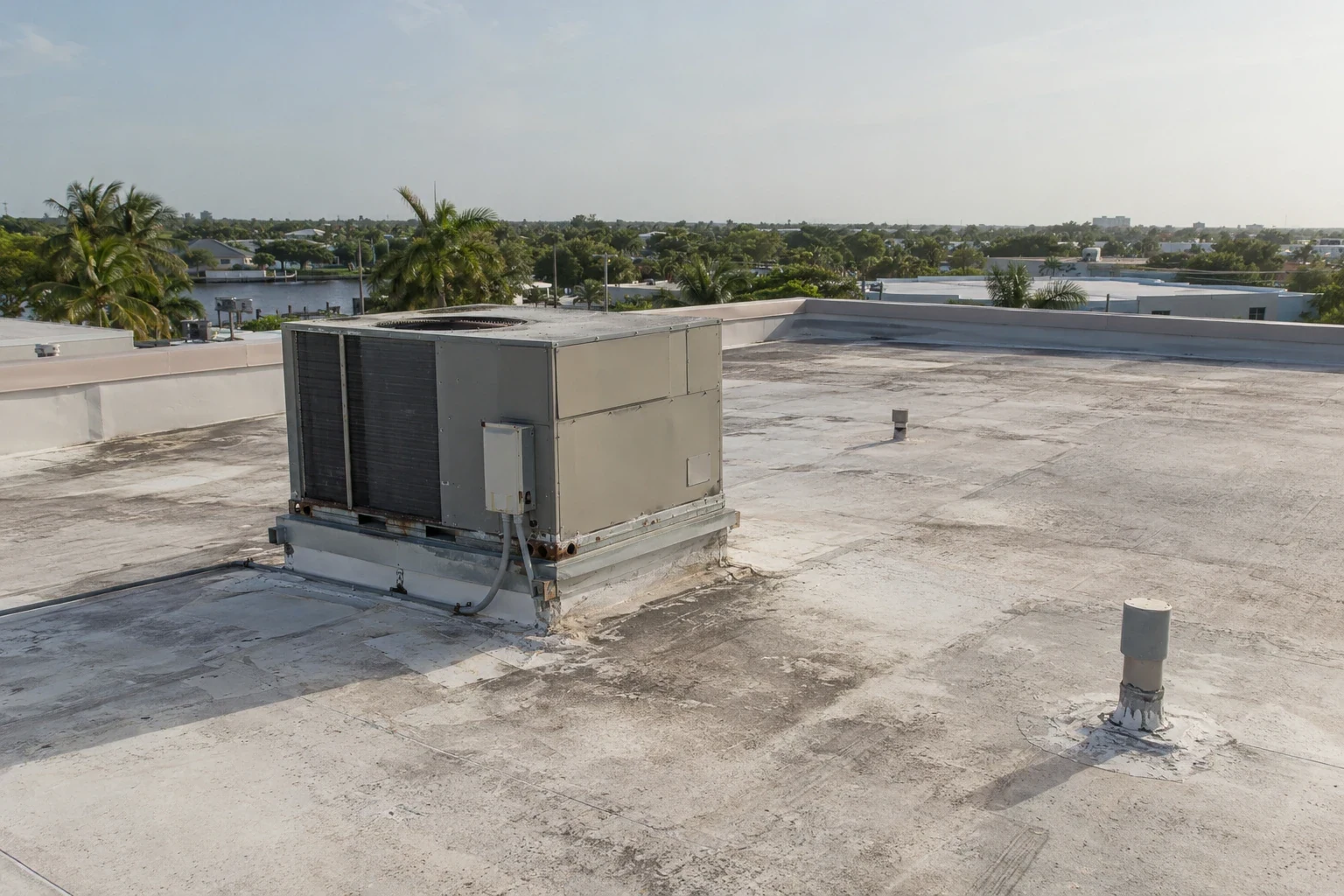
Coordinate roof work across your portfolio
A portfolio can share one roofing contact and still need a different plan at every address. One building may have an active leak, another may need drain cleaning, and a third may require a replacement review. We help Lafayette owners coordinate inspections, service requests, and reporting across multiple buildings while keeping the roof facts separate. The program gives the manager a consistent way to compare work without assuming every roof has the same system or condition.
Lafayette Parish has LEDA business parks distributed across the area, and the city's planned mixed-use centers include Downtown, Oil Center, and corridors serving retail, office, services, and residential uses. Those different building patterns affect access and scheduling. We can combine a roof asset record with condition reports so each facility has its own findings and the portfolio has a clear action list.
Group the work without blending roof conditions
We begin by listing the properties, roof sections, local contacts, access rules, and available records. Then we confirm which buildings need inspection, repair, maintenance, or a project review. A portfolio summary can show open items by address and urgency, but each report retains its own photographs, roof system, moisture findings, and limitations.
LEDA manages four business parks in Lafayette Parish to support industrial and commercial development. A property in Industrial Park may have service access and delivery needs that differ from an office property in Downtown. We plan routes by the actual address and contact instead of assuming that nearby buildings can be visited under one access arrangement.
For each building, we record the scope completed and work still open. If a drain is blocked at one location and a curb is leaking at another, they remain separate tasks. A shared dashboard or spreadsheet can group dates, but it should preserve the roof-zone reference and report behind each task. The owner can then sort by urgency without losing the detail needed to dispatch work.
Set a service rhythm that fits the properties
Inspection intervals can follow the portfolio's needs, roof conditions, weather exposure, and operating calendar. We do not set one interval for every building by default. After a leak, severe weather, or major rooftop service, an additional check may make sense. Stable areas can remain on the regular maintenance calendar while recurring issues receive a closer review.
Our preventive roof maintenance visits can cover drains, seams, flashings, edges, and reported changes. For an active problem, we schedule commercial roof repair and note any temporary protection. If water is entering after hours, our emergency response is available any time, throughout the week. The service record shows what happened at that address and which follow-up remains.
Lafayette's June precipitation normal is 7.08 inches, while annual normals total 60.50 inches. That local rainfall is one reason a portfolio plan should keep drainage and open details visible. It does not mean that all roofs face identical exposure. We inspect each roof and adapt service timing to what the conditions show.
Keep building operations in the schedule
A roof visit can affect tenants, loading, patient access, school hours, or equipment operation. We collect those constraints before setting work dates. A manager may want to group visits by area to reduce travel, but roof access still depends on the local contact and site rules. We coordinate ladder placement, lift needs, staging, noisy work, and interior protection for each building.
The Johnston Street-Louisiana Avenue route extends 8.5 miles between Louisiana Avenue at I-10 and Johnston Street at Ambassador Caffery. It connects UL Lafayette, schools, businesses, and neighborhoods. That range of activity offers a practical local example: a route plan may group nearby visits, but one property can be occupied while another is closed. We confirm each site's schedule rather than treat the corridor as one work zone.
For sites with rooftop equipment or repeated service calls, a manager can record who needs to authorize shutdowns and how crews reach the roof. A shared contact list saves time, but the roof notes stay tied to the building. When a property has restrictions on photography or interior access, we note those limits and arrange an alternate inspection plan.
Compare findings and budget needs across the group
Portfolio reporting can list immediate repairs, maintenance tasks, and capital questions in separate groups. A roof with wet insulation should not disappear among routine cleaning items. A location with a recurring seam issue can be flagged for a wider survey. We can prepare capital planning that compares roof-by-roof projects and their timing drivers.
Each summary should tell the reader what was inspected, what was found, what action is proposed, and what remains uncertain. A dated photo or roof map can support the entry. If a repair requires opening the assembly, we state that the concealed condition may affect scope. This keeps a portfolio comparison useful while avoiding false precision in life or cost estimates.
When an acquisition or refinance overlaps with maintenance, we can arrange a due-diligence survey for the property in question. Transaction findings remain separate from routine service notes. This helps the owner compare property conditions without mixing the goals or assumptions of two reviews.
Leave a clean handoff for every address
After a batch of visits, we send a concise action list with each building's record. The property contact can see completed items, open repairs, return dates, and conditions needing another test. A portfolio owner can share the summary internally while keeping roof plans, photos, and sensitive access instructions with the people who need them.
At the Ambassador Caffery corridor, Our Lady of Lourdes Regional Medical Center and retail destinations illustrate the variety of property uses found along a local commercial route. The particular site still controls access, work hours, and roof conditions. We do not infer a roof type or problem from its location.
Arrange a program review if several properties share maintenance needs or if roof records are difficult to compare. We can start with the buildings in scope, inspect the priority locations, and propose a reporting rhythm that fits the portfolio. For broader comparison, the warranty record can remain attached to each roof's service history.
Program reporting works best when each location uses common fields and a local roof map. Track assembly, observed condition, active leak, repair history, priority, and next action consistently, while allowing a site note for access or operating constraints. Portfolio totals can guide funding, but the contractor should retain building-level evidence behind each ranking. After work, reconcile completed items against the original list so unresolved recommendations remain visible.
Questions About Multi-Site Commercial Roof Programs
Can one maintenance visit cover several buildings?
It can when access, scope, and schedule allow. We inspect and record each roof separately, then group the completed work in a portfolio summary.
How do you rank repair needs across a portfolio?
We consider active water entry, moisture, building use, access, and the condition of each roof system. The summary shows why a task is prioritized so an owner can review the sequence.
Do all locations need the same inspection schedule?
No. Roof condition, repair history, weather exposure, and operations differ by building. We set a schedule from those findings and adjust it when a leak or project changes the need.
Can local managers request service directly?
Yes, if the owner defines that process. We can record who may report a leak, approve access, or authorize work, while keeping the portfolio contact informed of status.
What if the roof records are incomplete at one address?
We identify the missing information and inspect current conditions where access allows. The report distinguishes confirmed details from items that need plans, testing, or a follow-up visit.