
Commercial Roofing in University Avenue Corridor, Lafayette, LA
Home / Service Areas / University Avenue Corridor
Talk With Our Lafayette Team
Share the civic or commercial property address, the affected area, and access details. We can inspect the roof and discuss next steps.
Call 555-555-5555
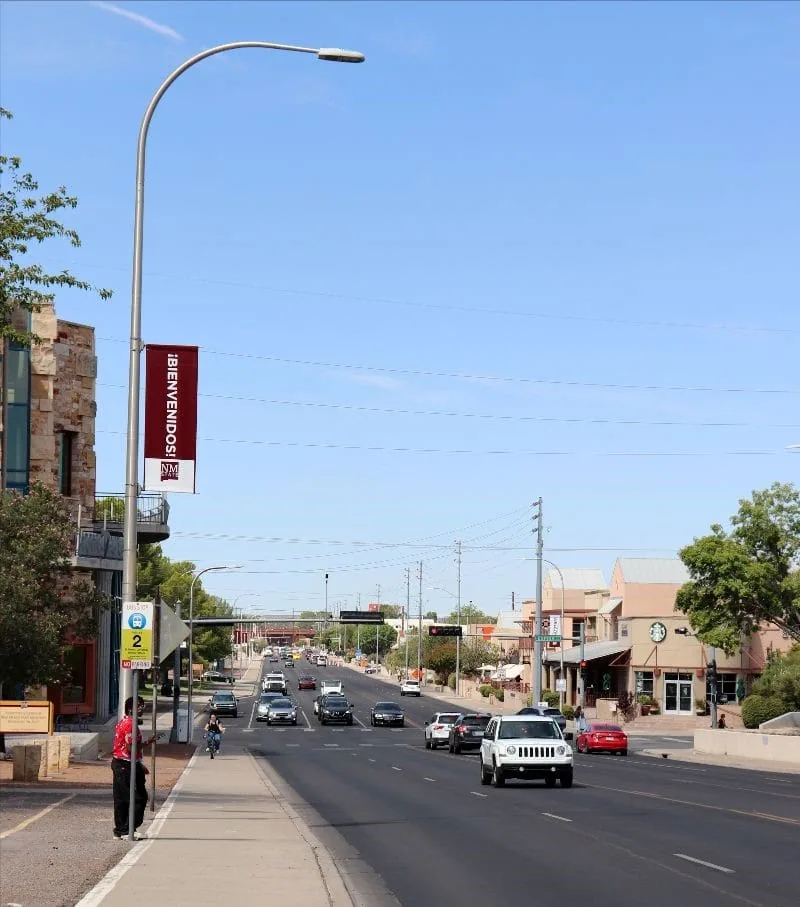
Arrange roof service on University Avenue
A civic office leak can affect staff, records, and public service before the roof defect is clear. Planning documents classify the route as a mixed-use overlay and downtown gateway. That setting makes roof access and building use part of the work plan. We confirm the specific property and inspect its actual roof before discussing a repair.
The first walk checks drains, seams, penetrations, wall transitions, and perimeter metal. Lafayette's heat and heavy rainfall make water movement and material condition practical inspection questions. We compare the roof evidence with any interior report, then identify whether the next step is a patch, moisture check, or broader review. Our commercial roof inspection records accessible conditions and limits.
Plan around civic and mixed-use activity
A downtown gateway can serve more than one type of occupant. University Avenue's planning designation describes mixed use, while the city-parish main office provides a documented civic address along the corridor. We ask whether the roof is above public-facing space, offices, records, or equipment and who can coordinate entry. Those details help determine where a crew can stage and what needs protection below.
The Johnston-Louisiana corridor project connects the route toward downtown and UL Lafayette. City plans also include drainage, utilities, safety, and multimodal access within that larger connection. We confirm current conditions at the property instead of assuming a particular detour or work restriction. The Johnston Street-Louisiana corridor link follows a separate road project toward UL Lafayette; Downtown Lafayette has its own civic and commercial building mix. For either route, we verify the exact roof, owner contact, and entry plan before scheduling.
If a civic or office property remains open during roofing, the schedule may need to protect entrances, public hours, and records areas. We identify the work zone before moving tools and materials. A narrow repair may fit a short window; opening wet insulation or rebuilding several transitions can take longer. The manager receives a scope that states the area and expected sequence.
Read the interior report against roof details
A ceiling tile or wall mark gives a location inside, but the entry point may sit above another part of the roof. We trace the suspected route toward drains, parapets, skylights, curbs, and membrane laps. We note sediment, lifted patches, cracked sealant, or a loose termination. Each clue is checked against the roof assembly before repair material is chosen.
At the city's main office address, we make no assumption about system type or current condition. The roof itself tells us whether it is membrane, metal, coating, or another assembly. We also check what lies below the suspect area and whether moisture has spread into insulation. Moisture survey work may help map concealed wet areas when its result could change the repair boundary.
For an outlet concern, we inspect the drain bowl, overflow, membrane connection, and route water takes across the surface. A blocked inlet may slow runoff, while an open seam nearby can be a separate defect. Drain and scupper service can address a confirmed connection issue. We document the finding and whether cleaning, repair, or further testing is appropriate.
Use Lafayette weather as context, not diagnosis
Lafayette Regional Airport's long-term climate normals show 60.50 inches of rain in an average year, with 7.08 inches in June. This market context makes drainage review useful before and during the wet season. It cannot tell us whether a University Avenue roof is blocked, leaking, or ponding. We inspect the actual outlet and check whether water remains after surrounding areas dry.
Summer mean daily highs at the airport exceed 92 degrees in July and August. Hot surfaces can affect exposed materials, but roof age, system, repair history, and installation conditions matter too. We look for brittle flashing, open seams, cracked coating, or movement at metal transitions. If the condition varies across the roof, we map each zone so the owner can see whether work is local or broader.
When a storm opens the roof, temporary protection may limit further water entry while the surface dries or materials are identified. We state what the interim measure covers and schedule permanent repair once preparation can be done. A weather event sets timing; the inspection sets the scope.
Choose a scope that respects the building
A patch may be appropriate when one detail has failed and the surrounding material remains dry and secure. If multiple areas leak, insulation is wet, or seams continue to separate, a larger repair or replacement review may make sense. We identify the membrane, removal area, attachment, drainage, and access requirements. The building schedule and protection below also affect timing.
Cost drivers include roof height, staging, material compatibility, tear-off, concealed moisture, and the size of the affected section. We note what is known and what could change when a layer is opened. If work takes place above public or office areas, we outline the sequence and limits before the crew proceeds. That allows the property contact to plan access and service continuity.
For the local code baseline, Lafayette lists the 2021 IBC for commercial projects and the 2021 IEBC when altering existing buildings. The project scope determines which review applies. We document roofing conditions and proposed work; the owner or project team confirms applicable approvals. For a larger scope, replacement planning can compare removal and new layers. If existing components qualify, a recover assessment may be considered.
Preserve findings for the next service call
We leave a record of the property address, roof zone, material observed, repair completed, and areas that could not be inspected. Photographs should include a nearby reference so a facility manager can locate the detail. We note any moisture removal, temporary protection, or follow-up test. If a later report comes from another room, those notes help determine whether the same condition returned.
For civic buildings, a maintenance record can also hold access instructions and contact details for future work. Our roof condition report can gather photos, findings, and recommended actions. The route's connection to downtown and UL Lafayette provides geographic context, while the property-specific record remains the useful maintenance tool.
To arrange a University Avenue roof review, share the street address, leak location, building schedule, and prior repair history. We can inspect the accessible areas and explain what the findings support. If water is entering, call to coordinate a safe response and temporary protection.
Questions About University Avenue Corridor
Can roof work be planned around city office hours?
We confirm public hours, access contacts, the affected rooms, and any records or equipment that need protection. The roof condition determines how long the work takes; the building schedule helps set the sequence.
Does the city office address identify the roof system?
No. The address establishes a civic location, not roof material or condition. We inspect the assembly, transitions, drainage, and repair history before proposing a method.
How do you find the source of a leak above an office?
We compare the interior mark with drains, seams, curbs, and wall details above it. Water can travel before appearing inside. If concealed moisture could change the repair, we discuss a survey or test opening.
Will heavy June rain mean the roof needs replacement?
Rainfall alone does not set the scope. We check the membrane, outlet condition, flashing, and wet layers, then compare a local repair with broader work only when findings support it.
What should a closeout record include?
Keep the property address, roof section, photos, materials found, work performed, and unresolved conditions together. Note access restrictions and follow-up tests so the next visit starts with useful information.