
National Guard Armory Roofing in Lafayette, LA
Home / Property Types We Roof / National Guard Armory Roofing
Talk With Our Lafayette Team
Share the facility contact, access procedures and affected roof area. We will coordinate the inspection, document findings and outline repair or capital options.
Call 555-555-5555
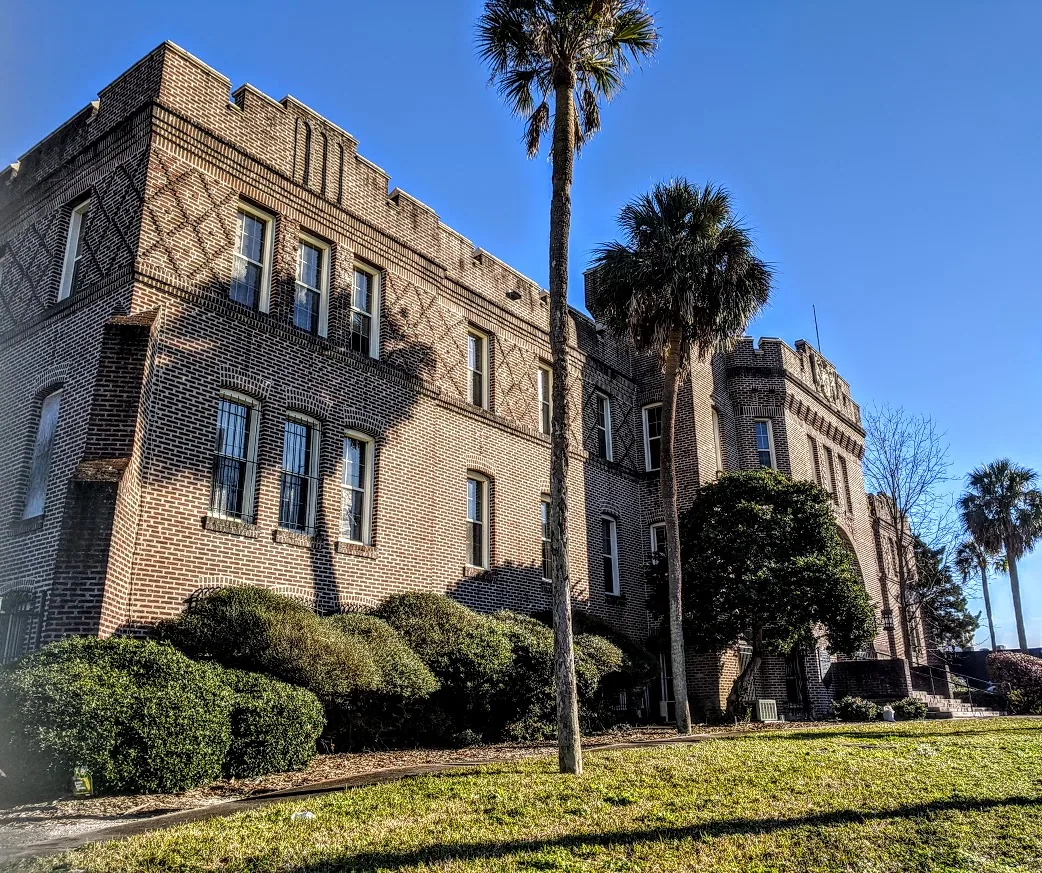
Arrange a readiness center roof review
A readiness center combines daily administration with training, storage and scheduled unit activity. A roof issue can affect several functions at once. We inspect the reported area, identify the roof assembly and document the condition before proposing work. Access, security and the center's operating schedule shape how the visit is arranged.
The Louisiana Army National Guard broke ground on an 83,943-square-foot Lafayette Readiness Center in October 2025. The planned facility includes a general-purpose training bay, administrative offices, classrooms and storage. Nearby, Breaux Bridge's National Guard readiness center has motor-pool renovation work in the state's FY 2026 budget. These are distinct facilities; we plan each roof scope from its own records and observed conditions.
Coordinate entry and secure work zones
Before an inspection, the facility contact identifies entry procedures, escort requirements, restricted areas and the person authorized to approve roof access. We confirm where a ladder or lift may be positioned, whether deliveries can pass and how tools or materials are checked in. The work plan can identify the roof zone and expected duration so the center can coordinate around training and office use.
A site visit should not disrupt a formation, class or vehicle movement. We ask about scheduled activities and access to the training bay, motor pool and loading areas. If a repair involves noise or temporary interior protection, we name the affected space and agree on timing before work begins. Any closure or security condition remains under the facility's direction.
Military buildings may have controlled communications and equipment areas. We document roofing conditions without photographing or recording information the site contact restricts. Reports focus on roof assembly, defects, location and recommended action. That gives facilities staff usable maintenance information while respecting the access instructions in place.
Inspect the assembly before scoping repair
Readiness centers can include administrative rooms, storage, classrooms, vehicle support and a large open bay. Roof age and construction may vary among additions. We identify membrane or metal type, visible attachment, insulation, penetrations, drains, edges and prior patches. A stain inside one room does not establish the full path of water, so we inspect the roof area above and nearby transitions.
The written findings distinguish an active opening from a condition to monitor. Photos can show a failed seam, damaged flashing, loose edge or obstructed outlet. If moisture may extend below the surface, we describe the evidence and whether additional testing is warranted. The report can label roof sections using the facility's map or another approved naming system.
Commercial roof inspection can establish condition and maintenance priorities. A confirmed entry point may call for leak repair, while a broader scope depends on the inspected roof, not the facility's mission or building label.
Check storm exposure and drainage
Lafayette Parish coordinates local hurricane preparedness, and the National Weather Service records severe hail and two tornadoes between Lafayette and Breaux Bridge during an April event. Those records provide local context for post-storm inspections. They do not show that a specific readiness center has roof damage. After an event, we document observed punctures, displaced edges, impact marks or water entry and compare them with pre-event records when available.
Drainage also matters between storms. Lafayette Regional Airport's climate normals show 60.50 inches of annual precipitation, including a June normal of 7.08 inches. We check drains, scuppers, gutters, overflows and low points for blockage or damage. A persistent ponding area is noted separately from debris at an outlet because the corrective work may differ.
Drain and scupper service can address a defined outlet concern. Where hail, wind or water entry is observed, a storm damage inspection can record the affected roof zones and immediate protection needs.
Keep system-specific repairs traceable
Armories and readiness centers can use single-ply membranes, modified bitumen, built-up roofs or metal panels. The repair method depends on what is installed and whether the surrounding material remains sound. Roofs at aircraft hangars or government buildings can have distinct access and operating requirements. We identify the system before selecting compatible flashing or repair materials. Where an equipment contractor has altered a penetration, we coordinate details with the responsible vendor.
For a defined roof opening, emergency response is available nights, weekends and holidays. The first objective is to secure the affected area when access is safe. A temporary cover is recorded as temporary, with a return visit or permanent scope listed separately. This keeps immediate protection from being mistaken for completed restoration.
When metal roof laps, membrane seams or edge conditions repeat across multiple sections, the report can distinguish isolated defects from a broader pattern. Standing-seam metal systems and TPO roofs require different inspection and repair details. The scope should state what is included and what remains outside the work area.
Stage work around facility operations
A replacement or recovery project needs a sequence that keeps the building protected at each shift's end. We discuss staging, debris control, access routes, occupied rooms and any vehicle areas that must remain clear. The facility contact can identify operating dates, drills and delivery windows before we propose a schedule. If a roof contains several assemblies, each section is listed with its own scope and tie-in points.
Budget planning can separate urgent repairs from a longer capital project. We document moisture, insulation, deck, seams and edge conditions, then describe which finding supports each recommendation. A replacement assessment may include insulation upgrades, drainage, curb flashing and perimeter metal. Existing-building work must be reviewed against applicable design requirements by the project team.
Military installation roofing support can coordinate facility-specific access and documentation. Commercial replacement planning can define the assembly and project phases when the roof condition warrants broader work.
Maintain a useful roof history
Keep inspection reports, work orders, storm notes and closeout photos in one facility record. Identify building, roof section, date, observed issue and completed action. If a service call follows a storm, note the event and the location of interior water. When unit or site naming conventions apply, use the approved terminology so later teams can locate the same detail.
The planned Lafayette Readiness Center is expected to house the 256th Infantry Brigade Combat Team, the 769th Brigade Engineer Battalion, the 199th Brigade Support Battalion and the Recruiting and Retention Battalion. That planned occupancy indicates a facility with multiple organizational users. A maintenance file can help authorized facility staff keep roofing work connected to the correct asset without assuming one operating schedule fits every unit.
Contact us when a leak appears, a storm may have affected the roof or a capital review is due. We can coordinate access with the designated contact, document conditions and provide a scoped next step.
Questions About National Guard Armory Roofing
Can you inspect an active National Guard readiness center?
Yes, after the facility contact confirms entry, escort and roof-access requirements. We coordinate the visit around scheduled use and follow site restrictions for tools, photographs and work zones.
Do you provide emergency roof response?
Emergency response is available nights, weekends and holidays for active water entry or an exposed opening. Safe access is assessed first, and temporary protection is documented separately from permanent repair.
Can a readiness center receive a roof assessment for budgeting?
We can document system, condition, moisture indicators, drainage and repair history. Findings can separate immediate work from a larger capital review, with each recommendation tied to a roof area.
How do you handle storm-related roof concerns?
We record observed conditions by roof zone and distinguish visible impact or displacement from unconfirmed damage. Available pre-event records can help compare the same areas.
Will repairs disrupt training or vehicle access?
The work sequence can be planned around the facility calendar, loading paths and vehicle areas. Management identifies restrictions before mobilization, and any needed closure is agreed with the site contact.