Flex and Light-Industrial Roofing in Lafayette, LA
Home / Property Types We Roof / Flex and Light-Industrial Roofing
Talk With Our Lafayette Team
Share the tenant changes, affected bay and loading limits. We will inspect the roof sections, document findings and coordinate the repair or replacement plan with management.
Call 555-555-5555
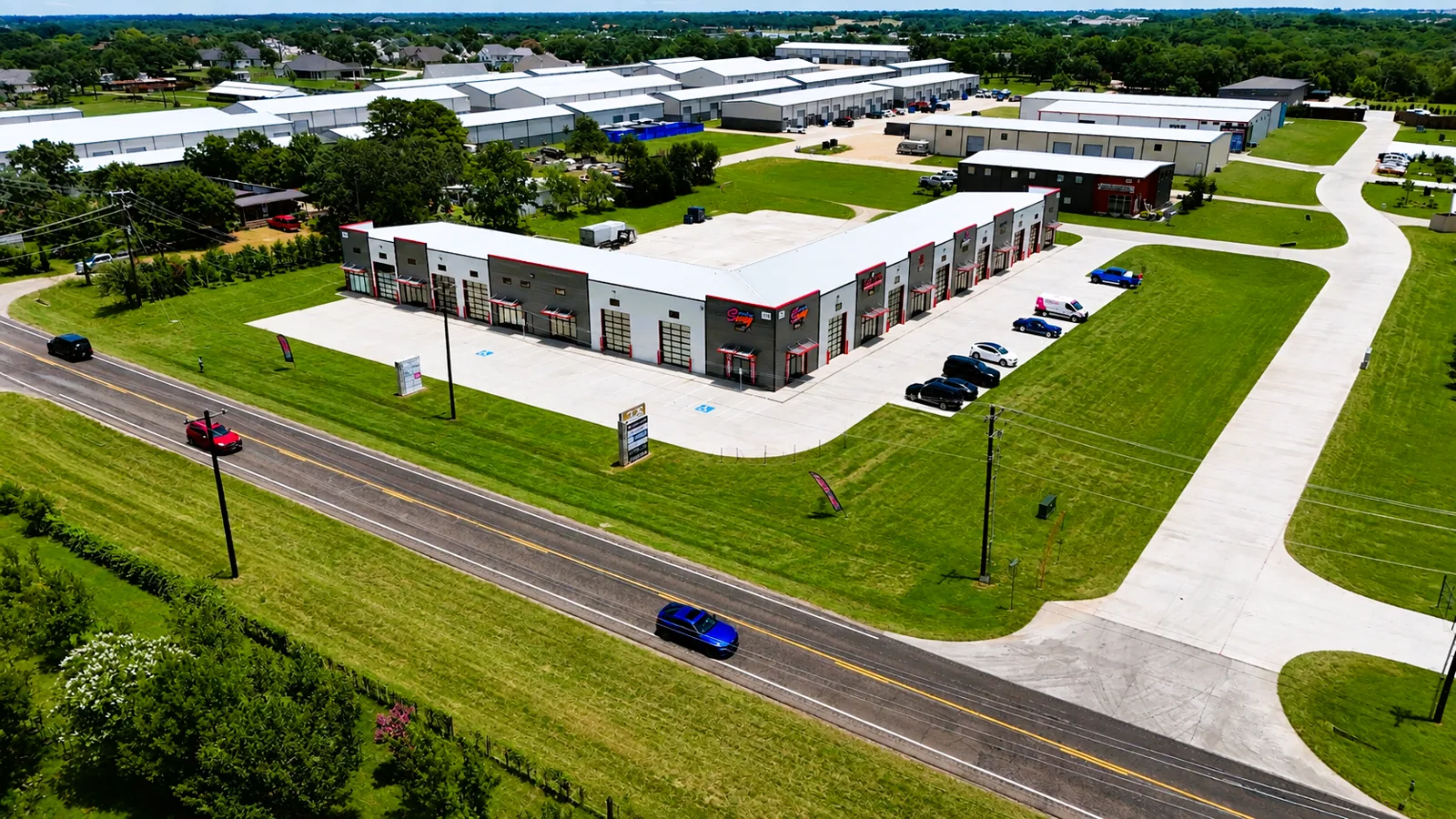
Review the flex-industrial roof
A tenant moves a production line into a flex bay and adds a new exhaust run. The roof may now have a different penetration or service path than the last inspection recorded. We check the affected section, identify the membrane or panel system and note what changed before setting a repair or maintenance scope.
LEDA manages business parks for industrial and commercial development across Lafayette Parish. Scott’s comprehensive plan describes light-industrial growth near I-10 and places industrial and warehousing uses along Herold Gauthe Road. Those local facts show a range of operating settings, while each flex property still needs its own roof map and tenant work history.
Track changes from one bay to the next
Flex buildings can combine office suites, shop bays, storage and production space under one roof. Tenant improvements may add curbs, exhaust fans, conduit or skylights. We inspect each roof section and compare new penetrations with prior photos, then note whether the work disturbed seams, flashing or panel laps. A tenant name does not identify the roof assembly.
Before mobilization, the property manager identifies active bays, deliveries, restricted work periods and which tenant contact can approve entry. We review lift and staging locations so a roof repair does not block a loading door or shared drive. If noise affects office space below, the schedule can identify the relevant period and roof zone.
Rooftop equipment curb work can address a roof penetration or support detail. If an active leak is present, we isolate the affected area and coordinate any mechanical work with the tenant’s vendor.
Trace water between office and shop areas
A stain in an office can sit below a roof opening over a shop bay. Water may follow the deck, framing or insulation before it appears indoors. We inspect above and around the report, checking seams, wall transitions, penetrations and drains. The record distinguishes a visible wet area from a suspected path that needs additional testing.
Tenant work orders can help establish when a unit, exhaust line or rooftop system changed. We ask about recent service and compare it with roof conditions. For water entering outside the usual shift, call to arrange urgent attention and a safe return visit. We can secure a defined opening and return to document the permanent repair once roof access is safe.
A commercial roof inspection can assess the affected bay and surrounding roof. When the entry point is confirmed, commercial leak repair can address the detail and state which adjacent work remains outside the scope.
Identify membrane and metal sections
A flex property may have a low-slope membrane on one bay and metal panels over another. Additions can create roof-to-wall transitions, valleys and separate drain paths. We identify each assembly, inspect attachment and past repairs, and avoid specifying one material for every section. A panel repair and a single-ply patch use different preparation and tie-in details.
Owners comparing manufacturing plant roofing or warehouse roof work may use the same report format across sites. The roof plan should still show each building’s system, tenant changes, equipment and access routes. That prevents one property’s repair notes from becoming a substitute for another site inspection.
If a coating or overlay is being considered, we inspect the existing surface, seams and moisture condition first. The recommendation reflects what can bond and what the substrate can support.
Keep the drain path open
Roof runoff can cross several flex bays before reaching a scupper or internal drain. We check outlet bowls, gutters, overflows and low points, then note whether equipment or tenant work has changed the route. Airport climate records put annual precipitation at 60.50 inches and the June average above seven inches. That local rainfall context makes outlet access and maintenance useful across the property.
Debris at an outlet and a persistent low roof area are different findings. Cleaning can remove a blockage, while a settled section may need further review. We record where ponding remains and whether seams, curbs or wall details show wear nearby. The scope names drain work and slope corrections separately.
Drain and scupper service can address a defined outlet problem. We can mark a recurring low area for a separate roof-plane evaluation.
Plan around active tenants and deliveries
One bay may run a day shift while another receives materials after hours. We ask management to identify tenant schedules, loading limits, forklift routes and areas where a lift cannot sit. The work plan identifies each phase and keeps delivery access clear where possible. If a temporary closure is required, management receives the roof zone and timing before work begins.
A phased reroof can move across suites without opening more roof than the crew can secure by day’s end. We identify work hours, debris control, interior protection and daily dry-in. Hidden deck or insulation damage is documented and routed through the owner’s approval process before the scope expands.
A occupied-building reroofing plan can coordinate tenant access. For a larger project, a commercial roof replacement assessment can include insulation, drains, edges and equipment tie-ins.
Build a roof file for each suite
A multi-tenant owner may receive reports from several occupants and vendors. Keep each item tied to a suite, building, roof zone, date and repair. We can label findings in terms the property manager uses, then note which details changed after a tenant improvement. A later inspection can compare the same location without reconstructing the entire work history.
The Scott plan places light-industrial and warehousing uses along Herold Gauthe Road and identifies Apollo Road as another business corridor. LEDA’s parks support industrial and commercial development across the parish. These local references show why operations may vary among sites; the roof record should remain specific to the actual tenant space and assembly.
Call when a new tenant adds equipment, an old repair opens or water appears in a shop bay. We can inspect the roof detail, update the record and explain the next service or capital step.
Flex-industrial properties combine tenants and uses that can change over time. Keep the roof map tied to suite or building identifiers, and record shared drains, rooftop units, and demising-line conditions where access is available. When a leak is reported, document who observed it and what operations were affected, then investigate the nearest roof details rather than assuming the point above the stain is the source. Clear records help owners assign work across tenant spaces.
Questions About Flex and Light-Industrial Roofing
Can roofing work proceed while flex bays stay occupied?
Often, with phases planned around tenant schedules, loading and access. Management identifies restricted areas. We set the roof zone, staging and daily closeout with the property contact.
Does a new rooftop exhaust fan need a roofing inspection?
A new curb or penetration changes the roof detail. We inspect the tie-in and nearby seams, then coordinate with the mechanical vendor if the unit or duct needs separate work.
How do you track several tenants’ leak reports?
We map each report by suite, building and roof area, then compare the findings for a shared path or separate defects. Photos and zone labels keep the follow-up tied to the right space.
Should every flex bay receive the same membrane?
Not automatically. The existing assembly, substrate, equipment, drainage and use affect material selection. We identify the current roof sections and specify work for the details that need attention.
When does a flex-industrial owner need replacement planning?
Repeated leaks, broad moisture, deteriorated attachment or similar failures across several bays can support a larger review. We document the evidence and explain what localized repairs would leave in place.