Commercial Roofing in Scott I-10 and St. Mary Corridor, LA
Home / Service Areas / Scott I-10 and St. Mary Corridor
Talk With Our Lafayette Team
Share the address, tenant or facility contact, and reported condition. We can inspect the roof and explain the next step.
Call 555-555-5555
Arrange commercial roof service in Scott
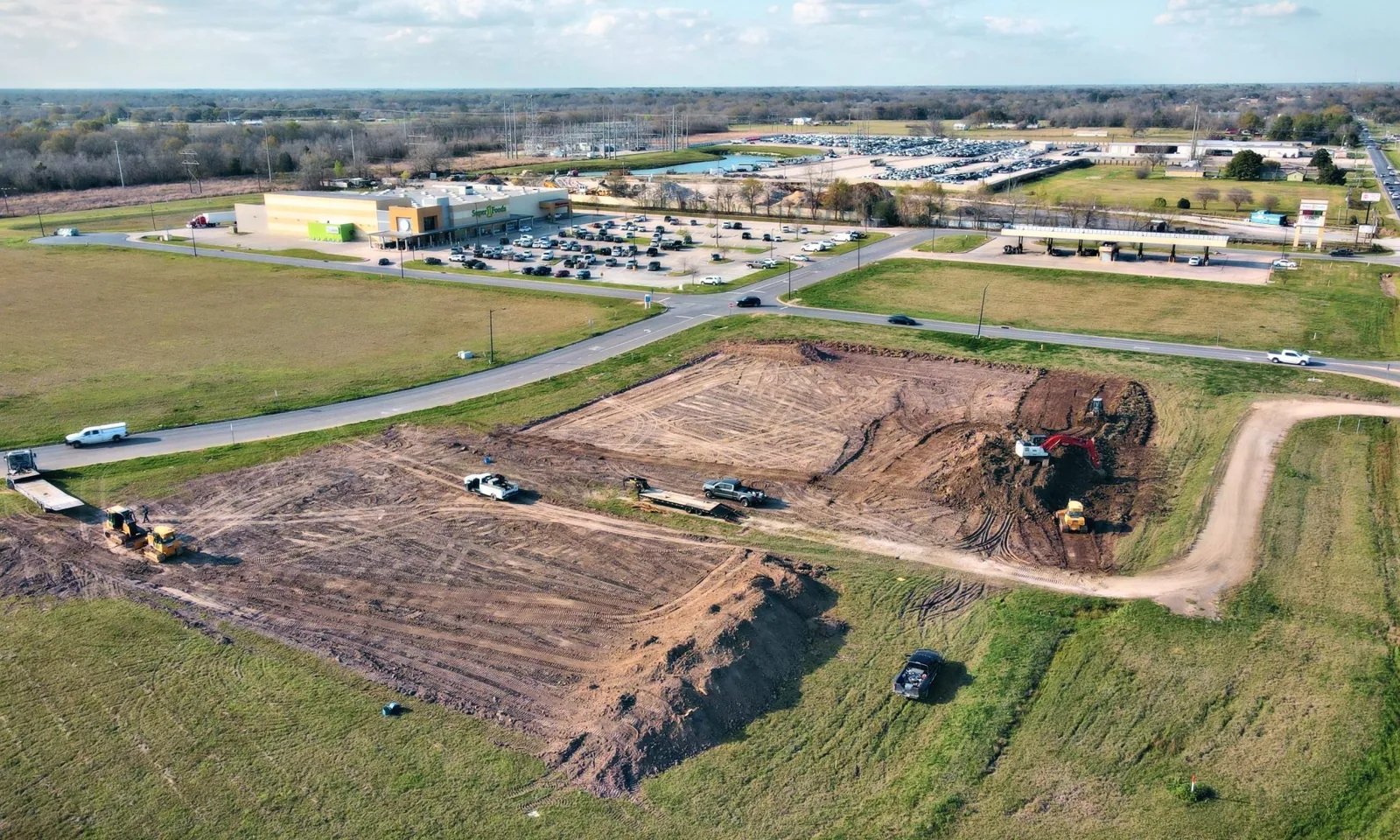
A grocery, farm-supply store, restaurant, warehouse, or light-industrial building can have different roof access and operating limits. Scott's comprehensive plan places newer retail near the I-10 interchange and St. Mary Street, and light industrial and warehousing uses along Herold Gauthe Road. We confirm the property and its use before setting the inspection route. The plan describes local development; it does not say which roof system a building has.
We inspect drains, seams, wall transitions, penetrations, and roof edges, then connect those findings to any interior report. Scott's location near I-10, I-49, and Lafayette has supported substantial light-industrial development. A commercial roof inspection documents the assembly and service needs at the address.
Plan for retail hours and loading
At St. Mary Street and the I-10 interchange, the city plan notes grocery, farm-supply, and restaurant uses. Those functions can involve customer entrances, deliveries, and equipment below roof work. We ask the manager which routes must stay open, where materials may stage, and how much notice tenants need. A focused repair above one area can be sequenced differently from work that opens a larger roof section.
We identify the space below the defect and discuss protection before cutting or welding. If an outlet or flashing needs repair, the crew can isolate that zone. If wet insulation extends beyond it, we show the proposed removal area and ask the property contact to confirm access. Operating constraints affect schedule, but they do not change the material or preparation required by the roof assembly.
For retail sites in Lafayette, Church Point and Kaplan refer to other properties. We maintain separate records for each address and do not reuse access instructions between them.
Check industrial and warehouse roof details
Herold Gauthe Road is identified for light industrial and warehousing uses, and Apollo Road is another Scott business corridor. An industrial or warehouse roof may include equipment, penetrations, roof-edge transitions, or drainage paths that need inspection, but we confirm which details exist on the building. We check attachment, seams, curbs, metal laps, and any visible patch before selecting a repair.
Movement through a facility can be as important as roof access. We ask what equipment below requires protection and whether a loading area or production schedule limits staging. If a lift is needed, the site contact confirms a safe route. We note where the inspection could not reach and whether the uninspected area affects the recommendation.
Material compatibility matters. A membrane weld, EPDM patch, coated surface, and metal seam require different preparation. If the assembly is unclear, we compare records with field details or discuss a test opening. Warehouse roof service can address the needs of a specific roof type after inspection establishes which assembly is present.
Use rain history to sharpen the inspection
Runoff that sits near a curb or drain can expose a weak connection. We inspect outlet bowls, overflows, slope changes, and membrane tie-ins. A drain may be blocked, or water may be entering through a seam nearby. We follow the path and compare it with the interior mark rather than presume the closest detail is responsible.
For the airport's 1981 to 2010 normals, Lafayette's June rain average is 7.08 inches within a 60.50-inch annual total. This regional pattern frames drainage questions, while the Scott roof must be checked in person. We look for debris, ponding lines, soft board, lifted flashing, and open laps. Drain and scupper repairs address confirmed outlet issues.
If water may have moved below the surface, a moisture survey or selective opening can help set the boundary. We explain what each test can establish and whether its result would change the repair choice. Wet insulation may need removal; a dry, sound surface around one defect may allow a smaller patch.
Choose work that fits the roof and operation
One isolated split in stable material may be repaired locally. Repeated leak calls, loose attachment, or moisture across multiple areas can require broader work. We identify the assembly, drainage, repair boundary, and any condition hidden below the membrane. Cost and timing depend on roof height, access, staging, material, removal, weather, and how the building needs to operate during service.
For urgent water entry, emergency response is available all week, including nights and holidays. We confirm safe access, stabilize an opening when practical, and state the limits of temporary protection. Permanent repairs follow when the roof can be prepared. If the issue spans several sections, we compare a phased project with a focused repair and explain what changes the schedule.
When deterioration is widespread, replacement planning can review tear-off, insulation, drainage, and use below. An overlay may be considered only if the existing layers are sound and dry. A recover evaluation checks that possibility. The recommendation follows inspection results, not whether the property serves retail or industrial users.
Keep one roof history per Scott address
A closeout record names the address, inspected section, material observed, work performed, and any access or moisture limit. Photos show the repaired detail and a recognizable reference. If the roof is phased, the record separates completed work from remaining areas. A later service call can compare conditions without relying on a general note about the corridor.
Scott's plan identifies activity near the I-10 interchange and St. Mary Street as well as industrial and warehouse use on Herold Gauthe Road and Apollo Road. These settings are not interchangeable. A roof condition report can capture property-specific findings, while maintenance can revisit outlets and prior patches on a schedule set for that building.
To arrange a roof inspection in the Scott corridor, provide the property address, reported issue, access contact, and operating limits. We can inspect the roof and discuss whether repair, testing, or replacement review fits what is found.
Along the Scott and St. Mary corridor, coordinate inspection with the property's traffic, loading, and work-hour constraints. Identify safe access and where a lift or materials could be staged before the crew arrives. On the roof, record transitions, drains, and equipment curbs around the reported area. A repair plan that reflects how the site operates can reduce disruption while preserving a clear line between temporary measures and permanent correction.
If operations change during the project, keep the revised access route and affected work area in the daily record. That helps the owner understand any schedule shift and confirms which portions of the roof remained protected overnight. At completion, review open items with the site contact and agree on who will monitor them.
Questions About Scott I-10 and St. Mary Corridor
Can you inspect a roof during grocery or restaurant hours?
We ask about customer access, deliveries, and the area below the repair. The property contact helps set the work window, and the roof condition determines whether the work can fit that period.
Does the Scott plan identify the roofing system at a warehouse?
No. It describes land uses and corridors. We inspect the building to determine membrane, metal, drainage, attachment, and any prior repairs.
What if the leak is above active production or storage?
We identify the roof zone and area below it, then coordinate protection and access with the site contact. If repairs must be staged, the scope separates completed and remaining areas.
How do you tell whether an outlet or seam is the source?
We inspect the drain, overflow, nearby membrane, and transitions, then trace the water path against the interior report. Each possible entry point is checked before choosing a repair.
When is replacement worth comparing with repair?
Repeated leaks, broad deterioration, or wet layers can support a larger review. We compare the affected area, attachment, drainage, and operating needs before outlining options.