
Apartment and Multifamily Roofing in Lafayette, LA
Home / Property Types We Roof / Apartment and Multifamily Roofing
Talk With Our Lafayette Team
Share the building, reported unit and resident access rules. We will inspect the roof area, document what we find and coordinate a repair or phased plan with management.
Call 555-555-5555
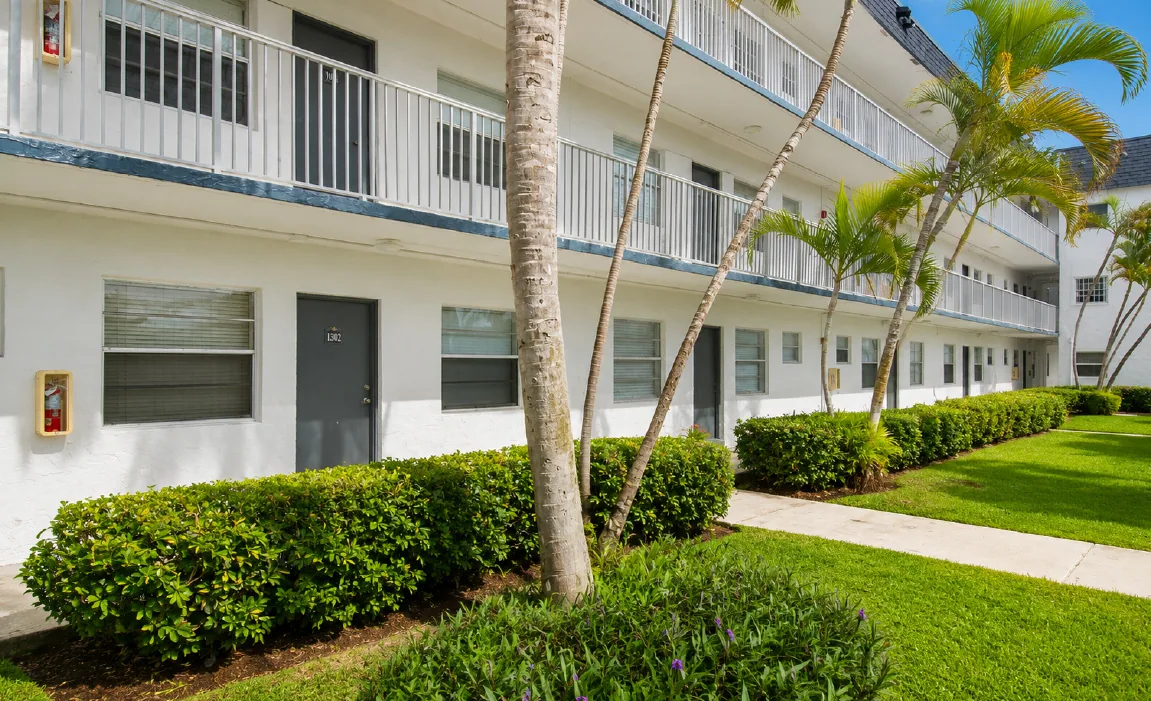
Arrange an apartment roof inspection
A resident sends management a photo of a ceiling spot, but the stain has already dried by the time maintenance arrives. The roof may still have a split seam or open curb nearby. We inspect the area above and around the report, follow the drain path and identify what can be confirmed before the property team schedules a repair.
PlanLafayette identifies Downtown Lafayette and Oil Center as mixed-use centers with residential, office, retail and service uses. Those districts place apartments among other daily activities, while each property manager handles its own tenants, access rules and roof history. We use the building plan and onsite conditions, not the neighborhood label, to set the work scope.
Coordinate entry and resident notices
Apartment roof work can affect several units, common halls and shared outdoor areas. The manager identifies occupied units, maintenance contacts, roof hatch access and any areas where residents need advance notice. We provide the roof zone and schedule so management can tell residents where work may be heard or seen. The crew follows the agreed entry route and keeps materials away from tenant paths.
A leak inside one unit does not prove the opening sits directly overhead. Water can travel along a deck or framing before it reaches a ceiling. We inspect above the room, compare nearby seams and penetrations, and document whether the roof evidence aligns with the report. If an interior check is needed, management arranges access with the resident.
For active water entry after hours, emergency response can be arranged on nights, weekends and holidays. We stabilize the opening where practical, then return to inspect the roof detail and describe permanent repair limits. The manager remains the point of contact for resident updates.
Connect unit reports to roof areas
Repeated complaints from units on the same side of a building may point toward a shared roof zone, but they still need inspection. We mark each report by building, floor and room, then check the roof above and around the line. Seams, wall transitions, pipe boots, drains and equipment curbs all deserve a close look. Photos tie the interior mark to the roof detail we observed.
Musty odor, bubbled paint or a ceiling ring can indicate moisture, but none alone identifies the roof opening. We ask when the condition appears and whether a plumbing or HVAC visit occurred nearby. If the roof shows no matching defect, we note the gap and tell management what other information could narrow the search.
A commercial roof inspection can document the relevant building section. For a confirmed entry point, commercial leak repair can address the defect. The work order names the affected roof zone rather than leaving the next crew to interpret a unit number.
Check drains above shared spaces
Apartment buildings may have roof drains over stairwells, corridors, laundry rooms or several units. We check bowls, scuppers, overflows and low points, then record which part of the building sits below the drainage area. Lafayette Regional Airport’s normals give a 60.50-inch annual precipitation amount and a June normal of 7.08 inches. That local rain record supports routine drain checks, while the roof inspection shows what this building needs.
Leaves and debris can block a bowl. Settlement can leave water in the same area after cleaning. We separate those findings because clearing an outlet does not correct a low roof plane. If ponding appears near an edge, curb or seam, we note whether water has left a visible mark and what additional review would clarify the condition.
Drain and scupper work can handle a defined outlet problem. A slope correction or membrane repair should be listed separately when the inspection shows more than debris.
Review rooftop units and penetrations
HVAC units, exhaust fans, plumbing vents and cable routes add details that may need maintenance. We inspect flashing at curbs, boots around pipes, fasteners and seams near service paths. If a contractor recently changed equipment, the manager can share that date and the vendor’s work order. We coordinate with that trade when a lift or equipment repair is needed.
Walk pads can help define routes across the roof, but they should not block drains or cover defects that need inspection. We check whether service traffic has worn the membrane or shifted a patch. Any repair should restore the water path and leave access to drains and equipment for future maintenance.
Apartment operators comparing a different occupied asset may also review hotel roof planning and senior-living roofing. Those properties have distinct resident and guest coordination needs; each roof still requires its own detail review.
Plan the work by building and elevation
A multifamily site may include several buildings with different roof ages or prior repair records. We map findings by building and elevation so management can compare urgent repair with phased capital work. Repeated leaks, broad moisture or failing edges may justify replacement review. A single curb split may remain a defined service call.
The scope can specify access, resident notice timing, material staging, interior protection, work hours and daily dry-in. If removal exposes wet insulation or damaged deck, we document the location and follow the owner’s approval process. For a multi-building project, phases can be grouped around access and condition while keeping each roof boundary clear.
Occupied-building reroofing can coordinate active construction with resident circulation. A commercial roof replacement assessment can review insulation, drains, flashing and edges as one assembly.
Keep a history residents and staff can use
Apartment managers change, maintenance teams rotate and residents move. A roof file should retain leak reports, repairs, photos, equipment changes and the system used on each building. We can label areas by building letter, stairwell or elevation already used in the property records. The next inspection can compare the same location even if the original contact has left.
Downtown Lafayette and Oil Center are both identified in local planning as mixed-use centers with residential activity alongside office and retail. A property in one of these areas still has its own roof condition and repair history. We do not infer an assembly from the surrounding land use; we inspect the building and use the owner’s records.
Call when a tenant reports recurring water, a drain over a common area slows or a contractor has changed a rooftop detail. We will inspect the affected zone, document the findings and explain a practical repair or planning step.
Questions About Apartment and Multifamily Roofing
How should management handle a leak report from one apartment?
Record the building, unit, room, timing and any recent service. We compare that information with roof seams, penetrations and drainage above, then document what supports the repair. Water can travel before it appears indoors.
Can apartment roof work proceed while residents are home?
Often, when access, work hours and resident circulation are planned. Management issues notices, and we define the roof zone, staging and daily protection before each phase.
Do several unit leaks always mean the whole roof has failed?
No. Reports may connect to one detail or point to separate areas. We map the locations, inspect the roof above and explain whether the evidence supports a localized repair or broader review.
What should be checked around rooftop HVAC equipment?
We inspect curb corners, flashing, pipe entries, nearby seams and the path to drains. Recent equipment work matters because a vendor may have disturbed the roof tie-in.
When is phased replacement useful for apartments?
Phasing can help when buildings differ in condition or resident access limits. We map each roof separately, then group work by observed need, staging and the owner’s operating schedule.