
Senior Living Roofing in Lafayette, LA
Home / Property Types We Roof / Senior Living Roofing
Talk With Our Lafayette Team
Share the building, affected room and resident access requirements. We will inspect the related roof area, document findings and coordinate repair timing with facility management.
Call 555-555-5555
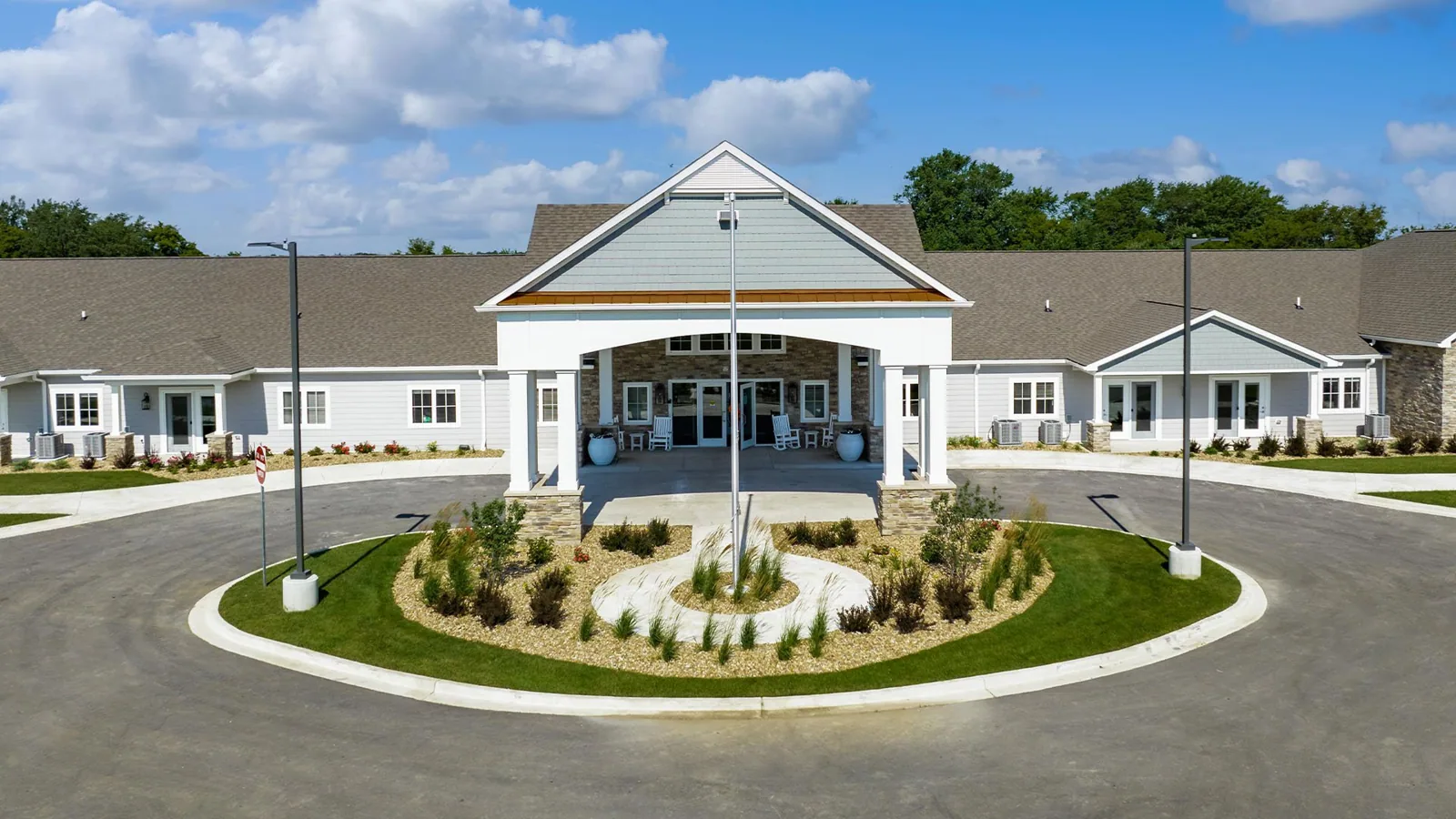
Arrange a senior living roof review
A ceiling mark in a resident room can trigger a maintenance call, a room move and a search for the roof opening. The visible spot may sit below a curb, seam or drain several feet away. We inspect the roof area above and around the report, then coordinate access and protection with the facility contact before recommending a repair.
The parish employer roster includes major care providers and higher-education institutions such as UL Lafayette. Crowley and Rayne are part of that local setting. Downtown Lafayette is another planned mixed-use center in the parish. A senior living property has its own residents, routines and roof conditions, so we plan from the facility’s records and site walk.
Protect rooms and common areas
Resident rooms, dining areas and care spaces need different access arrangements. The administrator or facilities manager identifies rooms that require notice, escort or protection, then sets the contact for any interior check. We keep roof work outside resident routes where possible and confirm any lift, staging or temporary walkway before materials arrive.
If an active leak affects a room, staff handle resident safety and room assignment. We inspect the roof opening, document the affected area and set a repair boundary. For a leak that continues after normal staffing hours, an emergency crew can respond on a night, weekend or holiday. We secure what we can and return for a full inspection when the roof is safe to access.
Occupied-building reroofing can phase work across resident areas. The schedule identifies the roof zone, protection below, noisy work periods and daily closeout. Management remains the source for resident notices and access approvals.
Trace the roof path behind a stain
Water can cross a deck joint or follow framing before it reaches a resident room. We compare the interior report with seams, wall transitions, penetrations and drainage above it. A stain, odor or damp ceiling gives us a place to start, not a confirmed roof entry point. Photos and room labels help keep the inspection tied to the facility’s actual layout.
Staff can tell us when the water appears, whether it follows rainfall and which room or hallway is affected. We also ask about recent HVAC, plumbing or roof work. A mechanical condensate line and a failed membrane detail require different work. We document which findings point toward the roof and what another trade may need to check.
A commercial roof inspection can review the related roof section. When the entry point is confirmed, leak repair can address that detail. We identify the repair limits and any unresolved moisture question.
Keep drains clear above occupied wings
Water may collect above a dining room, care wing or corridor when a drain bowl is blocked or the roof has a low area. We inspect outlets, scuppers, overflows and nearby seams, then note where ponding remains. Long-term airport records identify June as one of Lafayette's wetter months, a seasonal reminder to check outlets before water reaches resident spaces.
Clearing debris is different from correcting a roof plane that holds water. We record whether the outlet is open and whether water still remains nearby. If a curb, wall or seam sits in the ponding area, we inspect that detail as well. The scope separates drain service from membrane work or a slope correction.
Drain and scupper work can address a blocked outlet or damaged fitting. We can map a larger low area and discuss a separate correction if the inspection supports it.
Review roof sections and service routes
A senior living campus may have more than one building and roof assembly. Additions, dining spaces and care wings can differ in age and repair history. We identify the membrane or metal roof on each assigned area, inspect seams and edges, and mark access routes for maintenance staff. One building’s inspection should not stand in for the next.
Managers comparing a care facility with hospital roofing or apartment roofing can use a consistent report layout, while keeping each property’s findings separate. Resident schedules, access needs and roof details determine the plan. We document equipment curbs and walk paths so future visits can find the same locations.
If rooftop equipment is scheduled for service, we coordinate the roofing tie-in with the mechanical vendor. We note whether the equipment path crosses drains or seams and keep those details available for the next maintenance visit.
Compare targeted repair with phased work
A failed pipe boot may need a focused repair. Recurring leaks in separate wings, wet insulation or failing edges can support a larger capital review. We mark each condition by building and roof section, then explain what a repair would leave in place. That lets administrators compare the immediate fix with a broader scope.
Project documents can state access limits, resident notice timing, material staging, work hours, interior protection and daily dry-in. If removal exposes hidden deck or insulation damage, we record the location and follow the owner’s approval path before changing the scope. A phased plan can preserve usable routes while work moves from one roof zone to another.
A commercial roof replacement assessment can review the assembly, insulation, drainage and flashing together. We can provide photos and a roof map for the facility’s maintenance and finance teams.
Keep resident reports connected to roof history
Staff turnover can separate a leak report from the repair that followed it. A useful roof file keeps room labels, dates, photos, repair locations and equipment changes together. We can use building and wing names already familiar to the facility, then note where the roof detail sits above the reported area.
The employer roster also reflects the region’s healthcare presence. Our scope still follows the senior community’s own roof, routines and records.
Call when a stain returns, a clogged outlet or a recent contractor visit has changed the roof. We can inspect the area, record what we find and set out a repair or planning step the facility can use.
In an occupied care setting, roof access and indoor protection deserve the same planning as the repair itself. Identify resident areas below each work zone, routes for crews and materials, and the contact responsible for coordinating notices. When investigating a leak, compare the exterior roof evidence with interior observations without moving through occupied areas unnecessarily. A phased scope can help facilities teams keep critical rooms available while still addressing the roof condition in a controlled sequence.
Questions About Senior Living Roofing
Can residents remain in their rooms during roof repairs?
The facility determines room access and notices. We can define roof zones, work hours and protection needs with management, then limit interior entry to the agreed spaces.
What should staff report when a resident sees a ceiling stain?
Record the room, time, whether it followed rain and any recent service. We compare the report with roof seams, penetrations and drainage, then document the condition that supports a repair.
How are noisy roof tasks handled near care areas?
Management identifies sensitive rooms and quiet periods before scheduling. We place disruptive tasks in agreed windows when practical and report which roof section is active each day.
Does a room move mean the roof needs replacement?
Not by itself. We inspect the related roof area, moisture, seams and repair history, then explain whether a localized correction or broader assessment fits the findings.
What belongs in a senior living roof maintenance file?
Keep building maps, resident-area reports, inspection photos, repairs, equipment work and unresolved conditions together. We can label findings by wing or common area so later visits can compare the same roof zone.