
Commercial Roofing for Insurance and Restoration Work in Lafayette, LA
Home / Industries We Serve / Insurance and Restoration Work
Talk With Our Lafayette Team
Share the property address, event timing and available roof records. We can inspect the affected areas, document conditions and outline emergency or permanent repair work.
Call 555-555-5555
Request a roof damage inspection
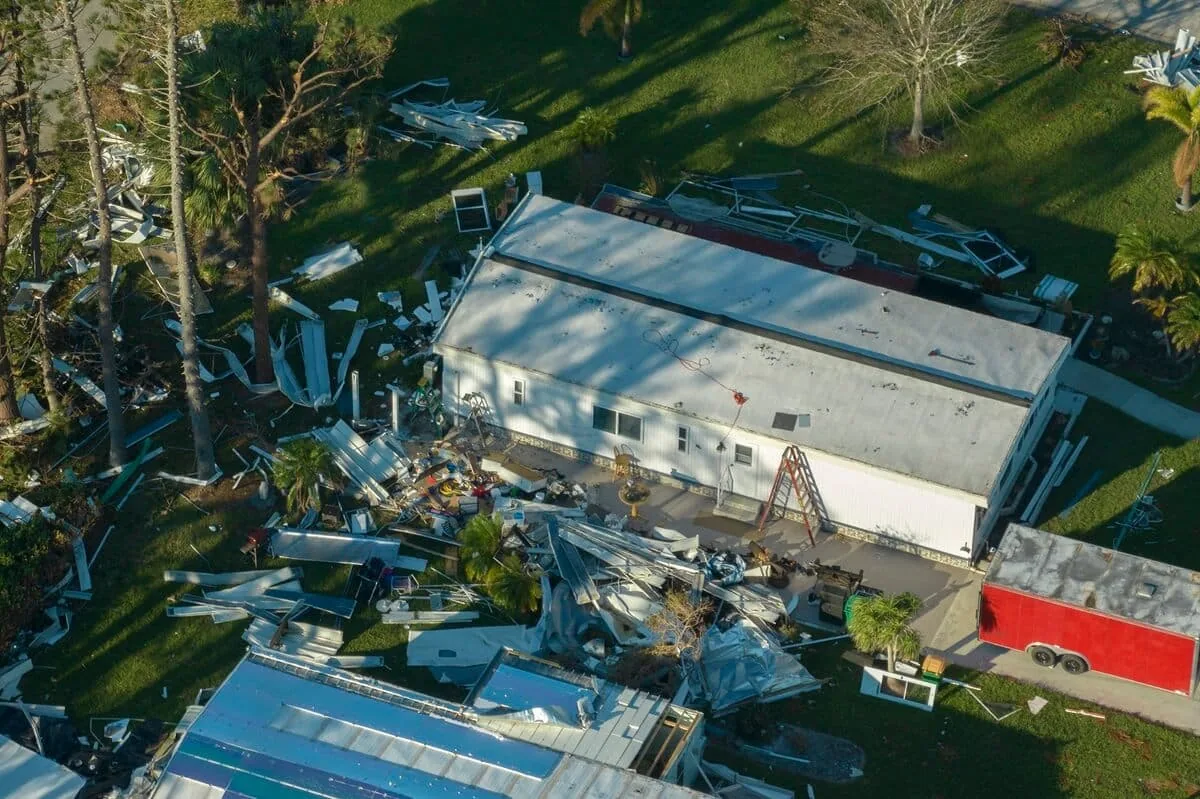
A close-up photo of a puncture may show the damage but not its roof location. A useful restoration record connects the detail to the building, system and surrounding area. We inspect the affected roof, document visible conditions and separate emergency protection from permanent repair. The file can support a clear discussion among the owner, adjuster and restoration team.
Local weather history includes a damaging spring storm near Breaux Bridge, a Lafayette tornado and a Carencro flood. Each claim scope follows the inspected roof and the records available for that property.
Record conditions before repair changes them
At the first visit, we identify the building, roof area, system, access limits and reported event date. Photos show the affected detail with enough surrounding context to find it again. We look at seams, membrane, fasteners, edge metal, flashing, drains and nearby equipment. The report distinguishes visible damage from wear, prior repair or an area that needs more testing.
Lafayette Parish prepares for hurricane season, and the region has recorded several severe-weather events. At the property, we describe impact marks, displaced details and water entry based on the conditions we can inspect.
Storm damage inspection can document affected sections. Hail damage review can distinguish impact evidence from unrelated surface wear.
Keep temporary protection distinct
If water is actively entering, we assess safe access and secure a defined opening when conditions allow. Emergency response is available nights, weekends and holidays. The service record notes what was covered, where water was present and whether a return visit is needed. A temporary tarp or seal should not be described as the permanent repair.
Interior protection is coordinated with the property contact. We note affected rooms, equipment or stored contents without moving items unless the owner authorizes it. If wet insulation or deck damage may extend beyond the visible opening, the report can identify a moisture scan or controlled opening for further review. That follow-up is a separate decision from urgent dry-in.
Emergency roof response can address immediate water entry. A moisture survey may help locate concealed wet areas when conditions support that method.
Separate roof damage from the full repair scope
A documented condition does not by itself set the final repair boundary. We inspect the area around the reported damage to see whether seams, flashing, attachment or drainage also need attention. The scope lists each item, its location and the action proposed. If additional damage is found during tear-off, we photograph it and request direction before work expands.
Repair materials depend on the existing membrane or metal system and the condition of the substrate. A patch should tie into sound material. If water has reached insulation or deck, those areas may need separate removal and replacement. The report notes assumptions about concealed conditions so the owner and claim team can review what remains unknown.
Roof claim documentation can organize photos, inspection findings and repair notes. General contractors can use the same location references when coordinating other restoration trades.
Account for rain and drainage after the event
Airport weather records put Lafayette's yearly precipitation at about sixty inches, with June among its wettest periods. After a storm, drain bowls, scuppers, overflow routes and low areas deserve a close check. A blocked outlet can add interior water even when the reported roof damage is elsewhere. We record the drain condition and distinguish it from a membrane or flashing defect.
When a property lies near a low area, the site record should state where water remained and how long after rain it was observed. We do not infer structural movement from ponding alone. The next step may be cleaning, a roof-plane assessment or further testing depending on what the inspection shows.
Drain and scupper service can correct a defined outlet concern. For a broader loss, we document each separate condition rather than combine drainage and impact work under one label.
Prepare a record that can be reviewed
A claim file is easier to review when each image carries a roof-zone label, date and short description. Include pre-event photos if available, service invoices, prior leak records and notes about temporary work. We can provide the inspection findings and completed repair documentation, while coverage decisions remain with the insurer and policy parties.
Carencro experienced flash flooding in 2012, and a severe-weather event brought hail and tornadoes between Lafayette and Breaux Bridge. Wind, hail and heavy rain can arrive in different combinations, so we inspect the current roof and document its condition.
Carencro and public facility teams are local and project contexts for documented property work. We keep each claim file tied to the actual insured building.
Keep the sequence in one file: report time, inspection time, temporary protection, testing, repair authorization, and closeout. Label each document with the same roof-zone name and date. If a condition appears only after tear-off, attach the photo and approval to the change record rather than revising the original inspection note. That preserves what the first visit could confirm and what later work uncovered. Give the owner a copy of open items with a named contact responsible for follow-up.
Close the repair with the right records
After repair, keep photos of the completed detail, material description, work date, and any area not included. If permanent replacement follows emergency service, connect both visits in the roof history so a future inspection can distinguish temporary protection from completed work. Where a larger section needs renewal, separate repair, testing, and replacement options. Scope drivers include access, tear-off, wet insulation, edge details, equipment, and daily protection. The estimate should state what it includes and what requires owner approval if concealed damage appears after the roof opens.
For a reviewable handoff, put the inspection report, temporary-protection record, repair scope, change approvals, and final photos in one dated sequence. Identify who authorized each change and keep unresolved observations on a follow-up list. Match estimate lines to a photograph or inspection note, using the same roof-zone label in both. If a test is proposed, state the question it should answer and the finding that would change the repair scope. When several trades share the work, name who is responsible for each roof opening and who confirms it is weather-tight at day end. That gives the owner and restoration team a useful record without treating an unconfirmed possibility as a finding.
Call when you need a post-event inspection, emergency securement, or repair documentation. We can inspect the roof, preserve the relevant details, and provide a clear written scope for the next decision.
Questions About Insurance and Restoration Work
What should a roof damage photo show?
Include the defect, nearby seams or edges and a reference to the roof zone or building plan. We can label each image with date and location so the detail can be found during review.
Can you document a roof before emergency protection is installed?
When access is safe, we record the observed condition before covering it. If immediate protection is needed first, we note that step and document the area again during the follow-up inspection.
Does a nearby tornado or hail report prove roof damage?
No. Regional records provide weather context. We inspect the building and describe visible impact, displacement, water entry and any further testing needed.
Can you decide whether an insurer will cover the roof work?
We can document roof conditions and provide repair details, but coverage is determined by the policy and insurer. Our report separates observed findings from the repair scope.
How should temporary work appear in the final file?
List what was secured, when it was done, where it was placed and what permanent work remains. Closeout photos should show the completed repair separately.