Commercial Roofing in Port Barre, LA
Home / Service Areas / Port Barre
Talk With Our Lafayette Team
Share the building, roof concern, and facilities contact. We can inspect the accessible areas and coordinate next steps around the campus requirements.
Call 555-555-5555
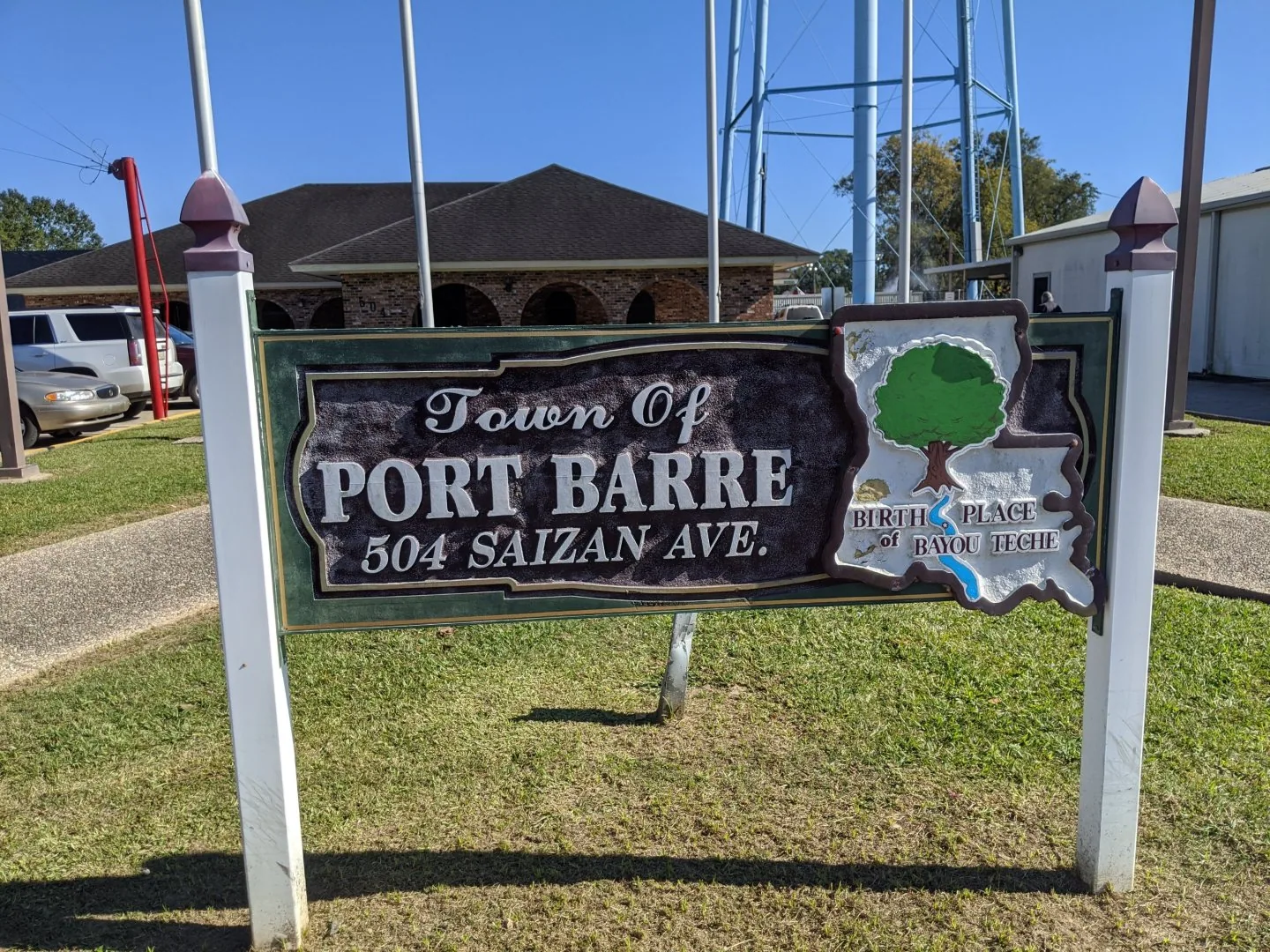
Arrange roof service for the Port Barre Port Barre
Port Barre, LA developed around Bayou Courtableau, timber, rail service, and later highway access. Those are town-wide historical facts, not evidence about any individual building's roof. For a commercial property, we begin with its current use, reported water entry, and access conditions, then inspect seams, drains, penetrations, and edge details. A roof record that names the building and section helps the owner decide whether a localized repair is enough or whether moisture testing and a wider review are warranted.
For Port Barre, retain commercial roof inspection beside the photo of the repaired edge.
Coordinate roof work around occupied spaces
We ask for the reported room, time of the leak, recent weather, and any prior repair records. Then we compare the report with the roof above and around that location. Water may move along a deck flute or beneath insulation before it shows on a ceiling. We inspect drains, seams, curb corners, wall transitions, and prior patches, mapping each issue to a roof zone. If an area cannot be accessed, the report states that limit rather than treating it as clear.
Trace the entry point and protect dry areas
A ceiling mark is the first clue, not necessarily the roof opening. We check the roof area above it and follow the likely route across seams, drains, curb bases, pipe flashings, and wall edges. Sediment trails, lifted laps, split sealant, or a soft area may narrow the search. If more than one room reports water, we map each report separately before deciding that one roof defect explains them all.
Port Barre's development followed Bayou Courtableau, timber activity, railroads, and the opening of a highway route through town. Today, the roofing scope still depends on the building's current assembly, access, drainage, and repair history rather than its age or past use.
For Port Barre, retain drainage repair beside the photo of the repaired edge.
Check penetrations, seams, and rooftop equipment
Medical buildings rely on rooftop systems, and each penetration interrupts the roof membrane. We inspect curb corners, pipe boots, equipment supports, exhaust transitions, and nearby seams for splits, lifted edges, or failed flashing. A curb may be secure while the membrane connection is open, or the reverse may be true. The report keeps those findings separate so the repair addresses the actual defect.
We identify the installed assembly from field details and available records, then match surface preparation and tie-ins to that system. A previous recover or coating can conceal the original layer, and a small test may be needed if that changes product selection. If an opening reveals wet insulation or a deteriorated deck, we photograph the condition and explain the added scope before expanding the repair.
Roof work should not disrupt mechanical service or compromise areas below. We coordinate any rooftop equipment access with the facility representative and clarify which trade handles equipment connections. Our curb and equipment-support roofing work addresses the roof membrane and flashing interfaces. We document any equipment-related restriction so the maintenance team can see what was inspected and what still needs access.
Choose a repair path with the facility team
A single failed seam or flashing can support a localized repair if the surrounding assembly is dry and stable. Recurring leaks or wet insulation across multiple zones can call for broader replacement planning. A recover is an option only after we verify that the existing layers are dry, well attached, and suitable to remain. A recover assessment examines moisture, attachment, and edge conditions before an additional layer is considered.
The Town of Port Barre provides building-permit, public-works, utility, and community-development resources. Before work begins, we confirm who can authorize access and whether a permit or separate trade coordination is needed for the specific project.
For Port Barre, retain replacement planning beside the photo of the repaired edge.
For active water entry, an emergency visit may secure the opening and limit further intrusion. Temporary protection has a boundary and does not confirm concealed materials are dry. We note which area received stabilization and what must happen before permanent work. Scheduling depends on the roof surface and weather, along with any operating restriction identified by the facility contact.
Maintain a clear roof and repair history
The closeout record should identify the building, roof zone, observed material, work completed, photos, and any access limit. We document moisture removed, details repaired, and conditions that could not be verified. A photo tied to a drain, curb, or parapet makes a return visit easier to compare. Those notes can help the facilities team distinguish a new report from a recurring issue at a known roof detail.
Port Barre's municipal services include town government and infrastructure coordination. For roof work, we identify the affected section, materials, and any interior protection needs, then close out with photos and a list of unresolved items.
For Port Barre, retain Crowley beside the photo of the repaired edge.
For Port Barre, retain Ambassador Caffery Parkway corridor beside the photo of the repaired edge.
For Port Barre, retain roof condition report beside the photo of the repaired edge.
For Port Barre commercial buildings, document the roof in sections and connect each finding to the property contact's report. A drain restriction, open seam, or failed flashing can produce similar interior symptoms, so the inspection should trace the water path before recommending a repair. Note the condition after work and identify anything to monitor. This creates a practical handoff for maintenance staff and helps the next visit compare like with like.
Port Barre is a town in St. Landry Parish, with town resources for building permits, public works, utilities, and community development. These contacts can help an owner coordinate a property project; the roofing scope still follows the actual building and roof. Before inspection, we confirm who can authorize access, where materials may be staged, and which areas below need protection.
Port Barre's development around Bayou Courtableau, railroads, timber, and later highway access is part of the town's history. It does not identify the construction of an individual commercial roof. We check the installed assembly, transitions, drainage, and repair history, then state what is confirmed and what needs testing. This keeps a repair plan grounded in the field and gives the owner a useful next step.
After the repair, review the location with the property contact and confirm whether any follow-up inspection remains. If water appeared indoors, record whether the area stayed dry after the next rain rather than assuming one completed patch resolved every possible path. A short update in the roof file gives the next service call a useful starting point.
Questions About Port Barre
How do you plan roofing work at a Port Barre property?
We confirm authorization, roof access, the work area, and any operating limits with the property contact. The inspection then follows the roof assembly and reported condition.
What if a leak appears near rooftop equipment?
We inspect the curb and flashing, nearby seams, and the route water may travel. Equipment location alone does not establish the source, so findings need to be tied to visible roof evidence.
Can infrared imaging confirm wet insulation?
It can identify patterns for closer review, but field confirmation or a selected opening may be needed. We explain the limits and what additional inspection would change.
How do you keep a repair from disrupting the building?
We agree on access, material staging, protection below, and the work window before opening the roof. The sequence depends on the actual repair and conditions found.
What should I share before inspection?
Provide the building location, reported room, leak timing, roof-access contact, past repair notes, and any restricted areas. We verify the roof and document areas we could not reach.