Commercial Roofing Along Breaux Bridge's I-10 and LA 328 Corridor
Home / Service Areas / Commercial Roofing Along Breaux Bridge's I-10 and LA 328 Corridor
Talk With Our Lafayette Team
Share the lot address, roof concern, and site access information. We can inspect the roof and explain the findings and options.
Call 555-555-5555
Arrange service at Breaux Bridge I-10 and LA 328 corridor
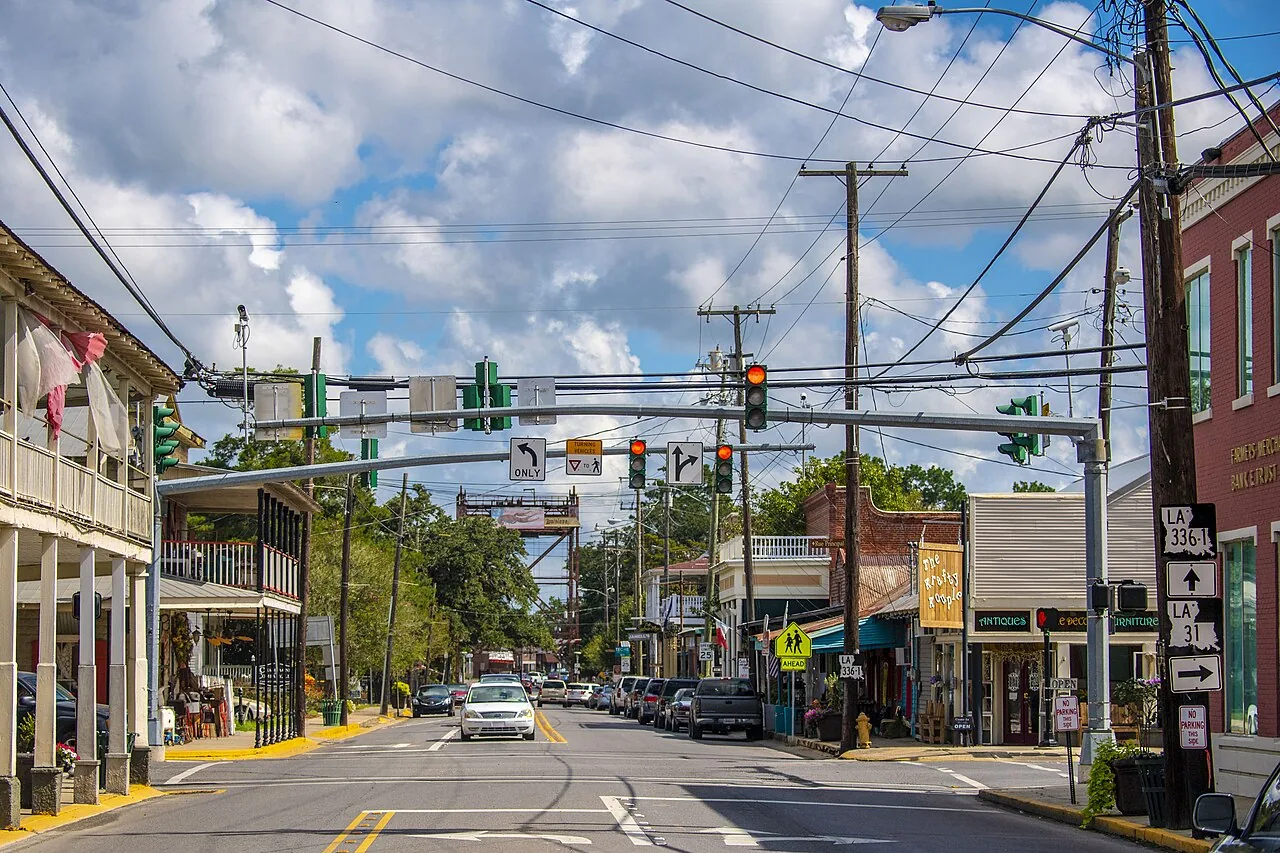
Breaux Bridge’s I-10 and LA 328 commercial corridor includes several properties, not one shared roof. SLEMCO lists the 35-lot Commercial Park East within the city and a separate commercial development farther east along I-10. Those area references help identify the broader service zone, while each building still needs its own roof inspection.
We confirm the property contact and reported roof section, then check the membrane or metal, edges, drainage, penetrations, and visible repair history. If an interior leak is reported, we trace the likely water path before choosing a repair. A commercial roof inspection records the conditions and access limits before work is priced.
Confirm the building and access route
Along the corridor, access can differ from one property to the next. Confirm the specific building or lot, approved entrance, roof access point, and staging area with the property contact. Commercial Park East offers one 35-lot development within Breaux Bridge; the wider I-10 and LA 328 area includes other commercial properties with their own access rules. We do not assume a nearby road or lot boundary provides roof access. For a different regional example, Billeaud Properties along US 90 has its own highway and rail context, so access details still need to be confirmed at each property.
Before mobilizing, ask how deliveries move through the property, what sits below the roof, and whether a lift or ladder is approved. If construction or tenant operations affect the route, the site contact can identify a safe window and areas that must stay clear. A corridor-level service area helps locate the market; the work plan stays tied to the authorized property.
Commercial Park East is a separate 35-lot site in Breaux Bridge. If a caller manages roofs in both the corridor and the park, we confirm the exact property before dispatch and keep each roof map and service record separate.
For properties elsewhere along the corridor, repeat this check with that site’s own contact. A lot number or neighboring business name is not enough to define the roof boundary. Confirm whether the work order covers one structure, an addition, or connected roof sections before measurements begin.
Trace drainage on the inspected roof
Municipal water and sewer serve the property, but rooftop runoff has a separate path that needs inspection. We check drain bowls, scuppers, overflow openings, roof slope, and membrane tie-ins. A blockage can leave debris and water around the outlet. A low area may remain wet even when the drain is open. We compare what we see with the interior report and note whether another seam or penetration could explain the leak.
Lafayette Regional Airport's published climate normals show 60.50 inches of yearly precipitation and 7.08 inches during June. That city climate history supports careful attention to roof runoff. The inspection confirms whether ponding occurs at the property in scope. We inspect the actual outlet and surrounding surface, then identify whether the issue calls for cleaning, a connection repair, or further moisture review. Roof drain service can repair a confirmed detail.
When insulation is wet, we map the likely area before installing a patch. A moisture survey or selective opening may help when it would change how much material comes out. The scope identifies the test purpose, any limits, and the removal boundary. We do not close over soft or saturated layers without addressing the condition.
Inspect rooftop equipment and transitions
Rooftop units, pipes, conduit supports, skylights, and parapets interrupt the roof surface. We inspect the flashing, membrane or metal around each detail and look for open corners, loose fasteners, disturbed sealant, or signs of water tracking below the surface. A nearby service route does not prove a particular curb has failed; we inspect the building named in the work order.
If another trade recently serviced rooftop equipment, compare the date and area with the reported leak. A scuff or displaced support may be unrelated, so the roof detail needs to be checked before assigning cause. The roofing scope can address a confirmed flashing or membrane connection, while mechanical changes remain with the responsible trade. Rooftop curb and support work can address a verified tie-in between equipment and roofing.
Material identification comes first. Welded thermoplastic, EPDM, modified bitumen, coating, and metal each require different preparation. If an earlier recover conceals the original layer, available records or selective testing can clarify compatibility. A repair should tie into secure material rather than stop at the visible edge of a defect.
Choose a repair boundary from the findings
A single opening in dry, secure material may need only local work. Loose attachment, repeated leaks, or moisture across several areas can require removal over a wider section. We consider the roof type, access, height, staging, edge details, interior protection, and concealed layers. Those factors affect cost and duration more than the site acreage. We state what the proposed scope includes and where it could change.
For a broad area of wear, replacement planning can compare removal, insulation, and drainage work. If existing layers are dry and stable, a recover assessment may evaluate an added system. Neither option is presumed by the road corridor or a neighboring property. The roof inspection sets out the supporting evidence.
Emergency service is available at night, on weekends, and on holidays. If water is entering, we first discuss safe access and temporary protection. A temporary cover can limit exposure but does not correct wet insulation or a failed seam. We identify when permanent repairs can be prepared and which parts remain for a return visit.
Keep roof records tied to each property
The closeout should name the property, roof section, material where known, repair performed, and any area that remained uninspected. Photos need a reference point that the property contact can find again. Record temporary protection, moisture removal, and remaining tests separately, so a future service call can distinguish completed work from a follow-up item.
For maintenance, keep the roof map and access contact with inspection notes. A roof condition report can preserve photos, observations, and recommended follow-up. The route references I-10 and LA 328, but repair choices remain tied to the membrane, drainage, and substrate at the inspected building.
To request service, share the property location, access contact, leak area, and any previous repair information. We can inspect the accessible roof, explain whether testing would change the scope, and recommend a next step from what is found. For an isolated opening in sound material, commercial roof repair may be sufficient; recurring failures or wet layers call for a wider review.
Questions About Commercial Roofing Along Breaux Bridge's I-10 and LA 328 Corridor
What area does this service route cover?
It refers to commercial properties along the I-10 and LA 328 area in Breaux Bridge. We confirm the property address and approved roof access before setting a work scope.
Does the 35-lot Commercial Park East listing define every property in the corridor?
No. It is one documented multi-lot park in the broader area. Other buildings have separate ownership, access, roof assemblies, and repair histories.
How do you trace a leak near a drain or equipment curb?
We compare the reported interior area with roof seams, curbs, drains, edges, and prior repairs. Water can travel before it appears indoors, so the stain is a clue rather than the confirmed entry point.
Can work be scheduled around deliveries and site operations?
Yes. The property contact identifies loading windows, staging limits, occupied areas, and any route that must stay clear. We set the repair sequence after confirming roof access and the scope.
When is a test opening useful?
A selective opening can help when concealed layers or moisture would change the repair boundary. We explain the question it will answer, where it would be made, and how the roof will be restored.