
Self-Storage Roofing in Lafayette, LA
Home / Property Types We Roof / Self-Storage Roofing
Talk With Our Lafayette Team
Share the building row, affected unit range and tenant access rules. We will inspect the roof area, document the findings and discuss repair timing with facility management.
Call 555-555-5555
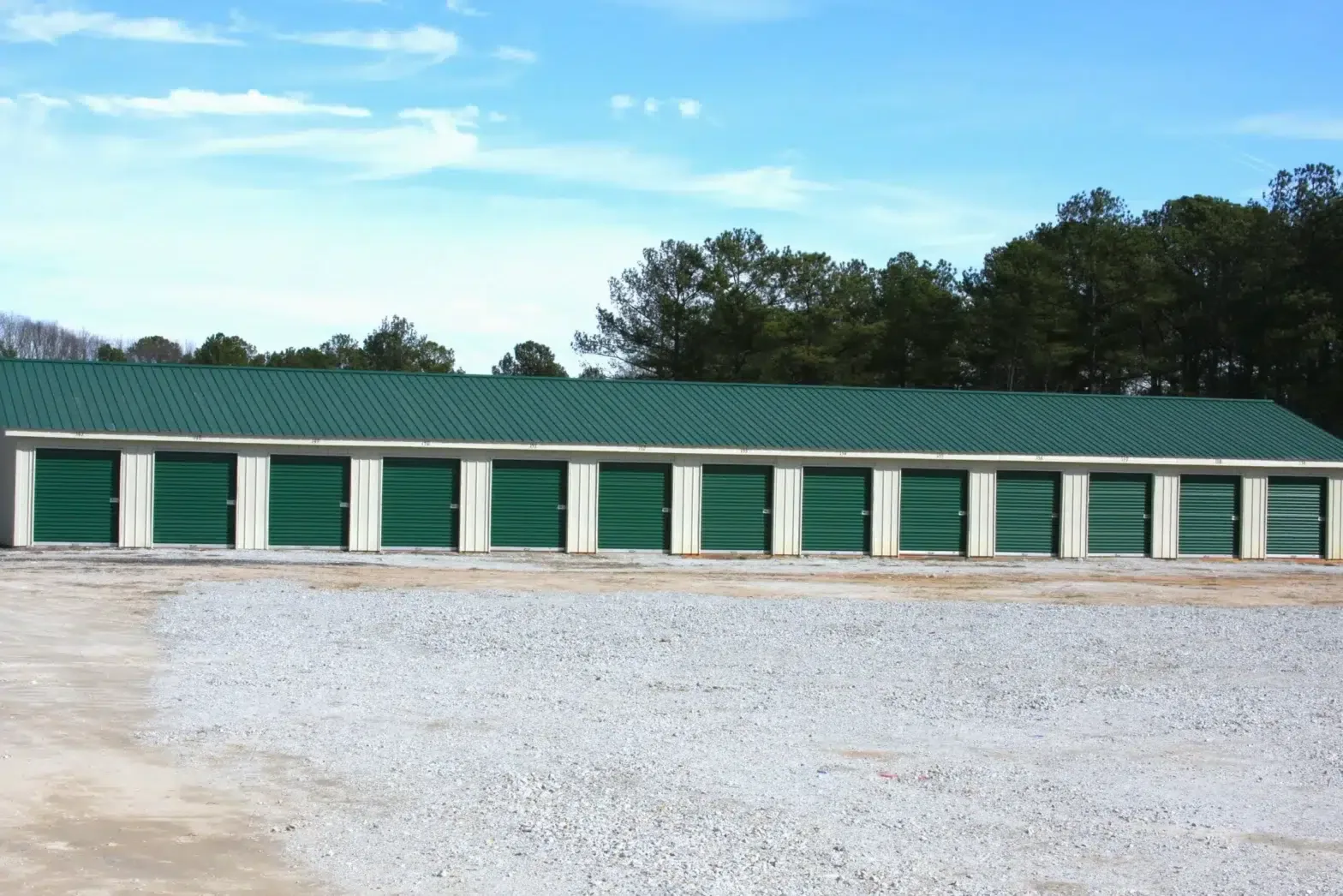
Inspect the self-storage roof
A customer opens a storage unit and finds a damp box near the wall. The stain may have formed under a roof seam, at a fastener or where water crossed a low area. We inspect the roof above the report and map nearby units before setting a repair boundary. The facility manager can use that map to notify affected tenants and protect access.
LEDA identifies Industrial Park and Interstate Park among its four business parks across Lafayette Parish. The US 90 corridor through Broussard carries oil, gas, maintenance and production companies toward I-10. These local business areas provide context for storage and commercial activity, but they do not tell us the building’s roof system or unit layout.
Locate the roof condition by unit
Storage buildings can have long rows of units below a shared roof plane. We ask which unit, wall and ceiling area show moisture, then compare that location with roof seams, penetrations, fasteners and perimeter details. One wet unit may connect to a defect above or water may travel along a panel before it drips. We record the visible condition and any uncertainty.
Stored items vary, so the manager may need to contact tenants before inspection or repair. The facility sets access permission and handles any move or protection inside a unit. We keep the roofing scope limited to the observed roof area and coordinate a time when the tenant route can remain clear.
A commercial roof inspection can evaluate the affected row and nearby details. For a confirmed opening, commercial leak repair can address the entry point and document the units below.
Check panels, seams and roof edges
Some storage buildings use exposed-fastener metal panels, while others have low-slope membrane roofs or different assemblies across additions. We identify the actual system before recommending a patch. On metal, we check panel laps, fastener washers, ridge and eave details, and penetrations. On a membrane, we inspect seams, flashing and terminations. A patch suitable for one roof will not necessarily suit another.
Roof edges and wall joints deserve attention where wind-driven rain can reach a loose flashing detail. Lafayette Parish coordinates hurricane-season preparedness, and the regional weather record includes severe storms. We inspect for visible displacement, open seams and fastener movement before connecting a leak to storm activity. Each roof section needs evidence from its own inspection.
If a larger metal roof needs restoration, roof coating restoration may be reviewed only after checking the existing surface and preparation requirements. A coating does not correct loose panels or a failed fastener pattern.
Keep drive aisles and unit access open
Tenants may arrive throughout the day to retrieve belongings. Lift placement, ladders and material staging should not block unit doors, gate controls or fire access. We review drive aisles, office hours and delivery routes with management before work starts. If a temporary closure is needed, the manager can notify affected tenants with the unit range and timing.
Roof work can be phased across building rows, keeping each open area small and protected. The plan names which units sit below the work, how debris will be controlled and when access returns to normal. We secure the roof at the end of the shift and tell the manager if weather or a hidden condition changes the next day’s sequence.
Occupied-building reroofing can organize work around tenant use. A larger property with loading and inventory concerns may also compare warehouse roof planning and distribution center roofing, while keeping the storage facility’s own access limits in view.
Follow runoff along each building row
A blocked gutter or downspout can send water toward unit doors and foundation edges. We inspect gutters, scuppers, drain bowls and overflow points, then look for low areas or debris that changes the route. Lafayette’s wet climate makes regular outlet checks useful, while the actual roof slope and drainage layout show where attention is needed.
Cleaning a gutter may resolve a blockage, but it will not repair a seam or correct a settled roof plane. We note whether standing water remains after the outlet is clear. If interior moisture appears near a wall, we check edge metal and the roof-to-wall transition as well as the nearest drain.
Drain and scupper work can address an obstructed outlet or damaged fitting. We list any slope correction or membrane repair separately so the owner can see what each item resolves.
Compare a spot repair with building-wide work
A single seam or fastener may need a targeted repair. Similar leaks across several rows, widespread corrosion or repeated patching can justify a broader condition review. We map defects by building and section, then explain which areas remain serviceable and what a local repair would leave in place.
Replacement planning should account for tenant notices, staging, gate access, roof system, insulation and drainage. If removal exposes hidden deck damage, we photograph it and follow the owner’s approval process before increasing the scope. A phased project can prioritize the worst sections while maintaining tenant access on other rows.
A commercial roof replacement assessment can evaluate the full assembly. We include photos and roof-zone references so a manager can share the same findings with ownership and maintenance vendors.
Keep unit reports with roof history
A useful facility record connects tenant reports with unit numbers, building rows, repair dates and roof photos. It should note whether a panel, membrane, fastener or drain was addressed and what follow-up remains. We can use the property’s existing building labels so a future manager can locate the same section without repeating the initial search.
LEDA’s business parks support industrial and commercial development throughout the parish. The Broussard US 90 route links commercial activity toward the I-10 network. Storage properties in the wider market still have different layouts and tenant routines, so we base a maintenance plan on the specific gate, building rows and roof system.
Call when a tenant reports damp contents, a gutter overflows or a contractor has changed a roof detail. We can inspect the area, document what the roof shows and set a practical next step for the facility.
Self-storage properties often have repeated building rows, which makes location labeling essential. Mark each roof section by building or row, record the unit range below an observed leak when it is known, and keep drainage findings separate for each structure. During repairs, protect stored goods and coordinate access with the property manager. This simple organization helps avoid sending a crew to the wrong building when several similar roof lines share the same site.
Questions About Self-Storage Roofing
Should a tenant move belongings before roof repair?
The facility manager decides whether a unit needs to be cleared or protected. We identify the roof work area and notify management which units may be affected, then coordinate access with the tenant contact.
Can roofers work without closing the storage property?
Usually, with controlled staging and a clear drive aisle. We plan the roof phase around gate access, unit doors, fire routes and any tenant notice the manager requires.
Why can water reach a storage unit far from a roof seam?
Water may follow a panel lap, deck joint or framing before it becomes visible inside. We map the unit report to the roof area and inspect nearby seams, fasteners, walls and drainage.
Can a metal roof be coated instead of replaced?
Only if the panels, fasteners, surface and existing coating are suitable for the selected system. We inspect those conditions first; a coating will not correct loose panels or a failed attachment.
When should management consider a full roof review?
Several reports across different rows, recurring repairs or broad surface deterioration can support a wider review. We document each section and compare localized work with the condition of the rest of the building.