Commercial Roofing for Hospitality Groups in Lafayette, LA
Home / Industries We Serve / Hospitality Groups
Talk With Our Lafayette Team
Share the property calendar, affected room or department and current roof records. We can inspect the roof, coordinate access and outline a practical repair or renewal plan.
Call 555-555-5555
Arrange a hospitality roof review
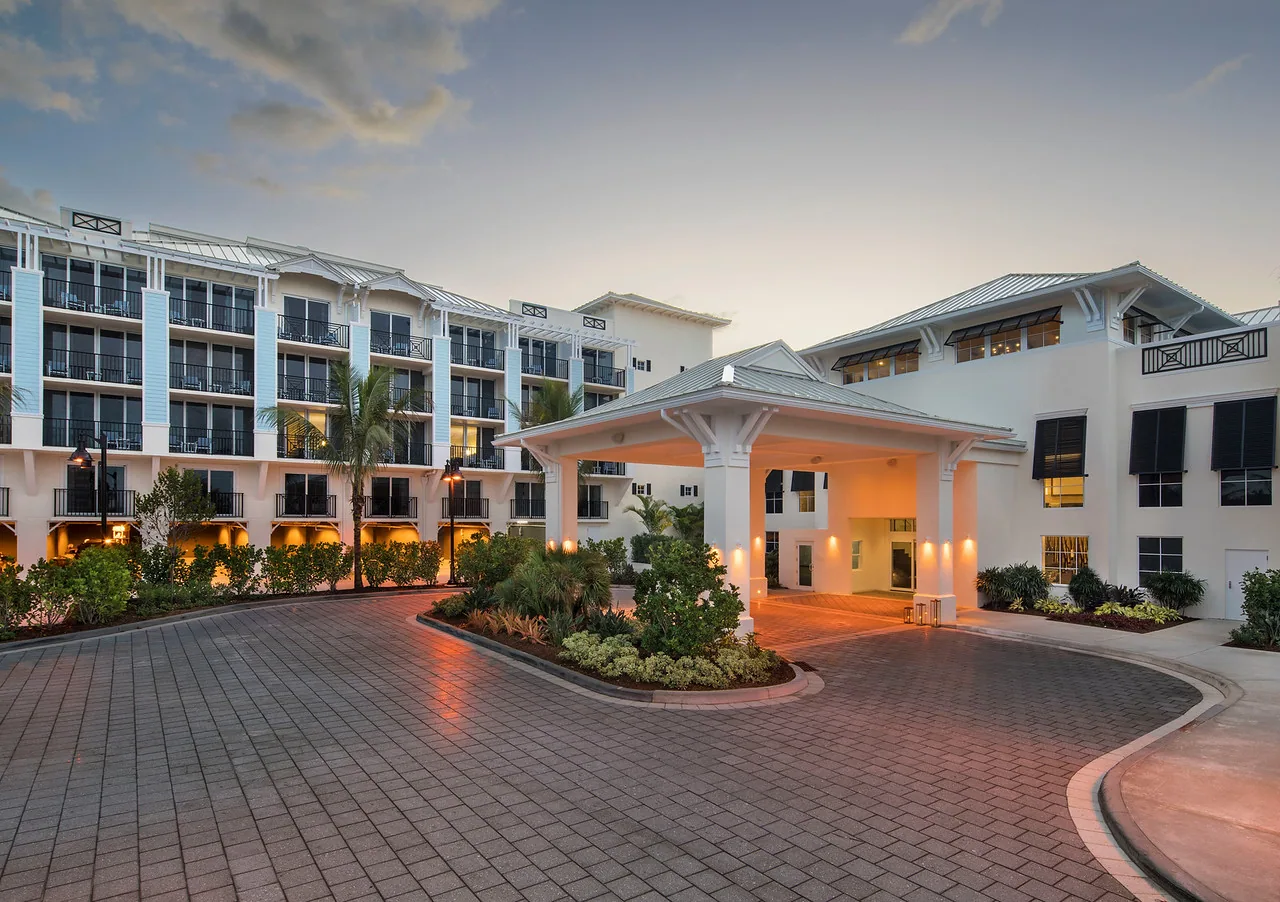
A hotel may have guest rooms above a restaurant, meeting space and service areas under one roof. A leak can reach more than one department before the source is found. We inspect the roof around the report, identify the system and document the affected zone. The property contact can then decide how to protect rooms and schedule repair without treating every roof section as one problem.
The university's research park identifies a Hilton Garden Inn among its facilities and notes a training space used by students. The Cajundome campus also includes an arena and convention center. These are local examples of hospitality and event uses beside other functions; they do not indicate another property's roof details or operating calendar.
Protect guest access during roof work
Before a visit, management identifies guest entrances, service corridors, loading access, quiet periods and rooms below the roof section. We agree where a lift can sit and whether materials can pass through a service area. If work affects a restaurant, pool or meeting room, the property contact sets any short closure and guest notice.
A roof repair can be phased so an open work area stays small and protected. We state when noise occurs, how debris is controlled, what interior protection is needed and how the roof will be secured at the end of each shift. If weather or a hidden condition changes the sequence, we contact management before moving to another section.
Occupied-building reroofing can coordinate those phases. Retail and restaurant operators may have similar public access concerns, with guest services and room turnover specific to hospitality.
Trace water across guest and service areas
A ceiling mark in a corridor may sit below a roof curb, drain or seam several feet away. We check the roof above and around the interior location, then inspect nearby transitions and previous patches. The report notes visible moisture separately from an unconfirmed water path. That distinction helps management protect the right room while the next inspection is arranged.
Hotels may have rooftop HVAC, kitchen exhaust, laundry vents and other mechanical openings. Service work can disturb flashing or leave a curb detail incomplete. We compare recent vendor visits with roof records and coordinate a tie-in when an equipment adjustment is needed. A photo should show both the defect and its place within the roof plan.
Leak repair can address a confirmed opening. If moisture may extend beneath the membrane, infrared moisture review can help locate areas for follow-up testing.
Inspect assemblies before selecting a fix
A hospitality property may have membrane roofs, metal sections or more than one generation of work. We identify the assembly and examine seams, laps, penetrations, drains, edge metal and prior repairs before choosing a compatible material. A coating or overlay only makes sense when the existing surface and moisture condition support it.
Where a large meeting or guest wing shares a roof with back-of-house space, note any separate elevations and drainage paths. A repair in one zone should not conceal a problem in another. If replacement is under consideration, we list the areas included and identify equipment tie-ins, insulation and edge details that affect the scope.
PVC roofing and TPO roofing are among the systems an owner may evaluate. The existing construction, service history and project goals guide selection rather than the hotel category alone.
Watch outlets through Lafayette rain
At Lafayette Regional Airport, the long-term yearly rainfall total reaches 60.5 inches; June accounts for a little over seven inches. We check drains, scuppers, gutters, overflow routes and low areas so water does not remain above occupied rooms. A blocked outlet is different from ponding that persists after the drain is clear, so each finding receives a separate note.
When an outlet backs up, water may travel toward a roof edge or equipment curb. We record the flow path and nearby details before assigning a repair. Clearing debris can restore an outlet; a settled plane or damaged flashing needs another scope. Hotel maintenance teams can use the roof-zone reference to schedule follow-up between high-use periods.
Drain and scupper service can address a defined blockage or fitting. A maintenance log can note the visit date and outlet condition for the next review.
Coordinate around event and meeting use
The Cajundome is a multipurpose arena with an adjacent convention center, and the city identifies those facilities as regional destinations. Hotels and venues may have changing event calendars, so we ask the property contact for actual dates and access limits. We do not assume the calendar at one local venue applies to another site.
Roof work near a ballroom, restaurant or service dock can be planned around deliveries and scheduled functions. Management identifies sensitive areas and the crew gives a clear work-zone update before material staging begins. An inspection can often be arranged without changing guest operations if access and interior checks are coordinated.
The Cajundome and UL Athletic Complex and Opelousas are local references with event and hospitality uses. We keep each hotel's roof report specific to its own building.
Budget repairs by property and room block
A recurring leak may justify a broader assessment if repairs continue across separate areas. We map defects, moisture indicators, insulation concerns and roof age when supported by records. A capital report can separate urgent repairs, monitoring and replacement candidates. It should also state which guest or service areas may be affected during work.
LEDA's parish employer list includes healthcare, higher education, retail, manufacturing, logistics and technology among local building users. Hospitality sites operate alongside those sectors, with their own guest schedules and mechanical demands. We identify the scope, access assumptions, staging and exclusions so ownership can compare projects across its properties.
Replacement assessment can define roof sections, drains and equipment tie-ins. Property managers can carry the resulting records into routine portfolio reviews.
Hotels and lodging properties must coordinate roof access with guest areas, loading, kitchens, and building services. Before work, define where crews enter, how materials move, and which rooms or amenities may need protection below. For leak calls, compare interior reports with roof conditions across the nearest drain and penetration paths. A phased plan lets management keep essential areas operating while setting clear expectations for any restricted zone.
Guest-facing communication should match the actual work zone and schedule. A repair near an entry, kitchen exhaust, or rooftop amenity may need a different sequence than a back-of-house area. Confirm daily cleanup, noise windows, and how the site contact will receive progress updates. Those practical points help management protect the guest experience without obscuring the roof work required.
Questions About Hospitality Groups
Can roof work avoid guest-room closures?
Often, when access, noise and rooms below are planned with the property contact. We define the work area, stage materials through an approved route and coordinate any short-term restrictions.
What should hotel staff do when a ceiling leak appears?
Note the room or department, when water started and whether it is active. Protect guests and equipment as directed by management, then we inspect above the report and map the roof finding.
Can a repair be scheduled between events?
Yes. The hotel provides its event and delivery schedule, and we propose a work window around those dates. Weather, access and concealed conditions can affect the final sequence.
Do you inspect kitchen and HVAC penetrations?
We check flashing, supports and nearby seams around roof equipment. If the unit itself needs adjustment, we coordinate the roofing tie-in with the responsible mechanical vendor.
How do you decide between repair and replacement?
We document the system, moisture, repeated failures and repair history. A localized defect may support a repair, while widespread conditions can justify a broader capital review.