
Commercial Roofing in New Iberia, LA
Home / Service Areas / New Iberia
Talk With Our Lafayette Team
Tell us which suite or roof area is affected and what access limits apply. We can inspect the condition and discuss a repair window.
Call 555-555-5555
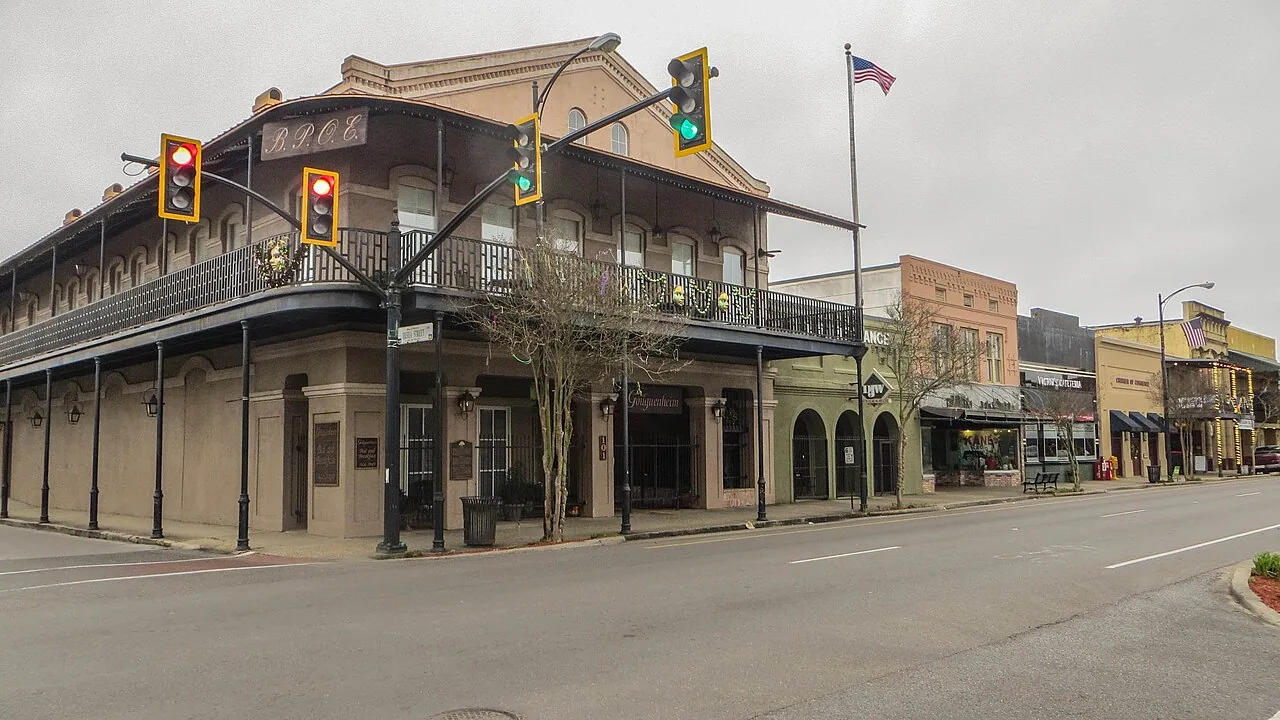
Arrange a roof inspection at New Iberia
New Iberia, LA is working to support existing businesses and plan for new development. A commercial roof inspection should follow the individual building's water path, not assume that nearby properties share one roof system or repair history. We compare the reported interior location with seams, drains, wall transitions, and equipment curbs above it, then mark the area where moisture or attachment needs confirmation. Lafayette's warm, humid climate and heavy rain make drainage and work timing useful considerations across the region, while the inspection determines the condition at the New Iberia property.
Plan the repair around nearby activity
New Iberia's planning and zoning office coordinates review with city departments and utilities as property owners consider development. For roof work, we identify the building and roof section in scope, then keep findings separate from nearby sites with different assemblies or repair histories.
Retail, food service, financial, and professional offices may have different deliveries and customer hours. We ask where vehicles can enter, which paths must remain open, and whether interior protection is needed below the repair. A short seam fix may fit in a smaller window. A repair that opens wet insulation or several transitions needs more coordination and a clear closeout time.
We also confirm who can authorize roof access and what parts of the building can be photographed. A marked roof plan prevents a later service call from relying on a tenant's room description alone. If more than one suite reports water, we keep the reports separate and compare each one with roof details above the space.
Follow the water route above each suite
A ceiling stain may appear away from the seam or curb where water entered. We compare the room reported by a tenant with roof drains, wall transitions, penetrations, and low areas above it. We inspect the drain bowl and membrane connection, then look for sediment, debris, displaced flashing, open laps, or lifted patches. The condition found in the field sets the repair boundary.
When water reaches insulation, a surface patch can leave wet material below. We document any soft board or moisture found when the assembly is opened. If the wet area extends beyond one detail, we show the proposed removal limit and how new layers will connect to sound material. A photo record gives the property contact a clearer view of what the repair includes.
Inspect the transitions around rooftop equipment
Curbs, pipes, vents, parapets, and equipment supports break the roof plane. We check flashing corners, membrane seams, metal edges, and sealant joints around those details. A lifted corner may continue beneath the visible edge. We follow the transition to see whether the substrate remains sound and whether a patch can extend beyond the damaged material.
Different roof materials require different repair preparation. We confirm whether the roof is TPO, PVC, EPDM, asphaltic, or metal from records and field details. A coating or older recover can hide a layer, so we state what can be verified before selecting a patch. If access to a penetration is restricted, we mark it for a follow-up inspection rather than include it as completed work.
Maintenance contractors may visit the roof to reach equipment. We compare the service history with any cuts, displaced fasteners, or scuffs, then document what is observable. If a curb detail needs roofing work, curb and equipment-support service can address the membrane connection. The equipment trade handles its own mechanical connections.
Set the repair scope before opening the assembly
One failed seam or flashing may be localized if the surrounding membrane and insulation are sound. Recurring leaks, wet layers, or separation across a wider section may require more removal. Material type, affected area, roof height, tenant hours, event timing, interior protection, and staging affect the cost and duration. We describe these drivers before work begins.
A recover may be considered when the existing roof is dry and suitably attached. If moisture or deck damage is present, removal and replacement may be more useful. Our recover evaluation checks the existing layers and moisture. Replacement planning can compare roof history, drainage, insulation, and the work window.
For active water entry after hours, we can respond overnight, on weekends, and on holidays. A first visit may secure an opening and limit interior exposure. The permanent repair follows when the surface is ready and the material is confirmed. We explain the limits of temporary protection and note any area that needs a return visit.
Keep tenant reports tied to roof locations
The closeout file pairs the affected suite or room with the roof zone, material found, work completed, and any moisture removal. Photos include a reference point. We list access limits, concealed conditions, and items to revisit after the next storm so future reports can be compared with this service record.
When requesting service, share the suite or building area, reported leak, prior repair information, and any upcoming event or delivery restrictions. We can inspect the roof, document the path, and discuss a repair window that fits the property.
In New Iberia, plan roof work around the building's access and occupancy conditions, then use a roof map to keep findings tied to the right section. Check drains and interior water reports together, but do not assume the visible stain sits directly below the opening. Where additions meet older roof areas, inspect the transition and record the materials before specifying a repair. This produces a practical scope that can be reviewed by an owner or facilities contact.
New Iberia's planning and zoning office coordinates review with city departments and utilities as businesses and property owners consider development. That process is separate from a roof diagnosis, but project contacts can help align access, staging, and permits. We identify the building and roof section in scope, then document each observation separately from other properties.
When several suites share a roof, the owner should keep leak reports tied to the correct room and building. We compare those reports with drainage, seams, and penetrations above them, while noting any section that could not be inspected. This record supports a focused repair now and gives the next service call a clear starting point.
When owners manage roofs in both New Iberia and Jeanerette, separate roof maps, access contacts, and work histories keep each building’s inspection decisions clear.
Erath falls in Vermilion Parish, outside Iberia Parish. A roof in Erath therefore needs its own access notes, inspection findings, and service record.
Questions About New Iberia
How do you plan roof work in New Iberia?
We identify the building and roof section, review access and operating hours, and connect the reported interior condition to visible roof details. For multi-tenant properties, we keep each report tied to the correct suite and structure.
Can you schedule around deliveries or customer traffic?
Yes. Tell us which entrances and drive paths need to remain open, and whether staging must happen at a certain time. We build the work sequence around the confirmed roof scope.
How do you decide whether a recover is appropriate?
We first check whether the existing roof is dry, attached, and suitable to receive another layer. Wet insulation, deck damage, or unstable materials can make removal a better option.
Will you protect the interior during repair?
We discuss the occupied areas below the work, where protection is needed, and how open sections will be secured. The scope should state what is protected and what temporary measures can accomplish.
What should I include in a service request?
Share the property or suite, affected room, leak timing, prior work, roof-access contact, and any delivery or work-hour restrictions. A roof plan or photos can help us prepare.